Managing waste efficiently is a major concern for businesses of all sizes. Accumulated junk not only occupies valuable space but also creates safety hazards, impairs productivity, and can negatively affect a company’s image. Many businesses already understand the principles of residential junk removal, but commercial waste often presents different challenges due to larger volumes, heavier items, and compliance requirements. Adopting a cost-effective approach to junk removal ensures that business operations remain smooth while minimizing unnecessary expenses. Partnering with professional junk removal services can help businesses handle their waste responsibly, maintain a clean working environment, and improve overall efficiency. Businesses that prioritize proper disposal of old furniture, office equipment, electronics, and packaging materials can significantly reduce clutter, prevent hazards, and optimize operational spaces. Understanding how to manage commercial junk removal effectively is essential for maintaining both a professional environment and financial prudence.
Identifying Business Waste Sources
The first step in implementing a cost-effective junk removal strategy is identifying where waste originates within a business. Unlike residential junk removal, which typically involves clearing household items, businesses produce waste from multiple sources. Offices generate paper, cardboard, and outdated electronics, while warehouses and retail stores produce packaging materials, pallets, and broken equipment. Even breakrooms and storage areas can accumulate clutter over time, including old furniture, office supplies, and unused inventory. Conducting a thorough assessment of the types and volume of waste is essential for planning removal schedules and determining the resources required. Identifying waste sources also allows businesses to target high-traffic areas for regular cleanup, reducing the accumulation of unnecessary items. Once the sources are identified, companies can implement proper disposal practices, separate recyclable materials, and coordinate pickups with professional junk removal services. Understanding where junk accumulates enables businesses to prioritize efficiency, prevent clutter, and minimize disposal costs while maintaining compliance with local regulations.
Planning Regular Junk Removal Schedules
Efficient junk removal requires careful scheduling to prevent accumulation and maintain a safe, organized workspace. Businesses should determine the frequency of pickups based on the volume of waste generated and the size of the facility. Unlike residential junk removal, commercial operations often require weekly or even daily services depending on operational demands. Scheduling regular removal ensures that clutter does not interfere with employee productivity or customer experiences. It also minimizes risks associated with overflowing waste, such as fire hazards, trip and fall accidents, or pest infestations. By planning ahead, companies can coordinate with professional services to secure optimal pickup times, reducing disruption to normal business activities. Proper scheduling also allows for cost management by avoiding emergency removal services, which tend to be more expensive. Additionally, it encourages a culture of cleanliness and responsibility among staff, who will be more likely to maintain organized work areas knowing that junk removal occurs on a predictable basis. Regular schedules create a systematic approach to waste management, improve operational efficiency, and demonstrate a business’s commitment to maintaining a professional and safe environment.
Categorizing Waste for Efficiency
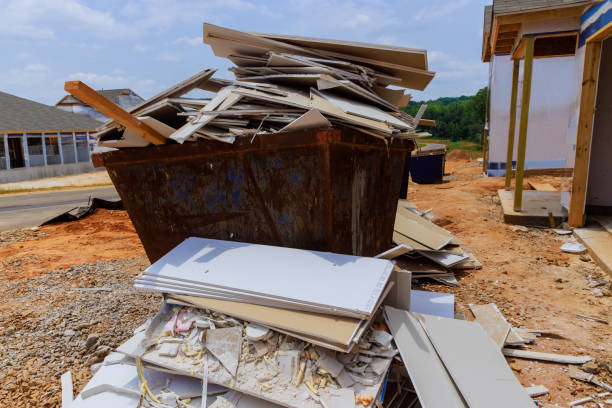
Proper categorization of business waste is critical for cost-effective junk removal. Unlike residential junk removal, where waste is generally mixed together, commercial waste includes a variety of materials, from paper and cardboard to electronics, furniture, and hazardous items. Sorting waste into categories such as recyclables, non-recyclables, and hazardous materials streamlines disposal and ensures compliance with environmental regulations. Recycling materials like cardboard, metals, and plastics reduces the volume of waste sent to landfills and can even generate savings through recycling programs. Hazardous items, including batteries, chemicals, or electronic devices, require careful handling by trained professionals. Implementing labeled bins and clearly defined disposal zones ensures staff participation and prevents accidental contamination of recyclable materials. Proper categorization also allows businesses to track waste generation patterns, identify opportunities for reduction, and optimize pickup schedules. By organizing waste effectively, businesses can improve operational efficiency, reduce costs associated with improper disposal, and create a safer, cleaner workspace. A systematic approach to sorting ensures that commercial junk removal is both cost-effective and environmentally responsible.
Partnering with Professional Junk Removal Services
Working with professional junk removal services is essential for businesses aiming to manage waste efficiently. Unlike residential junk removal, commercial operations often deal with larger, heavier, or hazardous materials that require specialized handling. Licensed professionals have the expertise, equipment, and permits to safely transport and dispose of these items in compliance with local regulations. Partnering with a trusted service provider not only ensures proper disposal but also allows businesses to focus on their core operations without the stress of handling bulky waste. These services often offer flexible scheduling options, accommodating different operational needs, and ensuring minimal disruption to daily activities. They can also assist in recycling, donating, or responsibly discarding items, further supporting sustainability efforts. Choosing the right partner involves checking certifications, reviewing safety protocols, and confirming that they comply with environmental standards. A reliable junk removal service enhances workplace efficiency, mitigates risks, and contributes to a professional business image. Businesses benefit from cost-effective, organized, and environmentally conscious waste management solutions, reducing liabilities and improving overall operational workflow.
Implementing Recycling Initiatives
Recycling is a key element of cost-effective commercial junk removal. Businesses produce substantial quantities of recyclable materials, including paper, cardboard, plastics, and metals. Implementing structured recycling initiatives reduces the amount of waste sent to landfills, lowers disposal costs, and supports environmental sustainability. Unlike residential junk removal, commercial recycling requires larger containers, designated areas, and regular coordination with certified recycling centers. Educating staff on proper sorting, handling, and disposal ensures compliance and prevents contamination of recyclable streams. Businesses can also monitor recycling patterns to identify areas for improvement and maximize efficiency. Many local governments provide incentives or tax benefits for businesses actively participating in recycling programs. These initiatives not only demonstrate corporate responsibility but also enhance a company’s public image. By incorporating recycling programs into commercial waste management plans, businesses can achieve long-term savings, maintain cleaner workspaces, and contribute positively to the environment. Structured recycling also allows for consistent planning, easier scheduling of junk removal, and a reduction in overall disposal expenses.
Handling Large and Bulky Items
Large and bulky items, such as office furniture, industrial equipment, and storage units, pose unique challenges for commercial junk removal. Unlike residential junk removal, which typically involves smaller, lighter items, businesses often require specialized tools, vehicles, and personnel to manage these materials safely. Improper handling of bulky items can result in workplace injuries, damage to property, or increased disposal costs. Professional junk removal services are equipped to handle these items efficiently, providing manpower, lifting equipment, and vehicles suitable for transporting oversized materials. Additionally, some items may be eligible for recycling or repurposing, further reducing costs and environmental impact. Businesses should identify bulky items regularly and schedule removal before they accumulate and obstruct operational spaces. Proper planning ensures minimal disruption to staff and clients while maintaining a clean and functional workplace. By addressing large items promptly and professionally, businesses can optimize their office space, reduce potential safety hazards, and achieve cost savings through efficient junk removal practices.
Managing Hazardous Materials
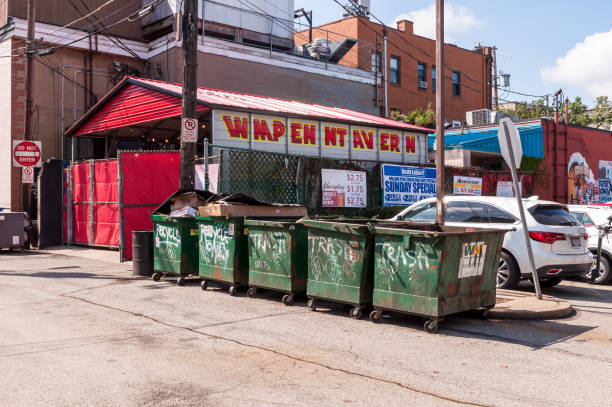
Commercial facilities often generate hazardous materials, including batteries, chemicals, electronics, and cleaning agents, which require careful handling. Unlike residential junk removal, these items cannot be disposed of in standard municipal bins. Proper management includes labeling, storing in secure areas, and scheduling disposal with licensed professionals trained in handling hazardous waste. Failure to manage hazardous materials correctly can result in legal fines, environmental damage, and workplace safety risks. Staff should receive training on handling and segregating these materials to prevent accidents and ensure compliance. Partnering with professional junk removal companies that specialize in hazardous waste management ensures that items are transported and disposed of according to regulations. Regular audits and monitoring help businesses maintain accurate records of hazardous waste, reducing liability and supporting sustainability goals. Efficient hazardous waste management contributes to a safer workplace, protects employees and the community, and upholds the organization’s reputation for responsible operations.
Streamlining Pickup and Scheduling
Streamlined pickup and scheduling are essential to maintain an organized business environment. Establishing a regular junk removal schedule prevents clutter from accumulating and interfering with operations. Unlike residential junk removal, commercial facilities may generate waste at varying volumes and types, necessitating a flexible schedule that aligns with operational needs. Scheduling regular pickups allows businesses to allocate space for temporary storage, avoid emergency removal fees, and ensure compliance with local regulations. Coordinating with professional junk removal services ensures efficiency, reduces downtime, and keeps workspaces clean and functional. Businesses can optimize schedules based on patterns of waste generation, seasonal needs, or special projects, minimizing disruptions and improving productivity. Streamlined pickup procedures also enhance safety by preventing overcrowded storage areas and reducing risks associated with blocked pathways or improperly stored materials. A systematic scheduling approach helps maintain a professional and organized environment while ensuring cost-effective waste management.
Training Staff for Efficient Waste Management
Proper employee training is a cornerstone of cost-effective junk removal. Staff should understand the procedures for sorting, handling, and disposing of both regular and hazardous materials. Unlike residential junk removal, commercial waste involves larger volumes, heavier items, and potentially dangerous substances, requiring knowledge and care. Training programs should include instructions on recycling, segregation, proper use of disposal areas, and safe handling of bulky or hazardous items. Regular refreshers ensure that staff remain aware of updated regulations and internal procedures. Educating employees not only promotes workplace safety but also ensures that the junk removal process is efficient and compliant. Trained employees contribute to smoother operations, reduce errors in disposal, and help maintain a professional, organized environment. Encouraging staff to actively participate in waste reduction initiatives strengthens sustainability practices and reinforces the company’s commitment to responsible business operations. Effective training leads to better cost management, enhanced compliance, and a safer workplace for all.
Conclusion
Cost-effective junk removal is essential for maintaining a safe, organized, and efficient business environment. By implementing strategies such as waste categorization, recycling programs, handling bulky and hazardous materials, staff training, and proactive waste reduction, businesses can reduce clutter, enhance productivity, and lower disposal costs. Proper scheduling and partnering with professional junk removal services further ensure smooth operations and compliance with local regulations. For businesses in Roseville seeking reliable support, Clifford’s Junk Removal provides professional services for both commercial and residential junk removal. Our experienced team handles all types of waste safely and efficiently, offering flexible scheduling and environmentally responsible disposal. Keep your workspace clean, organized, and compliant while saving time and costs. Contact Clifford’s Junk Removal today at 19162323588 to schedule a consultation or service and experience hassle-free, cost-effective junk removal for your business.