Shed demolition begins with careful planning, ensuring the structure is removed efficiently without causing damage to surrounding areas. The first step involves clearing out all contents, from garden tools to leftover materials, creating a safe environment for demolition. Knowing the shed’s construction type—wood, metal, or plastic—guides the selection of proper tools and techniques. Safety measures, including gloves, protective eyewear, and sturdy footwear, are essential to prevent accidents during the process.
A structured approach reduces unexpected challenges, like hidden nails or unstable supports. Evaluating the surrounding landscape helps determine how debris will be handled, ensuring minimal disruption to the yard. Planning ahead also involves considering local disposal regulations, which protect both the environment and your property. A meticulous preparation phase saves time, reduces risk, and ensures the demolition process proceeds smoothly from start to finish.
Tools and Equipment Needed for Efficient Shed Demolition
Choosing the right tools for shed demolition can make the task faster, safer, and less physically taxing. Common tools include hammers, crowbars, saws, drills, and safety equipment like gloves and helmets. For larger or metal sheds, specialized tools such as reciprocating saws or bolt cutters may be required. Renting equipment may be a cost-effective option, especially for one-time projects, as it reduces the need for storage after the demolition is complete.
Proper equipment use not only speeds up the process but also prevents damage to nearby structures and minimizes injuries. Ensuring tools are in good condition and used according to manufacturer guidelines improves efficiency. Incorporating additional support systems like scaffolding or temporary braces can stabilize the structure during demolition. These preparations guarantee the work proceeds in an organized, controlled manner, keeping safety and efficiency as the top priorities.
Step by Step Shed Demolition Process
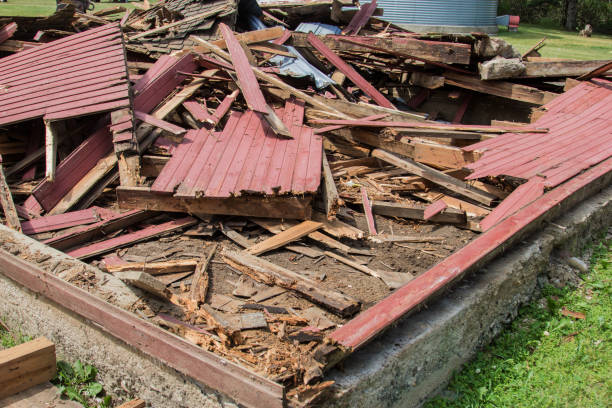
A step-by-step approach to shed demolition ensures the task is manageable and reduces the likelihood of accidents. The first stage involves emptying the shed entirely and removing loose debris. Next, identify and disconnect utilities if present, such as electricity or water connections, to avoid hazards. Structural dismantling typically begins with roof removal, followed by wall panels, and finally the foundation. Using systematic sequencing minimizes unexpected collapses and keeps the site organized.
Proper debris management is crucial throughout the process, as it allows easy sorting for recycling or disposal. Taking time to label and separate materials increases the chance that salvageable items can be reused, reducing waste. Following a methodical approach ensures no steps are skipped, and the demolition progresses efficiently. By breaking the project into manageable stages, the task becomes safer, quicker, and more cost-effective.
Safety Precautions for Shed Demolition
Safety is a cornerstone of any demolition project, particularly when dealing with potentially unstable structures. Protective gear such as helmets, gloves, goggles, and steel-toed boots shields workers from injuries caused by falling debris, nails, and splintered wood. Creating a clear work zone and keeping onlookers at a safe distance minimizes risks to others. For sheds with electrical or plumbing lines, disconnecting these utilities is a critical precaution that prevents serious accidents.
Inspecting the shed for hazards like mold, asbestos, or weakened supports is also essential. Using proper lifting techniques and avoiding overexertion protects the body during heavy demolition tasks. Safety signage and caution barriers can further ensure the work site remains secure. By prioritizing safety at every stage, the demolition process not only protects workers but also safeguards the surrounding property and environment.
Recycling and Disposal Strategies for Shed Materials
Demolition doesn’t have to mean unnecessary waste. Many shed components, such as wood, metal, and certain plastics, can be recycled or repurposed. Sorting materials as they are dismantled reduces landfill contributions and allows valuable resources to be reused. Local recycling centers or scrap yards can often accept metals and treated lumber, while untreated wood may be repurposed for garden projects or firewood.
Planning for debris disposal in advance reduces clutter and speeds up cleanup. Using labeled containers or designated piles for each material type maintains order and ensures compliance with local waste management regulations. Eco-conscious disposal not only benefits the environment but can also lower costs associated with hauling. Incorporating sustainable practices into shed demolition adds value, aligning the project with modern environmental standards.
Challenges and Solutions in Shed Demolition
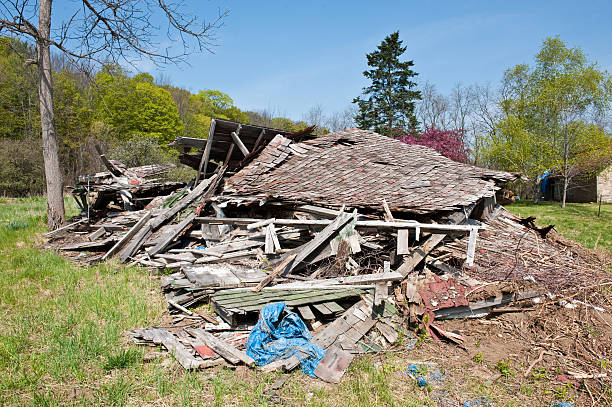
Even the demolition of a small shed can present unexpected hurdles that, if unanticipated, can complicate the process. Uneven terrain may make maneuvering equipment difficult, while hidden fasteners such as nails, screws, or brackets can slow progress and create potential hazards. Deteriorated materials, including rotted wood or rusted metal, may collapse unexpectedly if not handled carefully. Planning for contingencies is essential, and this can include renting specialized equipment, securing extra manpower, or having alternative tools on hand. Flexibility in approach allows you to adapt as obstacles arise without compromising safety or efficiency, and it prevents minor setbacks from turning into major delays.
A proactive assessment of the shed’s structure before demolition helps identify weak points, including unstable walls, compromised roofing, or uneven foundations. Using proper dismantling techniques, such as removing sections systematically instead of pulling apart the structure, keeps the process controlled and reduces the risk of injury. A clear debris management plan is equally important; separating materials by type, preparing containers, and scheduling disposal ahead of time allows obstacles to be addressed immediately. Additionally, planning the sequence of work, including roof removal, wall deconstruction, and foundation clearing, ensures a smoother workflow. Addressing potential problems before they occur, from unforeseen obstructions to hazardous materials, ensures the project moves forward safely and efficiently while preventing costly mistakes or damage to surrounding property.
Cost Considerations for Shed Demolition
The cost of shed demolition depends on a variety of factors, including the size and type of shed, construction materials, location, and disposal requirements. Labor is a primary expense, particularly for larger sheds or those with complex structures. Equipment rentals, such as saws, crowbars, and safety gear, add to the total cost, as do waste hauling and disposal fees. Planning ahead is critical for controlling these costs. Properly sorting materials, ensuring tools are available, and scheduling any specialized services efficiently can prevent unnecessary expenses. Small DIY projects may be affordable, requiring only basic hand tools, whereas larger or more complex structures often benefit from professional services to save time, reduce physical strain, and ensure safety.
Understanding cost drivers helps identify potential savings. Salvaging reusable wood, metal, or plastic components can reduce disposal fees significantly, while hiring a full-service demolition company may consolidate labor, equipment, and hauling into a single predictable cost. Additionally, factoring in local permits, utility disconnections, and debris recycling prevents unexpected charges. By budgeting carefully and planning each stage of the project, homeowners can complete shed demolition efficiently while minimizing financial strain. Investing in preparation, research, and proper resource allocation ensures that the demolition is executed smoothly, without surprises, while maintaining safety and efficiency throughout the process.
Hiring Professional Shed Demolition Services
Hiring a professional demolition service offers numerous benefits that go beyond simply removing a shed. Experienced teams bring the right equipment, expertise, and manpower to complete projects efficiently, often accomplishing in hours what could take days for a homeowner. Professionals can handle heavy lifting, complex dismantling, and hazardous material removal safely, reducing both physical strain and liability. They are trained to anticipate and prevent accidents, ensuring the site remains secure while the demolition is underway. Using a professional service also eliminates the stress of managing multiple aspects of the project, allowing homeowners to focus on other priorities without compromising the quality or safety of the work.
In addition, professional services often include debris hauling and disposal, which saves time and ensures compliance with local regulations. Their understanding of zoning, permits, and recycling requirements ensures the project follows legal and environmental standards. By outsourcing demolition to a trusted company, homeowners gain peace of mind knowing the job is executed efficiently, safely, and responsibly. When considering the investment, the combination of speed, reduced labor demands, and professional expertise often proves more cost-effective than attempting a DIY approach. Engaging experts provides a comprehensive solution that maximizes efficiency while minimizing risk, effort, and stress.
Environmental Implications of Shed Demolition
Shed demolition can have a considerable impact on the environment, but careful planning and sustainable practices can minimize negative effects. One of the most significant environmental considerations is material disposal. Properly sorting and recycling wood, metal, and plastic reduces the amount of debris sent to landfills, conserving natural resources. Avoiding hazardous chemicals, such as treated wood, paint, or adhesives, prevents soil and water contamination. Salvaging components for reuse in other projects not only reduces waste but also lowers the overall carbon footprint of the demolition process, contributing to environmentally responsible construction practices.
Partnering with services that prioritize eco-friendly disposal ensures that materials are processed responsibly. Metals, plastics, and untreated wood can often be recycled or repurposed, while hazardous materials are safely managed in accordance with environmental regulations. Minimizing environmental impact not only benefits the planet but also enhances the long-term value of the project, reflecting a commitment to sustainability. Thoughtful planning allows homeowners to approach shed demolition responsibly, balancing efficiency with ecological consciousness. Awareness of these considerations ensures that the project is executed in a way that reduces waste, promotes recycling, and leaves a positive environmental footprint while completing the necessary demolition work.
Planning for Post-Demolition Landscaping
After a shed is removed, the cleared area presents a unique opportunity to reshape the landscape and create functional or aesthetically pleasing outdoor space. Leveling the ground and removing debris ensures a smooth foundation for gardens, patios, or new structures. Preparing soil, planting grass, or adding decorative elements transforms the space into an organized, usable, and visually appealing area. Considering the natural topography and drainage patterns prevents issues such as water pooling or soil erosion in the future. Post-demolition landscaping allows homeowners to maximize the potential of the newly available space creatively and efficiently.
When designing the area, factors like sunlight, plant selection, and accessibility should be considered. Choosing appropriate vegetation ensures healthy growth and long-term durability, while planning functional layouts maximizes the usefulness of the space. Whether the goal is a serene garden retreat, a practical storage area, or an extension of outdoor living space, careful preparation is key. Thoughtful landscaping elevates the impact of demolition beyond mere removal, transforming the cleared area into a fresh, functional, and inviting environment that enhances the overall appeal and value of the property.
Conclusion
Shed demolition is a multifaceted process that requires careful planning, safety measures, and strategic execution. Understanding the materials involved, selecting the right tools, and considering recycling and environmental impact are essential for an efficient and responsible project. Whether you’re a DIY enthusiast or looking for professional assistance, following a structured approach helps minimize risks and achieve the best results. Proper planning ensures the demolition is smooth, safe, and eco-conscious, turning what could be a challenging task into a manageable and organized project.
For professional shed demolition and junk removal services in Roseville, CA, contact Clifford’s Junk Removal at 916-232-3588. Their team provides reliable, efficient, and environmentally responsible service for all your demolition and hauling needs.