
Every gadget you discard without care carries a hidden story: beneath that smartphone screen or laptop shell lies heavy metals, rare earth elements, and plastics that can linger in landfills for decades. When we casually toss away our tablets, monitors or printers, we’re inviting pollution, resource waste and missed opportunities for reuse. Choosing to properly dispose of your electronic waste means acknowledging that every device has both value and risk.
Taking action to dispose of e‑waste responsibly isn’t just morally sound—it’s practical. Recycling electronics prevents harmful substances such as lead and mercury from seeping into soil and water, reduces the need to mine new materials, and supports the circular economy. In short: letting your old electronics rot in the trash isn’t just lazy—it’s harmful. By being mindful about disposal, you’re playing a part in a larger environmental story.
What happens when old electronics hit the landfill
When an aging computer or outdated TV ends up in a landfill, the consequences stretch far beyond the overflowing trash bags we see at home. Components like circuit boards can leach toxins, plastics degrade into micro‑particles, and batteries may corrode and release chemicals. These silent processes can harm soil health, groundwater purity, and even animal ecosystems in ways that go unnoticed until years later.
On the flip side, responsible e‑waste disposal opens up positive ripple effects. By redirecting a discarded device into recycling streams, materials like gold, copper and aluminum can be reclaimed. Some parts may even find new life as refurbished units or donated equipment. The choice between throwing electronics away and disposing of them properly isn’t just a matter of convenience—it’s a decision with long‑term environmental and social impact.
How you can reclaim value from your obsolete devices
Your outdated electronics represent more than waste—they represent unlocked potential waiting to be reclaimed. By sending them to proper recycling or reuse channels, you might recover precious metals like gold or silver, avoid unnecessary extraction of new ores, and help reduce the carbon footprint associated with manufacturing new devices. It’s a small act with far‑reaching benefits.
Facilitating this transition from “junk” to “resource” doesn’t need to be complicated. Many communities, take‑back programs and recycling services exist where your old smartphone, printer or monitor can be accepted free or at a nominal cost. Ensuring your data is wiped and batteries removed if needed, you participate in a system that up‑cycles rather than simply disposes. It’s a smarter move than tossing electronics into general waste and walking away indifferent.
Avoiding the hidden dangers of DIY electronics disposal
Often discarded electronics seem harmless: a silent router, a dead tablet, a broken TV. But the real danger lies underneath—lithium batteries may catch fire when compressed, screens contain mercury or cadmium, circuit boards hide toxic chemicals. When items don’t go through the right channels, they may end up in informal dumps where safety protocols are non‑existent, posing hazards for workers and communities.
You don’t need to be a hazardous‑waste expert to handle your e‑waste carefully. A straightforward first step is to separate any items with batteries, store them in safe containers, and reach out to certified recycling or removal services that understand how to handle them. By avoiding the “easy just toss it” mindset, you shield yourself and your neighborhood from risk and promote safer, cleaner disposal practices.
The environmental cost of ignoring old electronics
It’s easy to ignore that a discarded printer or obsolete kitchen appliance still draws upon global resource flows and creates environmental burdens. Mining new raw materials, manufacturing new components, and disposing of worn‑out devices all consume energy and produce emissions. When we continue the cycle of “buy, discard, buy new,” the planet pays a heavy price in degraded landscapes and wasted resources.
When we turn that cycle around—by choosing recycling, reuse or proper disposal—we reduce the need for virgin materials, cut down on greenhouse gas emissions, and lessen the strain on landfills. Every electronics item properly diverted means fewer environmental footprints cascading into the future. You may think it’s “just an old gadget,” but in truth it echoes into a much larger ecosystem of consequences.
Why you should partner with a specialist for electronics removal
Clearing out a pile of old electronics may seem like a simple task, but the reality is far more complex than most people realize. Every device, from outdated laptops and printers to televisions and smartphones, carries hidden challenges that make disposal a delicate process. Data privacy is one of the most pressing concerns, as sensitive information stored on hard drives or memory cards can easily be accessed if not properly destroyed. Additionally, many electronics contain hazardous materials such as lead, mercury, cadmium, and lithium batteries, which require careful handling to prevent contamination or injury. Regulations surrounding e‑waste disposal can also be tricky, and improperly discarding devices can lead to fines or environmental violations.
Bringing in a specialist ensures that each step of the process is handled correctly and safely. Professionals are trained to destroy sensitive data, separate hazardous components, and route devices toward certified recycling or donation programs. Partnering with a trusted service not only alleviates the stress of handling the disposal yourself but also guarantees that the electronics are treated as valuable resources rather than mere trash. By relying on experts, you play a direct role in promoting sustainable practices, protecting your community, and reducing environmental harm. Instead of risking contamination or legal issues, working with a professional ensures your old electronics are properly repurposed or recycled, giving you peace of mind and a cleaner, safer environment.
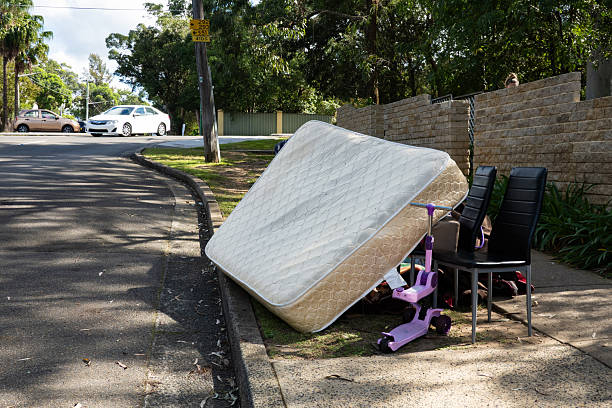
Freeing up space while doing right by the planet
Few experiences are as satisfying as reclaiming cluttered space, especially when the clutter consists of old electronics that have accumulated over time. Monitors, printers, routers, cables, and other gadgets can easily take up room in your home, office, or storage area, creating an environment that feels chaotic and overwhelming. Beyond aesthetics, these items can also become potential safety hazards, collecting dust, harboring allergens, or contributing to tripping hazards. However, by enlisting proper e‑waste disposal services, clearing out your space becomes more than just tidying—it becomes an act of environmental stewardship.
Instead of carelessly tossing electronics into a regular trash bin, imagine organizing the process thoughtfully. Begin by sorting items that can be refurbished, donated, or recycled, separating batteries and hazardous components to ensure safe handling. Scheduling a professional removal or drop‑off ensures that each device is properly processed. As your once-cluttered area transforms into an organized, open space, you also gain satisfaction knowing you’ve taken an action that benefits the planet. Responsible e‑waste management reduces landfill impact, promotes recycling, and prevents harmful chemicals from entering the ecosystem. Freeing your space while contributing to sustainability turns a routine cleanup into a meaningful, positive change that resonates far beyond the walls of your home or office.
How your old electronics can become tomorrow’s resources
What may seem like a useless, obsolete device—an old laptop, smartphone, printer, or tablet—actually contains materials with immense value. Inside every electronic device are metals like gold, silver, copper, and aluminum, along with plastics and semiconductors that can be recycled and repurposed. By sending electronics to certified recycling or removal channels, these resources can be recovered and reincorporated into the production of new devices or other industrial applications. This approach reduces the need for new mining operations, minimizes waste, and supports a circular economy where resources are continually reused rather than discarded.
Conversely, when electronics are thrown away carelessly, valuable materials are lost and locked into landfills where they contribute to pollution and environmental degradation. The mindset shift from seeing devices as junk to recognizing their inherent value is crucial. Proper e‑waste recycling transforms devices into reusable resources, ensuring that the metals, plastics, and circuits are not wasted but rather contribute to future technology and industrial innovation. By taking the time to dispose of electronics responsibly, you become an active participant in this cycle, turning items that could harm the environment into assets that support sustainable development and reduce the ecological footprint of new electronics production.
Navigating the right way to dispose of electronics
Disposing of electronics requires more than just convenience; it demands awareness and careful planning. Each device may contain batteries, sensitive data, and hazardous materials that must be handled appropriately. Before discarding anything, ask yourself key questions: Does it contain a battery that can leak chemicals if crushed? Has all personal data been securely erased? Are there certified drop-off centers, manufacturer take-back programs, or scheduled collection events available nearby? Planning ahead ensures your electronic devices do not end up in the wrong hands or contribute to environmental harm.
Finding a reputable hauler or recycling service is a crucial next step. A professional provider will have transparent policies, verified reuse pathways, and the expertise to manage the safe separation of hazardous components. This approach allows you to ensure that devices are either refurbished
Moving from throw-away electronics to sustainable habits
Electronics have become integral to daily life, yet rapid upgrades mean older devices pile up quickly, creating clutter and potential waste. Developing a routine for proper disposal is essential to turn this challenge into a sustainable habit. Begin by conducting regular inspections of your devices, identifying items no longer in use, and preparing them for safe recycling or donation. Removing batteries, wiping personal data, and categorizing equipment for disposal ensures the process is organized and secure. Over time, this routine becomes second nature, seamlessly integrating responsible e‑waste practices into your lifestyle.
Embedding these habits allows you to prevent unnecessary waste, minimize environmental impact, and promote a culture of reuse and repair. Rather than accumulating piles of outdated electronics, you create a rhythm of mindful retirement, contributing to a cleaner, safer, and more sustainable environment. The influence extends beyond personal practice—your example encourages friends, colleagues, and community members to adopt similar approaches. A single device retired responsibly may seem small, but collectively, these actions generate substantial environmental benefits. Transforming throw-away behavior into a consistent, sustainable habit ensures that electronics are treated as valuable resources, supporting both present needs and future generations.
Conclusion
When it comes to disposing of old electronics, taking the right steps is essential for protecting the environment and ensuring safety. At Clifford’s Junk Removal, we are a trusted, professional service committed to helping residents and businesses in Roseville, CA manage their electronic waste responsibly. Our team provides convenient, eco-friendly solutions for a wide range of items, including outdated computers, printers, televisions, routers, and other electronic devices.
By choosing Clifford’s Junk Removal, you can trust that your electronics will be handled with care, recycled properly, and kept out of landfills, preventing hazardous materials like heavy metals and chemicals from harming the environment. Our experienced staff is ready to answer questions, guide you on safely preparing your devices, and schedule pickups. Reach out to us by phone at 916-232-3588—we’re here to make e-waste disposal simple and responsible.