
In our modern economy, abandoned or discarded metal – whether old appliances, structural beams, wiring, or machinery – hides a latent value waiting to be unlocked. When such materials are collected, sorted, processed and fed back into manufacturing cycles, they become a financial asset. The process of scrap metal recycling channels what would otherwise sit idle or go to waste into raw‑material supply chains, reducing the need for virgin mining and lowering costs for manufacturers. The flow of recycled metal thus supports job creation, revenue streams, and regional economic vitality.
Meanwhile, the ripple effects extend beyond the processing facility. Local businesses that specialize in collection and logistics benefit, as do the downstream industries that purchase the recycled output. By building a robust network of recycling, transportation, re‑melting and manufacturing, communities can transform what was once waste into economic opportunity. This system shines especially when companies adopt transparent, efficient practices that make recycling predictable rather than sporadic.
A Greener Bottom Line Economic Gains from Metal Recycling
Scrap metal recycling delivers a ‘greener bottom line’ not just environmentally but financially. Industrial manufacturers have long relied on the availability of high‑quality scrap metal to reduce production costs: recycled metal often uses less energy and fewer resources to process than raw ore. That translates into savings, margins and more competitive pricing. In turn, marketplaces emerge around this efficient supply chain, creating jobs from collection to processing to resale.
As demand for sustainable materials continues to rise, so does the value of recycled metals. That momentum attracts investment, innovation and scale. By linking environmental stewardship with financial incentives, metal recycling creates a virtuous cycle: increased recycling drives down costs, which in turn encourages more recycling and further economic growth. For business owners, investors and local economy watchers, that synergy marks a compelling opportunity.
From Wasteland to Wealth The Recycling Journey of Scrap Metal
What begins as scrap — a discarded engine block, a rusting sheet of steel siding, old copper wiring — can find new purpose through recycling. The journey begins with collection: items removed from demolition sites, households, factories or demolition waste streams are gathered, often by local haulers. They’re sorted, the ferrous and non‑ferrous metals separated, processed and prepared for melting. After that, the recycled metal enters manufacturing: it may become car parts, building materials, electronics casings or countless other products.
That transformation contributes to wealth creation in multiple ways. First, it reduces the consumption of virgin resources — saving costs and avoiding the environmental overhead of mining. Second, it fosters jobs across the supply chain: collection crews, transport drivers, sorters, furnace operators, and engineers designing new recycled‑material uses. Third, the value of the recycled commodity becomes tradable — scrap metal yards pay for inputs, manufacturers save on raw material costs, and communities benefit from the ancillary economic activity. Hence, what seemed like wasteland becomes economic capital.
Beyond the Bin How Scrap Metal Recycling Supports Communities
When local recycling firms engage with communities — from residential drop‑offs, to business clean‑outs, to construction debris collection — the benefits ripple through neighborhoods. Such operations reduce the burden on municipal landfills, extend the lifespan of existing infrastructure, and relieve environmental stressors. Fewer landfills means less land used for dumping, fewer methane emissions and less leachate contamination. At the same time, the recycling process can become a community asset: jobs, training, and local revenue streams all ramp up.
For example, when a service collects metal from home renovations or yard clean‑ups and funnels it into a local scrap‑metal channel, neighborhoods feel the benefits. Streets stay cleaner, heavy‑metals leaching is avoided, and local businesses thrive. As more residents engage in recycling — rather than simply throwing metal into general trash — regional waste profiles improve, making the municipality more sustainable and efficient. That kind of aligned benefit makes recycling more than an industrial process — it becomes a community uplift tool.
Circular Opportunity Turning Old Metal into New Prosperity
The concept of a circular economy is gaining traction: rather than the linear “take‑make‑dispose” model, materials are reused, recycled and reintegrated. Scrap metal recycling is a textbook example of how circularity can generate new prosperity. When a steel beam, once retired from a structure, is collected and re‑melted into a new beam, the cycle completes itself — reducing mining, reducing waste, reducing environmental impact, and boosting economic output.
Within this circular loop, businesses gain resilience. They are less vulnerable to raw‐material price spikes, less exposed to supply disruption from mining or logistics, and more aligned with the rising consumer and regulatory demand for sustainability. That means businesses adopting scrap‑metal‑recycling strategies gain competitive advantage, communities attract green investment, and the overall system becomes more efficient. It’s a win for the planet and a win for the economy.
Environmental Champions How Scrap Metal Recycling Reduces Footprint
Beyond the immediate economic benefits, scrap metal recycling has measurable environmental impact. Mining and refining virgin metal ore is energy‑intensive, water‑intensive and polluting. By contrast, the process of re‑processing scrap requires less energy, emits fewer greenhouse gases and uses fewer raw resources. The environmental footprint shrinks. For instance, recycling one ton of steel can save more than a ton of iron ore, plus significant quantities of energy and water.
In turn, when less mining means less habitat destruction, fewer tailings, fewer toxic releases, and less strain on ecosystems, the environment benefits in a broad way. Furthermore, when local recycling operations reduce the need for long‑haul transport of raw materials, logistics emissions drop too. The holistic impact is not simply “waste avoided” but “resource restored” and emissions reduced. That makes scrap metal recycling a pragmatic environmental champion.
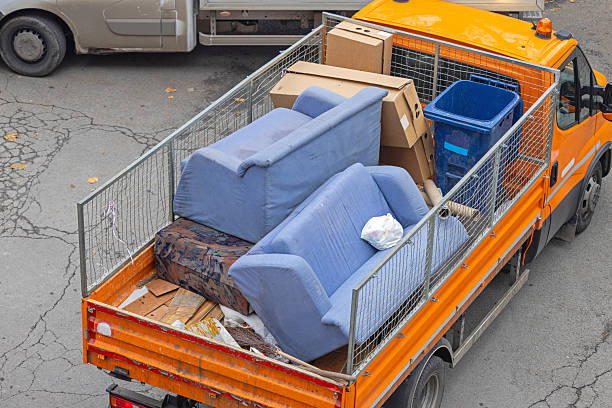
Steel Copper Gold and Gains The Metal Recycling Advantage
Various metals have distinct recycling advantages. Steel and iron are abundant and easy to collect; copper retains high value and is used in wiring, plumbing and electronics; aluminum is lightweight and recyclable without loss of quality; precious metals like gold and silver are often recovered from electronics. Each of these plays a role in recycling systems. When a recycler sorts out highly valued non‑ferrous metals (like copper or aluminum), that value translates directly into economic benefit — higher revenue per ton, more jobs in refining and re‑melting, and stronger market incentives.
This variety ensures that scrap metal recycling is not a monolithic process but a dynamic network of materials, markets and technologies. For businesses and communities, that means diversified revenue streams: collection operations that may once have removed only bulk steel can now profit from copper wiring and aluminum siding. The more diverse the recycled stream, the stronger the economic resilience and environmental impact. It’s a multiplying effect.
Closing the Loop Scrap Metal Recycling’s Role in a Sustainable Economy
Recycling scrap metal is a central piece in building a sustainable economy — one that balances growth, resource use and environmental health. Closing the loop means that fewer virgin resources are needed, fewer wastes end up in landfills, and more of what we produce is used again. That reduces resource extraction pressures, supports sustainable manufacturing and helps stabilize commodity markets. For municipalities, promoting metal recycling helps achieve long‑term environmental targets while also strengthening local economies.
Companies that embrace this approach not only cut costs but also enhance their market positioning. By fostering partnerships with scrap collectors, recyclers, and manufacturers, businesses contribute to a circular supply chain where value is retained instead of discarded. In doing so, economic growth and environmental protection are no longer opposing forces but complementary pillars supporting sustainable development.
Metal Markets and Jobs How Recycling Stimulates Economic Activity
Scrap metal recycling generates jobs across multiple sectors. From collection drivers and warehouse staff to metallurgists and furnace operators, the industry supports a spectrum of employment opportunities. Each stage of the recycling process — sorting, processing, re‑melting, and resale — creates roles that cannot be easily automated and often require specialized skills. This contributes to stable local economies, particularly in communities where recycling operations are established as major employers.
In addition, the trading of recycled metals strengthens regional and global commodity markets. Buyers and sellers negotiate prices, establish supply contracts, and invest in processing technology. The net result is a complex but highly functional system where old metal turns into new opportunities, both economically and environmentally. Recycled metal thus becomes more than a resource — it becomes a driver of sustainable economic ecosystems.
Long-Term Benefits Integrating Recycling into Corporate Strategy
Businesses integrating scrap metal recycling into their operational strategy often see both immediate and long‑term advantages. Cost reductions from recycled raw materials are evident, but the benefits extend to regulatory compliance, brand image, and environmental stewardship. Companies that adopt such practices appeal to eco‑conscious consumers and can achieve certifications that open new markets. By consistently using recycled metal in production, firms create resilience against fluctuating raw‑material prices and supply shortages.
Long-term, recycling fosters innovation in product design and material efficiency. Engineers experiment with alloys that use recycled content, manufacturers invest in advanced sorting and processing technology, and communities benefit from reduced environmental stress. Over time, a culture of recycling becomes a core component of operational excellence, demonstrating that ecological responsibility and economic advantage are intertwined.
Conclusion
Scrap metal recycling is more than just waste management—it’s a vital driver of economic growth, environmental protection, and community well-being. By diverting metals from landfills and reintroducing them into manufacturing, we help conserve natural resources, reduce energy use, and lower greenhouse gas emissions. Our approach supports a circular economy, keeping materials valuable across multiple lifecycles and promoting sustainable practices.
In addition to environmental benefits, our recycling efforts create jobs in collection, transportation, sorting, processing, and resale, supporting local economies and livelihoods. Communities enjoy cleaner neighborhoods and increased participation in eco-friendly practices. At Clifford’s Junk Removal in Roseville, CA, we provide professional, reliable, and responsible scrap metal collection and recycling services. For businesses, residents, and municipalities seeking sustainable solutions, contact us at 916-232-3588—we are your trusted partner in building a greener future.