Removing concrete can initially feel like a daunting and physically demanding project, but approaching it strategically transforms the task into something far more manageable. Begin by carefully evaluating the area, noting the size, thickness, and overall condition of the concrete slab. Determine whether the project can be handled with hand tools, such as sledgehammers and pry bars, or if mechanical equipment like jackhammers and concrete saws will be necessary. A thorough assessment ensures that the chosen approach minimizes risk and prevents unnecessary damage to surrounding surfaces. Equally important is ensuring the proper safety gear is in place. Gloves, eye protection, durable footwear, and even ear protection for noisy equipment are crucial to prevent injuries. Preparing the workspace by removing obstacles and establishing clear boundaries also contributes to a safer and more organized environment.
Breaking concrete into smaller, manageable pieces is another key strategy. By creating controlled fractures with the right tools, you reduce the risk of uncontrolled breaks that can damage nearby structures or cause personal injury. Sorting debris as you go, whether for recycling, disposal, or repurposing, further improves efficiency and keeps the workspace uncluttered. Planning the order of removal, considering structural elements, and pacing the work prevents overexertion while ensuring a steady workflow. A thoughtful, strategic approach to concrete removal transforms a labor-intensive project into a controlled, safer, and more productive process, saving both time and energy while minimizing stress.
Essential Tools for Efficient Concrete Removal
The success and efficiency of any concrete removal project rely heavily on having the right tools. For smaller projects, simple hand tools such as sledgehammers, pry bars, chisels, and shovels can often accomplish the job effectively. They allow for precision and control in breaking concrete into manageable sections without requiring specialized machinery. For larger slabs or commercial projects, power equipment like jackhammers, demolition hammers, and concrete saws becomes essential. Choosing the appropriate tool depends on the concrete’s thickness, density, and the surrounding environment. Understanding each tool’s purpose, power requirements, and limitations ensures safety while preventing unnecessary effort and potential damage to adjacent surfaces.
Equally important is organizing tools and equipment for smooth workflow. Wheelbarrows, containers, shovels, and debris removal carts streamline cleanup and reduce repetitive strain on workers. Keeping tools in good condition and checking for wear before starting prevents delays or accidents. Strategically positioning tools close to the work area saves time and effort during the project. When used in combination with a well-thought-out plan, the right selection of tools allows even complex concrete removal projects to proceed efficiently, safely, and with minimal frustration. Preparing ahead reduces both physical strain and project delays while keeping the site organized and manageable.
Step by Step Approach to Breaking Concrete
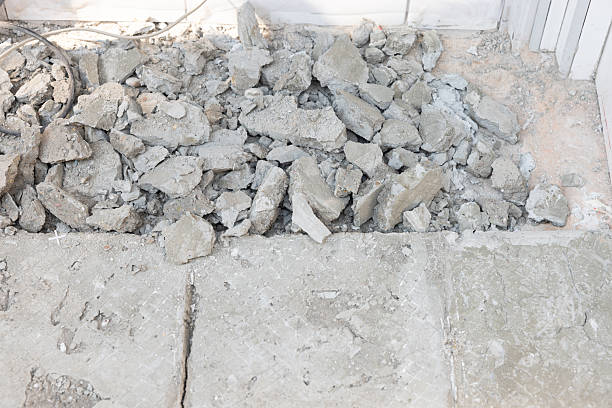
Approaching concrete removal systematically is crucial for efficiency and safety. The first step is marking the slab or area into manageable sections. Clear markings provide a visual guide, helping workers maintain control over demolition while preventing uneven breaks. Starting with smaller, manageable areas allows for incremental progress, reducing fatigue and minimizing the risk of accidents. Tools such as sledgehammers, jackhammers, and chisels can be used in a controlled manner to break concrete along natural weak points, ensuring that fractures occur where intended rather than unpredictably. This careful approach is essential for protecting nearby structures, surfaces, and landscaping.
Once the concrete is fractured, focus on removing the broken pieces in a methodical manner. Shovels, pry bars, and wheelbarrows allow for safe and efficient debris handling, transporting materials to designated disposal or recycling areas. Staging debris removal during the process prevents clutter, keeps the workspace organized, and maintains a safer working environment. This sequential method ensures that each phase of the project flows smoothly, prevents unnecessary strain on workers, and ultimately reduces the total time required for completion. A step-by-step strategy keeps the project manageable, predictable, and much less overwhelming.
Safety Measures to Prevent Injuries During Removal
Concrete removal carries inherent risks that make safety precautions critical. Wearing the appropriate personal protective equipment is the first line of defense. Gloves protect hands from sharp fragments, safety goggles prevent eye injuries from flying debris, steel-toed boots protect feet, and helmets safeguard against accidental impacts. Ear protection is essential when using loud equipment such as jackhammers or concrete saws. Beyond protective gear, maintaining a clean, organized workspace reduces the risk of trips, slips, or falls. Clear paths and designated areas for tools and debris contribute significantly to overall safety during demolition projects.
Equally important is proper handling of heavy equipment and machinery. Ensuring stability, checking for wear, and understanding operating guidelines prevent accidents. Scheduling regular rest breaks reduces fatigue, which is a major contributor to workplace injuries. Rotating tasks among workers allows for balanced physical effort and avoids overexertion. Planning work in advance, maintaining awareness of surroundings, and following a systematic demolition approach ensures that concrete removal is performed efficiently while keeping the workforce and environment protected. Safety measures are not optional—they are essential for completing the project successfully.
How to Manage Concrete Debris Efficiently
Efficient debris management is critical to keeping a concrete removal project on schedule and safe. Start by sorting debris according to reuse, recycling, or landfill disposal. Many construction projects can repurpose crushed concrete as gravel, base layers, or filler material, reducing environmental impact and disposal costs. Knowing local recycling facilities and debris regulations in advance makes the process smoother. Additionally, separating concrete from other waste streams prevents contamination and simplifies transportation and processing.
Transporting debris effectively requires planning and the right equipment. Wheelbarrows, dumpsters, shovels, and containers allow for safe and organized movement of heavy chunks. Clearing debris progressively rather than letting it accumulate prevents bottlenecks, reduces tripping hazards, and maintains a tidy workspace. Strategically placing disposal areas near the work zone improves efficiency and minimizes unnecessary lifting or transport. Prioritizing debris management ensures the project remains organized, clean, and productive, while also enhancing safety for all workers involved. Proper planning and organization are key to maintaining a streamlined concrete removal operation.
Reducing Physical Strain During Concrete Removal
Concrete removal is notoriously physically demanding, and without careful planning, it can quickly lead to fatigue or injury. One of the most effective strategies to reduce strain is to rotate tasks among team members. Alternating responsibilities prevents a single worker from performing repetitive, high-stress movements for prolonged periods. Using mechanical aids such as jackhammers, hoists, skid steers, and demolition hammers also significantly reduces the reliance on sheer physical strength. These tools not only expedite the removal process but also protect workers’ backs, joints, and muscles from overexertion. Proper lifting techniques remain critical when handling smaller concrete pieces or moving debris manually. Bending at the knees, keeping a straight back, and lifting with the legs rather than the torso can prevent long-term injuries and chronic pain.
In addition to equipment and task rotation, maintaining energy levels is key. Frequent short breaks and staying hydrated allow workers to sustain stamina throughout the project. Organizing the worksite to minimize unnecessary movement or awkward postures, such as positioning tools and debris containers close to the work area, reduces strain further. Thoughtful ergonomics, paired with strategic planning and teamwork, create a safer and more efficient environment. By incorporating these practices, the project progresses smoothly, ensuring both productivity and the health of the team, allowing even challenging concrete removal tasks to be completed without overwhelming physical tolls.
Planning Ahead for Large Scale Concrete Projects
Large-scale concrete removal projects require more than brute force—they demand careful pre-planning and coordination. Before starting, estimate the total amount of concrete to be removed, considering both thickness and coverage. Assess the manpower, tools, and machinery necessary to complete the task efficiently, keeping in mind potential limitations in accessibility or space. Developing a step-by-step removal plan allows the team to proceed methodically, preventing overlap, confusion, or rushed decision-making on-site. Breaking the project into phases also ensures that progress can be monitored, challenges addressed promptly, and resources allocated effectively.
Other factors to account for include debris management, recycling opportunities, and clear access paths for equipment and personnel. Planning for these logistical needs ahead of time minimizes downtime and prevents costly mistakes or delays. Equipment placement, staging areas for debris, and safety zones all need careful consideration, especially when dealing with large slabs or commercial sites. A thorough, proactive plan ensures the project progresses efficiently, reducing physical strain, improving workflow, and maintaining safety standards. By anticipating challenges and preparing solutions in advance, large concrete removal tasks become structured, manageable, and significantly less stressful.
Environmentally Responsible Concrete Disposal Options
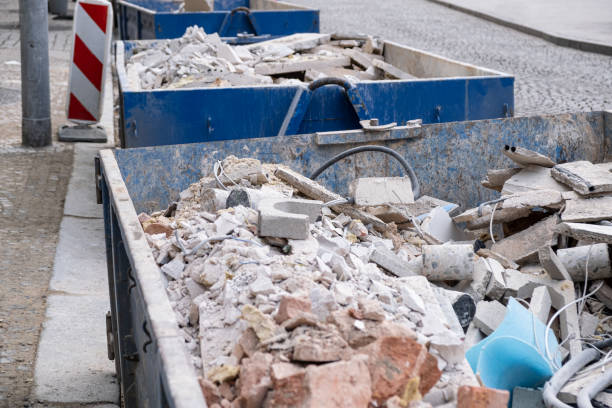
Concrete removal doesn’t have to come at the expense of the environment. One of the most sustainable practices is recycling broken concrete. Crushed concrete can be repurposed as aggregate for new construction projects, base layers for driveways, or as filler material in landscaping. Utilizing recycled concrete reduces the amount sent to landfills, conserves natural resources, and lowers project costs. Identifying local recycling facilities or services specializing in construction debris ensures materials are handled responsibly and efficiently. Proper separation of concrete from other types of waste during demolition simplifies processing and prevents contamination.
Even when recycling isn’t possible, there are steps to minimize environmental impact. Containing dust and debris, using tarps or water suppression during cutting, and organizing disposal to prevent runoff help protect surrounding areas. Prioritizing eco-conscious practices not only supports a cleaner environment but also demonstrates a commitment to sustainability in construction projects. Responsible handling of concrete waste reduces the ecological footprint of demolition while maintaining a safer, healthier workspace. By planning for environmentally friendly disposal from the outset, project managers can complete concrete removal efficiently while actively supporting long-term environmental stewardship.
Minimizing Noise and Dust During Concrete Removal
Concrete demolition generates noise and dust, which can disrupt surrounding areas. Using tools with dust control features, such as wet cutting systems or attachments with vacuums, reduces airborne particles and improves air quality. Protective barriers, tarps, and careful sequencing of tasks can further limit dust spread.
To manage noise, schedule high-impact activities during appropriate hours and use equipment designed for quieter operation when possible. Communicating with neighbors or nearby businesses shows consideration and prevents complaints. Controlling dust and noise not only ensures compliance with regulations but also creates a more comfortable work environment.
Choosing Professional Help for Complex Jobs
Some concrete removal projects exceed the capabilities of DIY efforts. Engaging professionals with experience in demolition ensures the job is done safely, efficiently, and in compliance with local regulations. They bring specialized equipment and knowledge that reduces the risk of damage and accelerates project timelines.
Professionals also provide options for debris disposal, recycling, and site cleanup, alleviating the logistical challenges of handling large volumes of concrete. Partnering with experienced teams allows homeowners and businesses to complete projects with confidence, knowing the work meets high standards without unnecessary stress or delay.
Conclusion
Removing concrete can seem like a challenging and labor-intensive task, but with proper planning, the right tools, and strict attention to safety, the process becomes much more manageable. Breaking the job into clear steps, wearing protective gear, and responsibly handling debris all make the work smoother and less stressful. Taking an organized approach not only reduces physical strain and risk of injury but also ensures the project is completed efficiently and with minimal impact on the environment.
For professional assistance with concrete removal, junk hauling, or other cleanup projects, Clifford’s Junk Removal is a trusted choice. Conveniently located in Roseville, CA, they offer reliable, efficient, and safe services. Contact them today at 916-232-3588 to schedule help with your next project.