Demolishing a shed generates more than just debris; it presents an opportunity to rethink how waste is managed efficiently. Separating materials like wood, metal, and plastic before disposal can reduce clutter and environmental impact. By planning ahead, homeowners avoid unnecessary hazards and create a smoother workflow during demolition. Ensuring that heavy machinery or proper protective gear is used minimizes the risk of injury while keeping the process organized. Knowing what can be recycled or repurposed further elevates the efficiency of shed removal and contributes to a sustainable approach that benefits both your property and the community.
Proper scheduling and coordination are essential when tackling shed demolition waste. Bringing in professional hauling services can streamline the process, reducing the time and effort required. By evaluating the volume of materials in advance, waste can be transported efficiently without overloading trucks or violating local disposal regulations. Temporary staging areas for sorted debris help maintain a clean workspace while preventing contamination of surrounding landscapes. Thoughtful planning ensures that every piece of waste is handled responsibly, minimizing environmental consequences while freeing space for new projects or landscaping improvements.
Eco-Friendly Approaches to Shed Removal Waste
Shed demolition can be environmentally taxing if not handled thoughtfully, yet adopting eco-conscious practices makes a significant difference. Reclaiming timber, metal, and other reusable materials reduces the demand for virgin resources. Compostable items or biodegradable scraps can be separated to return nutrients to the soil, limiting landfill contribution. Eco-friendly waste management also includes proper disposal of treated wood, paints, and chemicals, which, if mishandled, could leach into the environment. Embracing sustainability from the beginning of the project promotes long-term benefits and instills a sense of responsibility toward future landscaping or construction efforts.
Engaging specialized waste hauling professionals ensures that eco-friendly goals are met efficiently. Services equipped to recycle, upcycle, or responsibly dispose of hazardous materials help maintain compliance with environmental regulations. These experts bring experience in sorting, loading, and transporting debris safely, which prevents contamination and hazards on-site. By planning removal around green practices, homeowners can enhance property value while aligning with sustainable principles. Efficient, environmentally conscious demolition not only safeguards natural resources but also creates a safer, cleaner space ready for new projects, demonstrating that responsible waste management can merge practicality with stewardship.
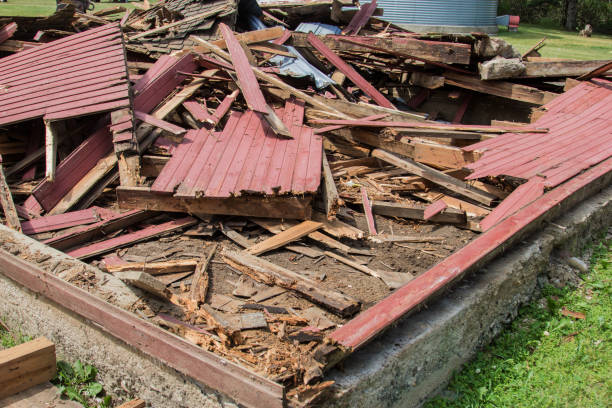
Planning Shed Demolition to Minimize Waste
Waste reduction starts with meticulous planning. Before breaking out the sledgehammer, evaluate the shed’s structure to determine which components can be salvaged, recycled, or repurposed. Identifying recyclable metals, untreated wood, or reusable hardware prevents unnecessary waste accumulation. Drafting a plan for material sorting before demolition ensures each type of debris is directed to the appropriate disposal channel, reducing confusion and environmental impact. Efficient pre-planning also identifies the tools, protective equipment, and hauling resources needed, saving time and minimizing potential hazards.
By visualizing the demolition process ahead of time, property owners can avoid impulsive actions that create excess debris. Strategically disassembling a shed rather than tearing it down haphazardly enhances safety and allows for easier material separation. This method also improves accessibility for hauling services, reducing the risk of overloading vehicles or violating local waste management ordinances. Thoughtful planning transforms what could be a chaotic, labor-intensive task into an organized operation that balances safety, efficiency, and environmental responsibility while making space for future property enhancements.
Techniques for Sorting and Separating Shed Debris
Separating shed debris into categories like metal, wood, plastic, and hazardous materials simplifies the disposal process and enhances recycling opportunities. Proper sorting reduces the risk of cross-contamination and facilitates efficient hauling, allowing debris to reach appropriate disposal or recycling facilities. Using color-coded bins or designated staging areas on-site ensures that each material type is easy to identify and prevents confusion during cleanup. This approach also minimizes trips to disposal centers, saving time, labor, and fuel, while aligning with eco-conscious waste practices.
Effective debris separation starts with understanding local recycling requirements. Metals can often be taken to scrap yards, while untreated wood may be chipped or repurposed, and hazardous materials require specialized handling. By clearly identifying these categories before demolition, homeowners avoid costly mistakes and delays. Consistently applying separation techniques throughout the project maintains organization and supports a seamless workflow. Professionals experienced in shed removal can implement these strategies quickly and safely, optimizing debris management, promoting recycling, and ensuring regulatory compliance.
Using Professional Hauling Services for Shed Demolition
Professional hauling services simplify the burden of shed demolition, providing both efficiency and safety. Experienced teams arrive with the right equipment and knowledge to dismantle and remove waste without damage to surrounding areas. Handling heavy or awkward debris becomes safer, preventing injuries and property mishaps. Professionals can also advise on the best disposal routes and recycling opportunities, which reduces environmental impact while saving time and energy for property owners. Investing in skilled hauling assistance ensures the project runs smoothly, avoiding unnecessary delays or complications.
Choosing a professional service also means waste is managed according to local regulations. Hauling companies often have access to disposal facilities that accept large volumes of material, including items that may be prohibited in standard curbside collections. Their expertise ensures materials are sorted and processed correctly, reducing landfill contributions and improving sustainability. By delegating this aspect of shed demolition, homeowners can focus on the planning or landscaping aspects of the project, confident that debris removal is handled safely, responsibly, and efficiently, enhancing the overall quality of the renovation or property improvement.
Safe Practices for Handling Heavy Shed Materials
Handling heavy shed components without proper preparation can pose serious injury risks. Lifting awkward beams, panels, and roofing materials requires careful attention to body mechanics and protective gear to prevent strains, sprains, or worse accidents. Wearing gloves, steel-toed boots, and eye protection is essential to reduce the likelihood of cuts or debris-related injuries. Safety should always be prioritized alongside efficiency, ensuring a smooth demolition process without unnecessary harm. Professionals often employ specialized lifting tools or equipment to manage the heaviest components, minimizing risk and optimizing workflow.
A well-organized workspace also contributes to safety. Clear pathways, designated debris zones, and stabilized work areas prevent slips, trips, and falls. Team coordination ensures that everyone involved knows their role and avoids overlapping tasks that could cause accidents. Incorporating these practices during shed demolition not only protects individuals but also prevents damage to surrounding property and materials. When safety protocols are followed diligently, the project moves faster, more efficiently, and with peace of mind that all participants remain protected while debris is managed responsibly.
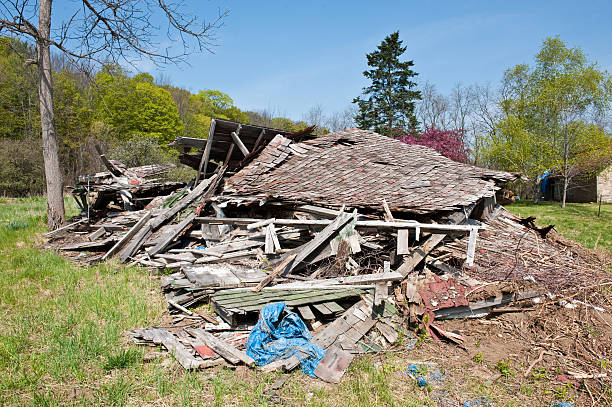
Maximizing Reusable Materials from Shed Demolition
Not all shed components need to be discarded; many materials can find a second life in new projects. Untreated wood can be repurposed for garden beds, fences, or furniture projects, while metal fixtures and hardware may be reused in other structures. This approach reduces waste, lowers material costs for future projects, and fosters creativity. Identifying salvageable elements before demolition ensures they are handled carefully and separated from materials destined for disposal. Maximizing reuse also aligns with environmentally conscious practices, promoting sustainability and resource efficiency.
Sorting and storing reusable materials properly enhances their longevity and usability. Clean, dry storage areas prevent warping, rust, or decay, making it easier to integrate salvaged pieces into future endeavors. Professionals can advise on which materials are best preserved and offer tips for safe removal without damage. This proactive approach to material reuse not only reduces the volume of waste sent to landfills but also contributes to a cost-effective, sustainable property improvement strategy, demonstrating that careful demolition planning can deliver practical and creative benefits beyond mere debris removal.
Efficient Transportation and Disposal of Shed Waste
Transporting shed demolition debris can be logistically challenging, but planning routes and pickup schedules helps minimize disruption and cost. Grouping materials by disposal type and preparing them for loading ensures trucks are efficiently filled, reducing trips. Choosing reputable hauling services or disposal facilities guarantees compliance with local regulations and environmental standards. Properly managed transportation prevents accidental spills, reduces fuel consumption, and ensures a smoother cleanup process, all while maintaining the safety of both workers and property.
Optimizing disposal involves knowing where each type of material should go. Metals, plastics, untreated wood, and hazardous substances each require specific handling. By clearly labeling loads and working with knowledgeable hauling professionals, homeowners can ensure debris is processed correctly, often with recycling or repurposing opportunities. This systematic approach saves time, reduces environmental impact, and enhances the efficiency of the demolition project. Coordinated transportation strategies, coupled with responsible disposal practices, turn a potentially chaotic cleanup into a well-organized operation, leaving the property ready for new improvements.
Cost-Effective Shed Waste Management Solutions
Managing shed demolition waste need not be expensive when approached strategically. Planning and sorting materials before removal reduces the need for multiple disposal trips or last-minute services. Salvaging reusable materials further offsets costs, while hiring professional hauling services can prevent unexpected damages or inefficiencies that add to expenses. Budget-conscious homeowners benefit from combining thoughtful preparation with expert assistance, balancing affordability with safety and environmental responsibility.
Leveraging local recycling centers and disposal facilities also contributes to cost efficiency. Many centers offer lower rates for sorted and separated materials, rewarding organized demolition practices. By integrating these strategies, homeowners can reduce financial burdens while maintaining a smooth, eco-friendly cleanup process. Cost-effective planning ensures that shed demolition and waste management become manageable, predictable, and sustainable, allowing the property to transition seamlessly into the next phase of improvement or landscaping.
Legal Considerations in Shed Demolition Waste Disposal
Disposing of shed demolition waste without regard for regulations can lead to fines, legal complications, or environmental penalties. Understanding local ordinances regarding material disposal, hazardous waste handling, and landfill restrictions is crucial before starting demolition. Compliance ensures that debris is transported and processed correctly, avoiding unnecessary liabilities. Awareness of permits and allowable disposal sites empowers homeowners to plan responsibly and maintain legal integrity throughout the project.
Professional hauling services are well-versed in legal requirements and can guide property owners to stay compliant. By outsourcing waste management, homeowners reduce the risk of unintentional violations and streamline the removal process. Incorporating legal considerations into demolition planning creates a safe, efficient, and compliant approach that protects both property value and personal responsibility. Following these guidelines safeguards the environment, the community, and the homeowner, while ensuring that shed demolition is conducted with full regulatory compliance.
Preparing Your Property for Post-Demolition Cleanup
Once a shed is removed, proper cleanup and preparation of the site are essential for new projects. Removing debris residues, leveling the ground, and ensuring the area is free from sharp objects or hazardous materials create a safe foundation for landscaping, storage solutions, or new construction. Thorough post-demolition cleanup reflects good property management practices and supports long-term sustainability and aesthetic appeal.
Conclusion
Managing shed demolition waste requires careful planning, material separation, and environmentally conscious disposal. Partnering with professional hauling services streamlines the process, enhances safety, and ensures compliance with regulations. Efficient waste management strategies reduce environmental impact while creating opportunities to repurpose materials and prepare the site for new projects. With organized planning, homeowners can transform a potentially overwhelming task into a smooth, cost-effective, and sustainable operation.
For professional shed demolition waste management, Clifford’s Junk Removal provides expert, reliable assistance. Based in Roseville, CA, they offer dependable service tailored to your project needs. To schedule help, call 916-232-3588.