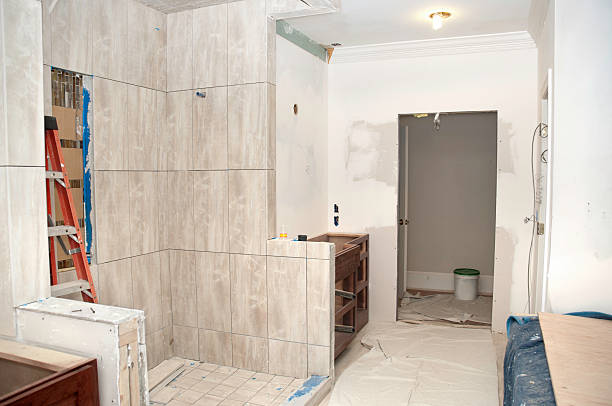
Before you swing the sledgehammer, it’s crucial to outline a detailed cleanup plan. Bathroom demolition often produces dust, broken tiles, and leftover plumbing debris that can quickly overwhelm an unprepared workspace. Start by gathering essential tools such as heavy-duty trash bags, protective gloves, dust masks, and containers for recyclable materials. Separating hazardous elements like broken glass or old pipes in advance prevents accidents and saves time during the actual cleanup. A systematic approach reduces the chaos, allowing each stage of demolition to flow smoothly while keeping your bathroom environment as controlled as possible.
Organizing a workspace also involves protecting unaffected areas from debris. Lay down plastic sheets or old blankets over floors and nearby furniture to catch falling fragments. Labeling and isolating materials based on disposal type ensures you stay compliant with local waste regulations. By visualizing each step in the process before starting, you minimize interruptions and avoid costly mistakes. This preparation phase, while often overlooked, dramatically reduces stress and creates a safer environment for anyone involved in the project, setting the stage for a more efficient and thorough cleanup.
Using Protective Gear to Streamline Bathroom Demolition Cleanup
Safety should always take priority during any demolition project. Dust, mold, and sharp materials can pose significant risks, and wearing protective gear ensures both safety and efficiency. Gloves, goggles, and sturdy footwear prevent injuries from broken tiles and jagged fixtures. Respirators or dust masks are vital when dealing with fine particles from drywall or tile removal. Investing in proper protective equipment not only safeguards your health but also allows you to focus on cleanup tasks without distraction from minor injuries or discomfort.
Proper gear also minimizes downtime caused by accidents. Knee pads and durable clothing help you maneuver through tight bathroom spaces without damage to your body or personal items. When combined with strategic planning, protective gear ensures that you can handle debris with confidence and maintain a steady pace. Being fully equipped from the outset reduces the likelihood of interruptions, allowing each phase of demolition cleanup to progress seamlessly and efficiently, ultimately saving time and effort while maintaining a high standard of safety.
Sorting Debris for Efficient Bathroom Demolition Cleanup
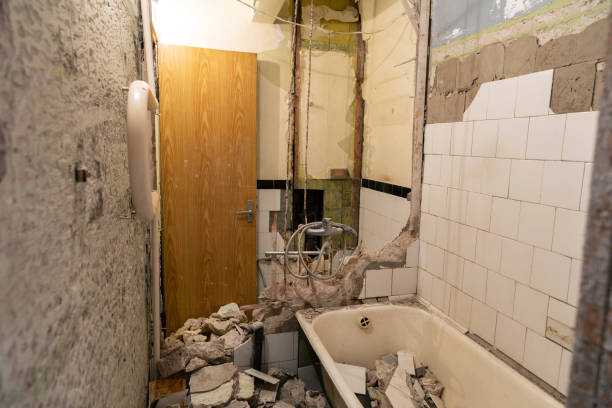
Efficient demolition cleanup relies heavily on effective debris management. Sorting materials immediately after removal makes the process more organized and reduces the number of trips to disposal sites. Begin by categorizing debris into recyclable items, general waste, and hazardous materials. For instance, metal pipes and old fixtures can often be recycled, while broken tiles and drywall are considered general construction waste. Hazardous elements such as mold-infested materials or chemical cleaners should be carefully segregated and handled according to local regulations. A clear sorting system prevents delays and simplifies disposal logistics.
Sorting also enhances workspace safety. Debris scattered randomly increases the risk of trips, falls, and puncture injuries. By keeping piles contained and well-labeled, you maintain a cleaner, more navigable environment. This approach allows demolition to continue uninterrupted, with each type of material directed to its appropriate disposal route. Sorting not only optimizes the cleanup workflow but also demonstrates responsible environmental stewardship, minimizing unnecessary landfill contributions while keeping the bathroom demolition process smooth and efficient.
Timing Your Bathroom Demolition Cleanup to Save Effort
Timing can be the difference between a chaotic cleanup and a streamlined process. Start by scheduling demolition and disposal activities during hours when you have maximum energy and minimal interruptions. Breaking the project into manageable sessions prevents fatigue, which often leads to accidents or careless handling of debris. Allocate specific periods for tearing down fixtures, hauling out waste, and wiping down surfaces. Keeping a consistent rhythm ensures the project progresses steadily without unnecessary downtime.
Additionally, timing waste removal to coincide with pickup schedules or dumpster availability can save multiple trips and reduce storage of debris in cramped spaces. Coordinating tasks efficiently allows workers to maintain focus and prevents clutter accumulation that slows progress. By respecting both personal energy limits and logistical timelines, you create a demolition cleanup process that feels manageable, controlled, and highly productive, ensuring that even large-scale bathroom projects remain organized and stress-free.
Optimizing Tools and Equipment for Bathroom Demolition Cleanup
Having the right tools on hand can transform a cumbersome bathroom cleanup into a more streamlined operation. Essential tools include a sturdy hammer, pry bar, heavy-duty trash bins, and a wet/dry vacuum. Using specialized equipment like tile removers or demolition saws can drastically reduce the effort required to break down hard materials. Organize tools in a central, accessible location so that each is within reach when needed, avoiding unnecessary trips across the workspace.
Maintenance and preparation of equipment are equally important. Inspect power tools for wear and tear, charge batteries in advance, and keep sharp edges covered when not in use. Proper tool handling reduces accidents and ensures each cleanup phase proceeds smoothly. A well-planned toolkit strategy allows for uninterrupted work, minimizes stress, and increases productivity, making the bathroom demolition cleanup process faster, safer, and far less frustrating.
Managing Dust and Contaminants During Bathroom Demolition Cleanup
Bathroom demolition often produces a significant amount of dust and debris, which can infiltrate other areas of your home if not properly contained. To manage this, seal off adjacent rooms with plastic sheeting or temporary barriers. Wetting surfaces slightly can also prevent dust from becoming airborne, making cleanup more manageable. Removing dust as it accumulates prevents it from embedding into carpets, grout lines, or ventilation systems, which saves hours of additional cleaning later.
Airborne contaminants may include mold spores or harmful chemicals from old adhesives or sealants. Using air purifiers or fans to direct airflow can help reduce inhalation risks and keep the workspace cleaner. Regularly sweeping and vacuuming as you progress prevents buildup that could slow work and create health hazards. By actively controlling dust and contaminants, the demolition cleanup process becomes safer, more organized, and easier to complete efficiently.
Disposing Hazardous Materials Safely During Bathroom Demolition Cleanup
Certain elements in bathroom demolition, such as asbestos, lead-based paint, or chemical cleaners, require careful handling. Failing to dispose of hazardous materials correctly can result in health risks and regulatory fines. Identify hazardous items early, and separate them from general debris. Use labeled containers for safe storage and follow local disposal regulations for pickup or drop-off locations to ensure compliance.
Proper disposal of hazardous materials not only protects health but also streamlines the cleanup workflow. Keeping these items isolated prevents cross-contamination and reduces the need for repeated cleaning of non-hazardous areas. Coordinating disposal with certified removal services further simplifies the process, allowing the demolition to continue efficiently while maintaining safety standards. This approach ensures that every aspect of the bathroom cleanup is both responsible and effective.
Maximizing Reuse and Recycling During Bathroom Demolition Cleanup
Bathroom demolition doesn’t always mean every material is waste. Many fixtures, cabinets, or tiles can be repurposed, sold, or donated. Identify items that are in good condition and separate them from broken debris. Recycling metals, plastics, and glass not only reduces landfill contributions but can also offset some disposal costs. Planning for potential reuse adds an environmentally friendly dimension to the cleanup process.
Maximizing recycling and reuse helps maintain a cleaner workspace by reducing clutter during demolition. It encourages a more thoughtful approach to material handling and fosters sustainable practices. Integrating these steps into your workflow not only enhances efficiency but also aligns your project with eco-conscious standards. The result is a bathroom demolition cleanup that is organized, productive, and environmentally responsible.
Coordinating a Team for Bathroom Demolition Cleanup Success
When demolition projects involve multiple participants, clear coordination is essential. Assign specific roles to each team member, such as debris removal, tool handling, and waste sorting. Establishing a hierarchy or workflow prevents confusion and ensures each task is completed without overlap. Effective communication tools, such as walkie-talkies or checklists, can keep everyone synchronized, especially in larger or more complex projects.
A well-coordinated team allows the cleanup process to proceed smoothly and safely. When each member understands their responsibilities, materials are moved efficiently, and hazards are minimized. Coordination ensures that the demolition cleanup timeline stays on track, prevents redundant efforts, and maintains a high level of productivity throughout the project. The bathroom can be cleared systematically, leaving the space ready for the next phase of renovation with minimal disruption.
Maintaining a Clean Worksite During Bathroom Demolition Cleanup
Maintaining a clean workspace throughout demolition is key to efficiency. Constantly removing debris from active areas reduces clutter and prevents accidents. Use portable bins and trash bags to capture materials as they are removed, and schedule brief, frequent tidying sessions rather than waiting until the end of the project. A clean worksite improves movement, reduces risk, and makes the entire cleanup process faster.
A tidy environment also aids in final inspections and ensures nothing valuable or reusable is discarded. Organizing tools, materials, and waste consistently creates a rhythm to the workflow, making each phase more predictable and manageable. Maintaining cleanliness is not just about aesthetics—it’s a crucial strategy that supports safety, efficiency, and successful bathroom demolition cleanup from start to finish.
Conclusion
Efficient bathroom demolition cleanup requires careful planning, the right tools, and attention to safety, dust control, and proper waste disposal. By following these best practices, the process becomes faster, safer, and more organized, ensuring a smooth transition to the next stage of renovation. Every step, from sorting debris to maintaining a clean workspace, helps streamline workflow, reduce stress, and maximize productivity. Whether dealing with hazardous materials, optimizing equipment, or coordinating a team, preparation and efficiency are essential.
For professional bathroom demolition cleanup assistance, contact Clifford’s Junk Removal in Roseville, CA. Their experienced team can handle debris removal quickly and safely. Call 916-232-3588 to schedule service or get more information.