
Removing concrete from construction sites, driveways, or old patios often leaves behind a substantial amount of debris. Properly handling this rubble is essential not only for safety but also for environmental responsibility. Many property owners are unsure whether to haul it themselves, recycle it, or hire professionals. Understanding the options can save time, reduce labor stress, and even lower disposal costs. Additionally, concrete debris can sometimes be repurposed, turning what seems like waste into a useful resource. Planning ahead and knowing the correct disposal or recycling channels ensures a smoother post-removal process while keeping your property clean and organized.
Creative Ways to Handle Concrete Debris
Concrete debris can be overwhelming if left unmanaged. One practical approach is to separate large chunks from finer gravel and dust, making transportation and disposal easier. Sorting debris also allows you to identify materials suitable for recycling or repurposing, such as crushed concrete for landscaping or fill. Many recycling facilities accept concrete, transforming old slabs into aggregate for new construction projects. If hauling on your own, use sturdy containers and protective gear to avoid injury while moving sharp or heavy fragments. Handling debris thoughtfully not only protects your team but also maximizes the potential value of materials that might otherwise be wasted.
Using concrete debris creatively can reduce landfill impact and stretch your budget. Some homeowners repurpose smaller pieces as decorative stones in gardens or pathways. Others blend concrete fragments with soil to enhance drainage in certain landscaping applications. Even large slabs can be broken down with proper tools to create construction-ready aggregate. By considering the possibilities before discarding, you can save money on disposal fees and contribute to sustainable practices. Taking a strategic approach to concrete debris not only simplifies removal but also transforms a messy byproduct into functional resources that add value to your property or project.
Choosing the Right Disposal Method for Concrete Waste
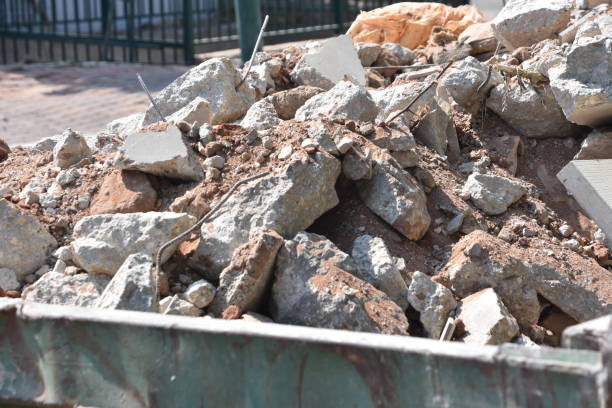
Concrete removal generates materials that require careful disposal to comply with regulations and avoid environmental issues. Landfills accept concrete in many areas, but some have strict rules on size, contamination, or quantity. Researching local disposal sites ensures compliance and prevents potential fines. When deciding whether to transport debris yourself, consider the weight and volume. Hiring professional hauling services can streamline the process, especially for large-scale projects, as they have the equipment and experience to manage heavy materials efficiently. Proper disposal planning minimizes hazards and contributes to a smoother cleanup process, saving time and energy.
Recycling concrete is often the most sustainable choice, turning waste into reusable aggregate for roads, sidewalks, or new construction. Many facilities crush concrete on-site or at processing plants, producing material suitable for various applications. Separating debris from metals, wood, or plastics improves recycling efficiency and reduces contamination. Choosing the right disposal path depends on the project scale, available resources, and environmental goals. Weighing landfill versus recycling options can help property owners make informed decisions, ensuring concrete debris is managed responsibly while potentially benefiting future projects with reclaimed materials.
Safety Measures for Handling Concrete Debris
Handling concrete debris comes with inherent risks due to sharp edges, dust, and weight. Wearing gloves, protective eyewear, steel-toed boots, and dust masks is essential to prevent injuries and respiratory issues. Lifting techniques should follow ergonomic best practices, and when moving large chunks, using tools like wheelbarrows or dollies reduces strain. Organizing debris into manageable piles further minimizes accidents, especially in tight construction spaces. Preparing a designated area for temporary storage helps avoid tripping hazards and makes subsequent transport smoother. Prioritizing safety during removal protects workers and ensures the cleanup process remains efficient and incident-free.
Dust control is another critical component of safe concrete handling. Cutting or breaking concrete can release fine particles that irritate lungs and eyes, making masks and ventilation essential. Wetting the debris slightly can reduce airborne dust, while keeping children and pets away safeguards their health. Proper disposal and containment prevent debris from spreading across the property, reducing the risk of slips, falls, or property damage. Combining personal protective measures with strategic organization ensures that concrete debris removal is as safe and streamlined as possible, creating a cleaner worksite and preventing unnecessary injuries.
Tools and Equipment Needed for Concrete Debris Removal
Successfully removing concrete debris depends on having the right tools. Sledgehammers, chisels, jackhammers, and concrete saws help break large slabs into manageable pieces. Wheelbarrows, heavy-duty containers, or dumpsters facilitate transport, while shovels and brooms handle smaller fragments. Wearing proper protective gear enhances safety and efficiency. Investing in quality tools can save time and reduce frustration, particularly on larger projects. Even simple hand tools make a significant difference when properly coordinated, allowing for systematic removal without causing unnecessary property damage or personal strain.
Some debris removal projects benefit from mechanized equipment, such as skid steers or mini-excavators, especially for commercial or large-scale residential projects. Renting these machines can be more cost-effective than purchasing, particularly for one-off cleanouts. Properly maintaining equipment ensures reliability during intensive removal work, reducing downtime. Organizing tools before starting the project and mapping out a step-by-step removal plan increases efficiency. Combining human effort with mechanical assistance allows for safe, timely, and thorough clearing of concrete debris, preparing your property for its next phase without leftover rubble cluttering the area.
Transporting Concrete Debris Efficiently
Moving concrete debris requires careful planning to prevent accidents, minimize effort, and comply with local disposal rules. For smaller projects, multiple trips with wheelbarrows or pickup trucks can suffice. Large-scale removals may require renting a roll-off dumpster or hiring professional hauling services. Securing the debris with tarps or straps during transport prevents pieces from falling and creating hazards on roads. Properly distributing weight in transport vehicles reduces strain and avoids vehicle damage. Efficient transport saves time and ensures that debris reaches the intended disposal or recycling site without causing environmental or legal issues.
Professional hauling services often provide specialized trucks and equipment that streamline transport, handling heavy loads safely. Coordinating pickup schedules and volume estimates helps avoid unnecessary trips and reduces labor. Additionally, many services offer eco-conscious disposal, ensuring debris is processed responsibly. For DIY transport, planning routes and timing to minimize traffic interactions improves safety. Effective debris transport combines preparation, appropriate equipment, and attention to detail, allowing property owners to move concrete efficiently while adhering to safety standards and environmental considerations.
Recycling and Repurposing Concrete Debris
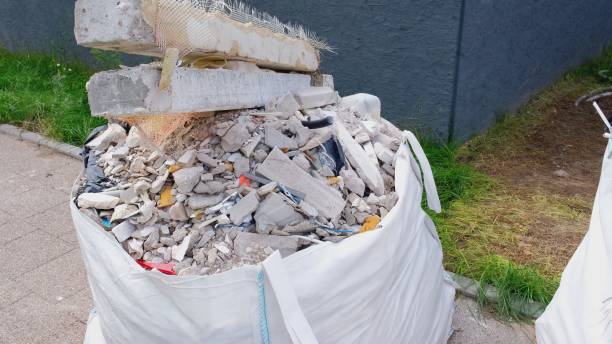
Concrete is one of the most recyclable construction materials, making repurposing an attractive option. Facilities can crush old slabs into aggregate for new concrete, road base, or landscaping fill. Even broken chunks can serve as erosion control, driveway base material, or garden borders. Separating debris by size and material type enhances recycling efficiency and reduces contamination. Understanding local recycling options allows property owners to make environmentally conscious decisions while potentially reducing disposal costs. Choosing to recycle rather than discard contributes to sustainability and extends the life of natural resources.
Repurposing debris creatively adds value to projects while reducing waste. For example, small pieces can fill garden pathways, while larger chunks might form retaining walls or outdoor seating. Concrete can even be ground into gravel for drainage or filler applications. By exploring both functional and decorative uses, homeowners and contractors can extend the lifecycle of materials that would otherwise occupy landfill space. Recycling and repurposing concrete not only supports eco-friendly practices but also transforms post-removal challenges into opportunities for innovation and resourceful construction solutions.
Eco-Friendly Approaches to Concrete Debris Management
Sustainable debris management begins with evaluating options beyond traditional landfill disposal. Recycling concrete reduces the environmental footprint by conserving raw materials and minimizing energy-intensive production of new aggregate. Professional hauling companies often adhere to eco-conscious standards, separating debris efficiently and delivering it to certified recycling facilities. Choosing sustainable practices aligns with broader green building initiatives while keeping your property clutter-free. By prioritizing eco-friendly approaches, property owners demonstrate responsibility and contribute to community-wide efforts to reduce construction-related waste.
Minimizing environmental impact also involves reducing dust, runoff, and debris scattering during removal. Wetting concrete dust and containing small fragments prevents contamination of nearby soil and waterways. Utilizing recycled aggregate locally can further lower carbon emissions associated with transportation. Integrating these methods into debris management ensures that your project leaves a lighter ecological footprint while maintaining safety and efficiency. Sustainable handling practices make debris removal not only a logistical task but also a conscious choice to protect the environment for future projects and generations.
Hiring Professionals for Concrete Debris Removal
Concrete debris removal can be physically demanding and time-consuming, especially for large-scale projects. Hiring professional services streamlines the process, bringing experience, specialized tools, and efficient disposal methods. Professionals handle heavy lifting, transportation, and recycling, reducing stress and the risk of injury. Their expertise ensures that debris is sorted, transported, and processed according to local regulations. Engaging a reliable company allows property owners to focus on other project elements without worrying about leftover rubble or compliance issues.
Professional debris removal also enhances safety and efficiency for residential and commercial projects. Companies can provide dumpsters or trucks for large loads, removing the need for multiple trips. They often coordinate recycling and disposal to minimize environmental impact while adhering to city or county regulations. Hiring professionals guarantees timely completion, which is particularly valuable when working on tight project schedules. By leveraging expert services, property owners benefit from convenience, reduced risk, and environmentally responsible handling of concrete debris, creating a cleaner and safer property after removal.
Planning for Long-Term Property Maintenance After Concrete Removal
After clearing concrete debris, planning long-term maintenance ensures the property remains organized and functional. Removing rubble opens opportunities for landscaping, structural repairs, or paving projects. Establishing storage zones, pathways, and organized work areas reduces future clutter and prevents debris accumulation. Maintenance planning also considers drainage, soil stability, and ongoing landscaping needs to make the most of cleared space. Proper planning reduces stress, enhances safety, and promotes a more attractive, usable property over time.
Proactive maintenance planning involves scheduling periodic inspections and cleanups to prevent small issues from escalating. Reusing recycled concrete can support foundational work or landscaping enhancements. Keeping pathways and work areas clear reduces the likelihood of accidents and prolongs the lifespan of surrounding structures. By integrating debris management into broader property upkeep strategies, property owners can enjoy cleaner, safer, and more sustainable environments while optimizing the benefits of past construction or renovation work.
Conclusion
Demolition cleanup is an essential part of any home renovation, providing practical, safety, and efficiency benefits that enhance the entire process. Prompt and professional debris removal reduces hazards, saves time, minimizes stress, and encourages environmentally responsible disposal practices. Investing in reliable cleanup services ensures each phase of your renovation runs smoothly, allowing creativity and quality to take center stage without interruptions.
For homeowners in Roseville, CA, Clifford’s Junk Removal is a trusted partner for expert demolition cleanup and efficient debris removal. Their experienced team handles every project with care and professionalism, helping your renovation stay on schedule while keeping your space safe and organized. Contact Clifford’s Junk Removal today at 916-232-3588 to make your cleanup hassle-free.