Taking down a shed may seem straightforward, but without the right tools, it quickly becomes a daunting task. Hand saws, crowbars, and sledgehammers form the backbone of any demolition project, allowing for controlled dismantling of wood, nails, and fasteners. Safety gear, including gloves, goggles, and sturdy boots, ensures that every movement is secure and accidents are minimized. Precision is key, and having the proper demolition kit allows you to work efficiently without damaging surrounding areas or creating hazardous conditions.
In addition to basic hand tools, power equipment such as reciprocating saws and drills accelerates the process significantly. Tarps, wheelbarrows, and heavy-duty trash bags help manage debris while maintaining an organized worksite. Investing in these tools beforehand saves time, reduces frustration, and makes the cleanup afterward far more manageable. Whether you’re removing an old storage shed or clearing space for a new one, preparation with the correct equipment is crucial.
Safety Gear That Makes Shed Cleanup Safer
Safety should never be an afterthought when dismantling a shed. Protective eyewear shields your eyes from flying splinters, dust, and rusted nails, while gloves protect against cuts and abrasions. Hard hats and steel-toed boots guard against falling objects or accidental hammer strikes. A dust mask or respirator is essential when working with older structures that may contain mold, mildew, or asbestos-laden insulation. Prioritizing safety not only prevents injuries but also allows for more confident and efficient work.
Beyond personal protective equipment, site safety tools like caution tape and signage help keep bystanders clear of the demolition zone. Organizing a safe workspace with stable ladders and ensuring all electrical tools are properly grounded reduces the likelihood of accidents. Implementing safety protocols ensures that shed removal is smooth and incident-free. Taking the extra time to equip yourself adequately fosters a safer, more effective approach to demolition and cleanup.
Power Tools That Accelerate Shed Demolition
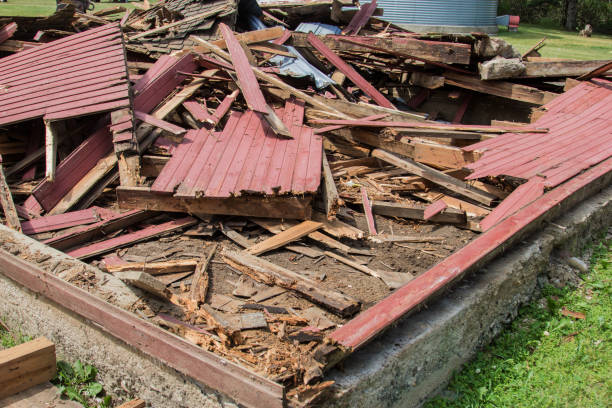
Manual labor can be exhausting, especially when a shed is old or particularly sturdy. Power tools such as electric drills, circular saws, and reciprocating saws dramatically reduce the effort required to dismantle structural elements. These tools provide precision when cutting boards, removing nails, and breaking down walls, saving time and energy. Choosing the right power tool for each task ensures a cleaner, faster demolition process with fewer mistakes or accidents.
Using power tools effectively also requires understanding their capabilities and limitations. Cordless options offer mobility, while corded tools provide consistent power for heavier tasks. Combining power tools with traditional hand tools achieves the perfect balance between efficiency and control. The synergy of these instruments allows for a smoother demolition, making cleanup easier and the overall project less physically taxing while delivering professional results.
Essential Hand Tools for Shed Dismantling
Hand tools are indispensable for precise work when demolishing a shed. Crowbars and pry bars help separate boards without unnecessary damage, while claw hammers efficiently remove nails. Screwdrivers and pliers allow you to disassemble fixtures and hardware systematically. Even in a project that incorporates power tools, hand tools remain vital for detail work and hard-to-reach areas, ensuring every piece of the shed is properly managed.
These tools also support a safer approach to demolition. Instead of forcing large pieces with brute strength, which increases injury risk, a combination of hand tools and technique reduces strain. They enable you to take apart the structure methodically, leaving materials in a condition suitable for recycling, disposal, or repurposing. A well-stocked hand tool kit complements larger equipment and guarantees a more efficient, controlled shed teardown.
Organizing Debris During Shed Removal
Clearing debris is often the most challenging part of shed demolition, but strategic organization makes the task manageable. Using wheelbarrows, bins, and tarps allows you to separate wood, metal, and general waste efficiently. Keeping the worksite organized prevents accidents, improves workflow, and reduces the time spent locating and removing debris. Sorting materials early in the process also facilitates proper disposal and recycling, contributing to an environmentally responsible cleanup.
Effective debris management requires planning and commitment throughout the demolition process. As boards, nails, and roofing materials are removed, placing them in designated areas keeps pathways clear and prevents injury. Heavy-duty trash bags and containers can hold smaller items, while larger pieces can be stacked for later disposal. By staying organized, you not only streamline the cleanup but also create a safer and more productive environment for the entire project.
Innovative Techniques for Safe Shed Demolition
While tools are essential, understanding demolition techniques ensures the project is executed safely and efficiently. Starting from the roof and working downward prevents structural collapses. Removing hazardous elements first, such as old nails or broken glass, minimizes injury risk. Using controlled force rather than aggressive swings helps prevent accidents while maintaining structural integrity during removal. Proper technique enhances the effectiveness of every tool in your kit.
Incorporating methodical strategies also saves time and energy. Planning each stage before swinging a hammer allows you to anticipate challenges and adjust your approach accordingly. Small preparatory steps, such as disconnecting utilities or removing fragile items, reduce potential hazards. A combination of thoughtful planning, correct tool selection, and safe techniques makes shed demolition less stressful and ensures the project is completed efficiently and securely.
How to Dispose of Shed Materials Responsibly
Demolition generates substantial waste, making responsible disposal a priority. Separating materials by type—wood, metal, and hazardous substances—enables proper recycling or landfill use. Local regulations often dictate disposal methods, so understanding rules before beginning ensures compliance. Efficient segregation reduces environmental impact while keeping your cleanup organized. Recyclable materials, like untreated wood and scrap metal, can be repurposed or taken to recycling centers, supporting sustainable practices.
Hazardous materials require special handling. Treated wood, old paint, and certain insulation must be disposed of according to local guidelines to avoid environmental contamination. By planning for responsible disposal from the start, you minimize risks and promote eco-friendly demolition practices. Combining proper disposal with effective cleanup techniques ensures the site is left safe, clear, and ready for its next purpose, whether construction, landscaping, or repurposing.
Tools for Efficient Nail and Fastener Removal
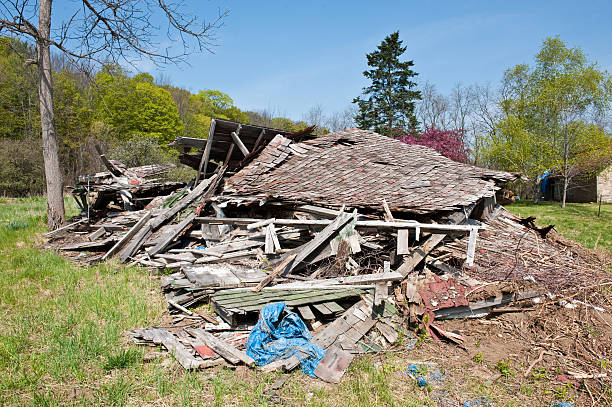
Removing nails, screws, and other fasteners is crucial for a smooth demolition process. Tools such as claw hammers, nail pullers, and pliers allow you to extract hardware without damaging reusable materials. Precision in fastener removal reduces injury risk and prevents unnecessary splintering or material waste. It also prepares surfaces for potential repurposing of wood or metal, extending the utility of salvaged components.
Having a variety of fastener removal tools ensures you can handle diverse materials. Some nails are deeply embedded, while screws may be stripped or rusted. Selecting the right tool for each type avoids frustration and injury. This focused approach ensures that every board and panel can be removed cleanly, contributing to a faster, safer, and more effective shed demolition process while preserving valuable materials for future use.
Creating a Workspace for Streamlined Cleanup
A cluttered workspace increases the risk of accidents and slows down shed removal. Designating clear zones for demolition, debris collection, and tool storage creates a logical flow, improving efficiency. Keeping frequently used tools within reach reduces interruptions, while removing hazards like loose boards or protruding nails keeps the area safe. A well-organized site ensures that each stage of demolition proceeds smoothly and without unnecessary delays.
Additional considerations include weather protection, lighting, and stable surfaces. Covering debris piles with tarps prevents materials from scattering, while portable lights help maintain visibility in shaded or dim areas. By preparing a thoughtful workspace before starting demolition, every movement becomes deliberate and controlled. Investing time in organization pays dividends during cleanup and ensures the project is completed safely, efficiently, and with minimal stress.
Choosing the Right Equipment for Large or Small Sheds
Shed size and construction determine the tools required for demolition. Smaller, wooden structures may only require hand tools and basic power equipment, while larger sheds with metal or concrete components demand heavier machinery and specialized tools. Understanding the scope of the project in advance prevents wasted effort and ensures every tool contributes effectively to dismantling and cleanup.
Assessing shed materials also influences safety considerations and cleanup strategies. Heavier or reinforced structures may need cutting tools, hoists, or additional manpower, while simpler designs can be removed with minimal equipment. Selecting the correct equipment reduces physical strain, speeds up the process, and promotes safe handling of debris. Planning with foresight ensures that the shed demolition is efficient, organized, and controlled from start to finish.
Planning Shed Demolition for Maximum Efficiency
Effective planning is the cornerstone of any demolition project. Identifying potential hazards, estimating time requirements, and assembling necessary tools beforehand allows work to proceed smoothly. Having a step-by-step plan ensures every action is purposeful and resources are used efficiently. It also reduces the likelihood of accidents or wasted effort, as each phase is carefully considered before execution.
Planning extends to post-demolition cleanup and disposal. Allocating time and equipment for debris management prevents clutter and keeps the site safe. Combining careful preparation with the right tools and techniques ensures the entire demolition process is organized, efficient, and stress-free. When every detail is accounted for, shed removal becomes a structured, predictable task rather than a chaotic, hazardous endeavor.
Conclusion
Executing a shed demolition requires careful planning, the right tools, and a clear strategy. Using proper hand tools, power equipment, safety gear, and effective debris management ensures the process is both efficient and safe. By understanding techniques for dismantling structures, removing fasteners, and handling materials responsibly, you can complete a shed removal project with minimal risk and maximum effectiveness. A well-organized workspace and thoughtful preparation are just as important as the tools themselves, helping ensure a smooth demolition and an orderly cleanup.
For professional shed demolition and junk removal services, Clifford’s Junk Removal in Roseville, CA, offers expert assistance for projects of any size. They can be reached at 916-232-3588 for reliable and efficient service.