When it comes to clearing spaces efficiently, demolition cleanup and junk removal often get confused. Demolition cleanup involves the meticulous removal of debris generated after construction or tearing down a structure. This includes concrete, drywall, metal, and other heavy materials, often requiring specialized equipment and trained personnel. Junk removal, on the other hand, focuses on removing unwanted items like old furniture, electronics, and household clutter. While both services aim to declutter and free up space, the tools, techniques, and safety measures involved differ significantly, making it crucial for property owners and contractors to select the right service based on the type of waste being managed.
Choosing the appropriate service not only ensures safety but also optimizes time and cost. Demolition cleanup requires careful handling of materials that could be hazardous or cumbersome, often demanding coordination with recycling facilities or landfills for proper disposal. Junk removal, while generally less intensive, still requires thoughtful organization to separate recyclables from trash efficiently. Understanding these distinctions helps prevent project delays, safety incidents, and unnecessary expenses. Property managers, homeowners, and business owners can benefit from consulting professional services that specialize in each domain, ensuring their space is cleared efficiently while adhering to environmental and safety regulations.
How Safety Protocols Set Demolition Cleanup Apart From Junk Removal
Safety is the cornerstone of demolition cleanup, which involves dealing with heavy debris, dust, and potentially hazardous materials. Workers must use protective gear, including helmets, gloves, and steel-toed boots, while ensuring that the environment is stabilized to prevent accidents. Junk removal, though requiring caution, generally deals with items that are lighter and less structurally complex, allowing for faster and less equipment-intensive operations. This difference in safety protocols highlights the specialized nature of demolition cleanup, making it essential to rely on trained professionals who understand the risks associated with tearing down structures versus simply hauling away unwanted belongings.
In addition, demolition cleanup projects often require planning to secure permits and comply with local building regulations. Junk removal, by contrast, is usually more flexible and can be scheduled with minimal bureaucracy. The difference in preparation, execution, and safety measures between the two services demonstrates that choosing the right team can save significant time and prevent injuries. Clients who recognize these distinctions can make informed decisions, avoiding unnecessary delays and ensuring the job is handled responsibly. Professional services ensure that the disposal of all debris aligns with environmental guidelines, promoting both safety and sustainability.
The Role of Equipment in Differentiating Demolition Cleanup and Junk Removal
One of the clearest distinctions between demolition cleanup and junk removal lies in the equipment used. Demolition cleanup frequently requires heavy-duty machinery such as loaders, dumpsters, and sometimes cranes to safely remove large construction debris. Tools like jackhammers, saws, and specialized lifting equipment are common on demolition sites. Junk removal typically relies on smaller vehicles, dollies, and hand tools to handle items such as furniture, appliances, and clutter. The disparity in equipment highlights how demolition cleanup is not only labor-intensive but also requires technical expertise, whereas junk removal is generally more accessible and less mechanically demanding.
The investment in proper machinery directly affects project efficiency and safety. Demolition sites involve handling bulky, irregular, or potentially hazardous materials, making specialized equipment essential to prevent accidents and speed up disposal. Junk removal, while simpler, still benefits from strategic use of transport trucks, ramps, and secure containment methods to avoid damage during transport. Understanding how equipment demands differ between these services can help property owners and contractors allocate resources appropriately, ensuring that each job is completed efficiently without compromising safety or exceeding budgets.
Waste Types That Make Demolition Cleanup Unique From Junk Removal
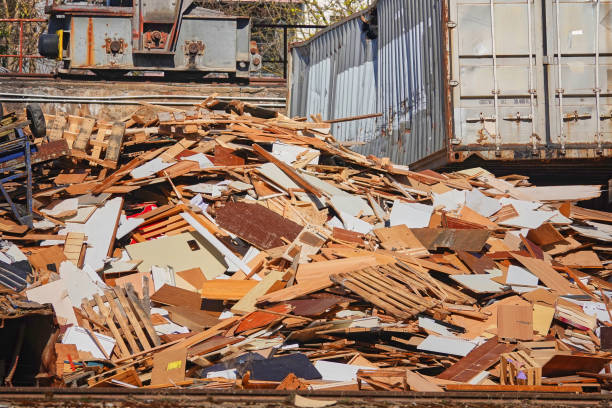
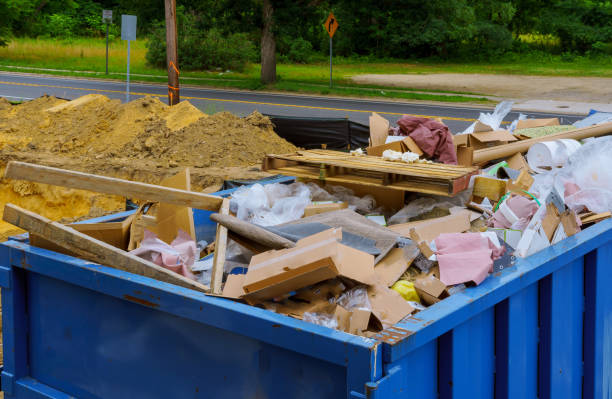
The nature of the materials being removed sets demolition cleanup apart from junk removal. Demolition cleanup often involves concrete, bricks, roofing materials, metals, and other construction-related debris that can be heavy, sharp, or toxic. Junk removal typically focuses on items like old furniture, clothing, electronics, and household goods that are generally less hazardous but may still require careful sorting for recycling or donation. Recognizing the difference in waste types is crucial, as it dictates the disposal method, safety precautions, and manpower required, ensuring a smoother and more effective cleanup process.
Proper handling of materials directly affects the environmental impact of disposal. Demolition debris often needs to be separated for recycling or disposed of according to local ordinances, while junk removal may involve donating usable items to charity or responsibly recycling electronics. The distinction between waste types helps clients choose the right service and prevents complications such as fines or hazardous incidents. Companies specializing in each service have the knowledge to manage these materials efficiently, offering peace of mind to homeowners, contractors, and business managers who want clutter-free, safe, and compliant spaces.
Cost Considerations When Choosing Between Demolition Cleanup and Junk Removal
Cost often becomes a deciding factor for property owners evaluating demolition cleanup versus junk removal. Demolition cleanup tends to be more expensive due to the labor-intensive nature of the work, the need for specialized equipment, and the careful handling of construction debris. Junk removal generally costs less since it focuses on lighter, less hazardous materials and can be completed more quickly. Understanding the pricing structures of each service allows clients to budget effectively while still receiving professional, reliable assistance tailored to the specific type of cleanup needed.
Additionally, hidden costs such as permits, disposal fees, or environmental compliance can affect demolition cleanup budgets. Junk removal, while simpler, can still incur costs depending on the volume and type of items being removed. Comparing costs against the scope of work ensures clients make informed decisions and avoid unexpected expenses. By consulting experienced professionals who clearly communicate pricing and service expectations, property owners can achieve a cost-effective solution that meets safety, efficiency, and environmental standards without sacrificing quality.
Time Management Differences Between Demolition Cleanup and Junk Removal
Time is another factor that sets demolition cleanup apart from junk removal. Demolition cleanup projects often require careful planning, phased work, and coordination with multiple contractors, making them more time-consuming. Each phase, from debris removal to disposal, is methodical to ensure safety and compliance. Junk removal, by contrast, can usually be completed in a matter of hours, depending on the volume of items. Recognizing these differences helps clients plan projects realistically, avoiding scheduling conflicts and ensuring that spaces are cleared in a timely manner without unnecessary delays.
The intensity of demolition cleanup requires structured workflows, protective measures, and meticulous separation of materials. Junk removal, while less complex, still benefits from organized execution to maximize efficiency and minimize disruption. Property managers, homeowners, and business owners can optimize their schedules by understanding these time requirements. Engaging professionals who can deliver on deadlines while maintaining safety and compliance is essential, ensuring that both demolition cleanup and junk removal are performed efficiently without compromising quality or environmental responsibility.
Environmental Impact Considerations Between Demolition Cleanup and Junk Removal
Environmental impact is a critical aspect of both demolition cleanup and junk removal, though the approach varies considerably. Demolition cleanup often generates heavy, construction-related waste that must be handled with care to minimize environmental damage. Recycling concrete, metal, and other materials is essential to reduce landfill usage. Junk removal, while producing lighter waste, still requires attention to recycling and responsible disposal of electronics, plastics, and other potentially harmful items. Understanding the environmental implications of each service allows clients to make conscious choices that benefit both the property and the community.
Professionals in each field employ strategies to mitigate environmental harm. Demolition cleanup specialists often collaborate with recycling centers and follow strict guidelines for disposing of hazardous materials, while junk removal teams focus on donating reusable items and separating recyclables efficiently. Clients who prioritize sustainability benefit from these conscientious practices, ensuring that their projects contribute positively to environmental stewardship. By understanding the ecological distinctions between demolition cleanup and junk removal, property owners can select services that align with their sustainability goals without compromising efficiency or safety.
Planning and Preparation Differences for Demolition Cleanup Versus Junk Removal
Preparation plays a vital role in distinguishing demolition cleanup from junk removal. Demolition cleanup requires detailed planning to account for heavy debris, structural considerations, and safety regulations. It often involves pre-inspections, permit acquisition, and scheduling specialized equipment. Junk removal, while still requiring preparation, is generally simpler and focuses on identifying and organizing items to be removed efficiently. Understanding these differences helps clients allocate resources and time appropriately, ensuring that the cleanup process is smooth and that no critical steps are overlooked.
Proper preparation affects both efficiency and safety. Demolition cleanup demands coordination among workers, machinery operators, and disposal services, while junk removal primarily involves manpower and logistics planning. Both require careful attention to detail, but the intensity and complexity differ significantly. Clients benefit by working with professionals experienced in each type of service, as they provide guidance on necessary preparations and ensure that projects are executed seamlessly. Recognizing these distinctions allows for optimized workflows, reduced risk of accidents, and completion of cleanup projects within projected timelines and budgets.
How Professional Expertise Differentiates Demolition Cleanup From Junk Removal
Expertise is often the defining factor between successful demolition cleanup and junk removal projects. Demolition cleanup requires a team trained in handling heavy, potentially dangerous materials and understanding structural hazards. Missteps in this area can lead to serious safety incidents or property damage. Junk removal, while less hazardous, still benefits from professional insight into efficient sorting, transport, and disposal, especially when items include electronics, large furniture, or recyclables. Hiring specialists ensures that both processes are carried out efficiently, safely, and in accordance with regulations.
Professional knowledge also extends to compliance with local ordinances and environmental standards. Demolition cleanup experts are familiar with handling materials such as asbestos, concrete, and metals, while junk removal professionals know the best practices for recycling or donating items. By relying on trained professionals, clients save time, avoid potential fines, and guarantee that the disposal process is handled responsibly. Expertise ensures that cleanup projects, whether large-scale demolitions or residential junk removal, are executed smoothly and sustainably, providing peace of mind for property owners and managers.
Choosing the Right Service for Your Property Needs
Selecting between demolition cleanup and junk removal requires a clear understanding of the project’s scale and material types. Demolition cleanup is ideal for construction projects, renovation sites, or any scenario where structural debris is present. Junk removal suits residential decluttering, office cleanouts, or light commercial projects. Evaluating the nature of the materials and the required safety measures allows property owners to choose the most effective approach, ensuring both efficiency and compliance with regulations. Choosing incorrectly could lead to delays, increased costs, or safety risks, highlighting the importance of understanding each service’s unique capabilities.
Conclusion
Understanding the differences between demolition cleanup and junk removal is crucial for property owners, contractors, and business managers. While both services focus on clearing spaces, demolition cleanup deals specifically with debris from construction or teardown projects, often requiring specialized equipment, safety protocols, and disposal methods. Junk removal, on the other hand, handles general clutter, unwanted items, and household waste, emphasizing efficiency and convenience.
Recognizing these distinctions helps clients choose the right service, ensuring their spaces are cleared safely, responsibly, and effectively. Professional services bring expertise in handling various waste types, streamlining the process while maximizing safety. For reliable assistance with demolition cleanup or junk removal in Roseville, CA, contact Clifford’s Junk Removal at 916-232-3588.