
Demolition cleanup plays a crucial role in conserving natural resources by ensuring that reusable materials are properly sorted and processed. When construction debris, wood, metal, and concrete are carefully separated, they can be recycled or repurposed rather than sent to a landfill. This reduces the demand for virgin materials, lowering the environmental footprint of new construction projects and helping preserve forests, mineral deposits, and other valuable ecosystems. Recycling also decreases energy consumption associated with producing raw materials, which contributes to reduced greenhouse gas emissions.
Furthermore, proper demolition cleanup prevents hazardous materials such as asbestos, lead paint, and chemicals from contaminating soil and water sources. By employing specialized handling and disposal methods, waste that could harm wildlife or nearby communities is kept under control. The practice encourages sustainable construction habits and ensures that the lifecycle of materials is extended, reducing the environmental impact of demolition activities and promoting a circular economy in the building industry.
Reducing Landfill Waste Through Demolition Cleanup
Every demolition project generates significant waste, and without a structured cleanup, much of it ends up in overflowing landfills. By implementing comprehensive demolition cleanup strategies, debris such as concrete, brick, wood, and metals can be diverted from landfills and instead recycled or reused. This process not only conserves landfill space but also minimizes the release of methane and other harmful gases that arise from decomposing waste. The reduction of landfill waste is essential for maintaining soil quality, protecting groundwater, and promoting healthier communities around construction zones.
Additionally, demolition cleanup reduces the need for new waste management infrastructure, lowering costs and energy use. By systematically segregating debris, demolition contractors can identify materials suitable for resale or donation, turning what would be waste into valuable resources. Recycling programs further amplify environmental benefits by cutting down transportation-related emissions, ensuring that cleanup operations are efficient, responsible, and aligned with broader sustainability goals. This approach represents a proactive step toward mitigating the ecological footprint of construction and demolition.
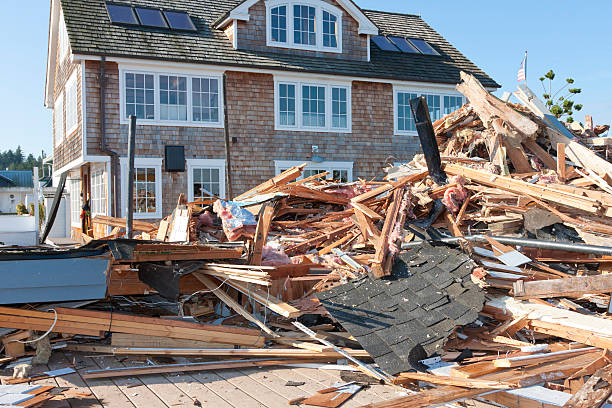
Promoting Air Quality With Responsible Demolition Cleanup
Dust, particulates, and airborne pollutants are often byproducts of demolition work, negatively affecting air quality in surrounding neighborhoods. Effective demolition cleanup incorporates dust control measures, proper debris handling, and removal strategies that reduce the amount of particulate matter released into the atmosphere. By containing dust and using specialized equipment for debris collection, demolition teams prevent respiratory hazards, protect workers, and limit air pollution in nearby communities. Cleaner air contributes to better public health and aligns demolition projects with environmental safety standards.
Proper cleanup also involves sorting and disposing of materials that can release toxins when left exposed. For instance, certain treated wood or painted surfaces can emit harmful volatile organic compounds if mishandled. By responsibly managing these materials during and after demolition, cleanup crews minimize contamination risks. This comprehensive approach ensures that demolition activities are not just about removing structures, but about maintaining a healthier environment. It highlights the critical connection between careful waste management and long-term air quality preservation.
Saving Energy With Efficient Demolition Waste Management
Energy consumption in the construction industry is significant, and demolition cleanup can indirectly contribute to energy savings. By recycling metals, concrete, and wood, less energy is required to produce these materials from scratch. For example, recycled steel uses far less energy in manufacturing compared to newly mined ore. This conservation translates into reduced carbon emissions and a smaller environmental footprint for future construction projects. Energy savings from demolition waste management make the building sector more sustainable while promoting a greener approach to urban development.
Beyond material recycling, efficient cleanup reduces unnecessary transportation of debris to distant disposal sites. Fewer trips mean lower fuel usage and fewer emissions from trucks. Additionally, organized sorting and storage of demolition debris can shorten project timelines, decreasing the energy needed to operate machinery and equipment. In essence, an environmentally conscious cleanup plan maximizes the utility of existing resources while minimizing the energy costs and emissions associated with construction waste, fostering a more eco-friendly industry.
Protecting Soil and Water Through Proper Cleanup
Construction and demolition debris, if improperly disposed of, can leach harmful chemicals into the soil and waterways. Substances like paints, solvents, and treated timber have the potential to contaminate ecosystems, affecting plants, animals, and human populations. A thorough demolition cleanup identifies these materials and ensures they are safely removed and treated, mitigating the risk of soil and water contamination. By maintaining a rigorous cleanup standard, contractors contribute to the long-term health of the surrounding environment and prevent irreversible damage to natural resources.
In addition to protecting soil and water, proper cleanup also safeguards against erosion and sediment runoff. Debris piles left unchecked can disrupt drainage patterns, increase flooding risks, and degrade landscapes. Implementing responsible cleanup procedures maintains the structural integrity of construction sites and surrounding land. When demolition projects consider environmental safeguards in their planning and execution, the result is a safer, cleaner, and more resilient ecosystem capable of supporting both human and wildlife communities.
Encouraging Sustainable Construction Practices
Demolition cleanup is an essential component of sustainable construction practices, which prioritize environmental responsibility and resource efficiency. By integrating cleanup strategies into project planning, construction teams can reduce material waste, maximize recycling, and implement eco-friendly disposal methods. This mindset extends beyond the demolition phase, encouraging architects, contractors, and builders to adopt sustainability principles in every stage of construction. The result is a holistic approach that values long-term environmental stewardship over short-term convenience or cost-saving measures.
Additionally, cleanup initiatives inspire innovation in material reuse and recycling technologies. For example, wood from demolished buildings can be repurposed for furniture or flooring, while concrete can be crushed for aggregate in new projects. These sustainable practices create economic opportunities while reducing reliance on virgin materials. Demolition cleanup thus functions not only as a waste management task but as a catalyst for broader environmental awareness and responsible construction habits. By setting these standards, the industry moves toward a more sustainable and resource-conscious future.
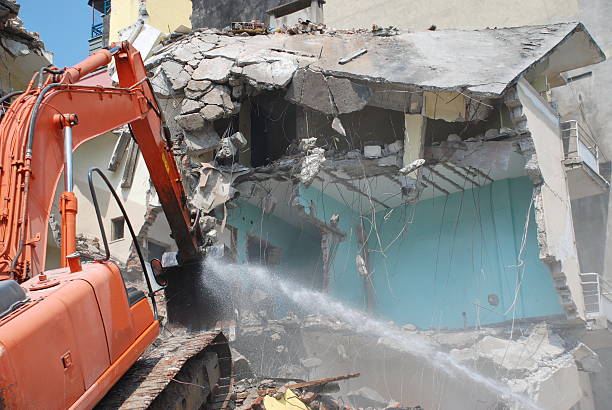
Minimizing Greenhouse Gas Emissions From Demolition
Demolition projects contribute to greenhouse gas emissions in multiple ways, from heavy machinery operation to landfill methane production. Responsible cleanup mitigates these emissions by prioritizing recycling and reducing the amount of waste sent to landfills. Reusing materials means fewer emissions from the extraction, transport, and processing of new resources. In addition, efficient debris handling and site management can reduce fuel consumption from machinery and trucks, directly impacting the carbon footprint of the demolition process.
When demolition cleanup is approached with environmental considerations, the benefits extend to the atmosphere as well as the local environment. By capturing and diverting reusable materials, construction projects contribute to lower emissions and a more stable climate. This proactive approach demonstrates that careful planning and cleanup are not just operational necessities but essential strategies in the fight against climate change. It reinforces the importance of responsible waste management as an integral component of environmentally conscious demolition.
Promoting Wildlife Protection Through Cleanup Efforts
Construction and demolition sites often encroach on habitats where wildlife resides. Improper disposal of debris can disrupt local ecosystems, introduce toxic materials, and create unsafe conditions for animals. By prioritizing environmental cleanup, demolition teams prevent pollution and physical hazards from affecting nearby wildlife. Removing hazardous debris, recycling materials, and controlling dust and runoff helps maintain habitat integrity and allows animals to thrive in areas adjacent to construction projects.
Moreover, demolition cleanup encourages the use of biodegradable or less harmful materials in future projects. By studying the environmental impacts of construction debris, contractors can implement practices that minimize wildlife disruption. These efforts demonstrate a commitment to ecological stewardship, ensuring that human activities do not irreparably harm surrounding flora and fauna. When demolition cleanup is conducted responsibly, the balance between development and nature is maintained, fostering coexistence and sustainability.
Reducing Environmental Costs Through Demolition Management
The environmental costs of poorly managed demolition are substantial, including land degradation, pollution, and resource depletion. Effective cleanup strategies help reduce these costs by recycling valuable materials, limiting contamination, and conserving energy. By viewing cleanup as an investment rather than an afterthought, construction projects can lower long-term environmental liabilities while improving compliance with regulations. Proactive waste management also enhances public perception and supports community engagement in sustainable practices.
Furthermore, reducing environmental costs benefits businesses financially and socially. Companies that adopt responsible demolition cleanup can avoid fines, mitigate cleanup emergencies, and enhance their reputation as environmentally conscious organizations. Integrating cleanup into project planning optimizes efficiency and promotes sustainability, demonstrating that economic and ecological interests can align. By minimizing environmental costs, demolition projects become a model for responsible development that balances growth with ecological preservation.
Building a Circular Economy With Demolition Waste
Demolition cleanup is a critical step toward a circular economy where materials are continuously reused and repurposed. By carefully separating wood, metal, concrete, and other debris, construction teams create a pipeline of materials that can re-enter the market rather than being discarded. This approach reduces waste, conserves resources, and decreases environmental pressure caused by extraction and production of new materials. A circular economy encourages innovation, efficiency, and sustainable growth in the construction industry.
Additionally, circular practices in demolition encourage collaboration between builders, recyclers, and manufacturers. Materials reclaimed from cleanup can feed into new projects, reducing the need for virgin resources and lowering emissions. Such an approach transforms demolition from a purely destructive process into a valuable contributor to sustainability. By prioritizing circularity, construction projects demonstrate that environmental responsibility and economic benefit can coexist, leading to greener urban development and long-lasting ecological advantages.
Conclusion
Demolition cleanup is more than just a logistical task—it’s an essential environmental practice that conserves natural resources, safeguards ecosystems, and encourages sustainable construction. Proper cleanup reduces landfill waste, saves energy, protects air and water quality, and supports wildlife, significantly lessening the ecological impact of demolition projects. These responsible practices also inspire innovation in material reuse and recycling within the construction industry.
For professional demolition cleanup services that prioritize environmental responsibility, Clifford’s Junk Removal offers thorough and eco-conscious solutions. Based in Roseville, CA, they provide reliable service for both residential and commercial projects. Contact them at 916-232-3588 to schedule a cleanup or to learn more about their environmentally friendly demolition practices.