
Removing concrete from a property can seem daunting, but breaking it down systematically ensures both efficiency and safety. Begin by assessing the size and thickness of the concrete. Small slabs can be tackled with a sledgehammer, while larger or reinforced sections may require specialized tools such as jackhammers. Safety precautions like wearing heavy-duty gloves, steel-toed boots, and eye protection are crucial. Planning the removal process in stages allows for more controlled work, reducing the risk of injury or accidental damage to surrounding structures.
Once broken, handling the debris requires attention to both logistics and safety. Concrete chunks should be stacked strategically, keeping walkways clear and minimizing tripping hazards. For reinforced concrete, carefully separate any metal rebar to prevent accidents and ensure proper disposal. Organizing debris before transportation not only simplifies cleanup but also reduces the number of trips required for hauling, saving both time and resources.
Tools and Equipment Needed for Concrete Removal
Concrete removal demands the right combination of tools and equipment to ensure the task is manageable. Common hand tools like sledgehammers, chisels, and pry bars are suitable for small-scale jobs, but heavy-duty equipment such as jackhammers or concrete saws may be essential for larger projects. Renting or purchasing these tools depends on the scope of the work, and using the correct tool for the right application ensures safety and efficiency throughout the removal process. Proper maintenance and inspection of equipment before use also prevent malfunctions and potential accidents.
In addition to breaking down the concrete, moving and transporting debris efficiently requires trucks, wheelbarrows, and sturdy containers. A well-prepared workspace allows for quicker removal and reduces the risk of structural damage or personal injury. Combining mechanical assistance with manual labor ensures that even the toughest concrete sections can be handled safely. Strategic use of equipment accelerates progress while minimizing strain on workers, creating a more manageable and professional concrete removal process.
Understanding Safe Concrete Disposal Practices
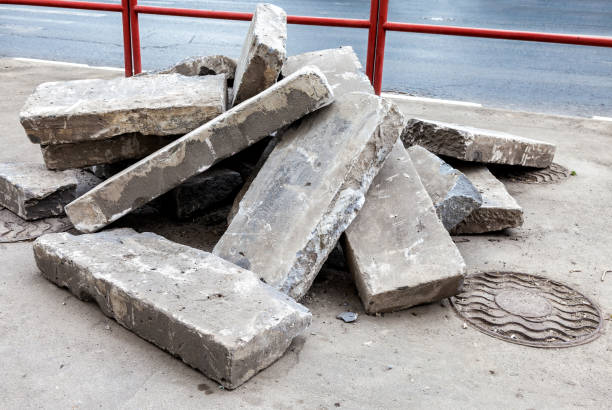
Proper disposal of concrete is just as important as its removal to prevent environmental hazards and regulatory violations. Concrete should never be dumped in unauthorized locations, as it can lead to fines or contamination of soil and water. Recycling facilities and construction waste centers often accept concrete, converting it into usable aggregate for new construction. Sorting concrete from other debris ensures compliance with local disposal regulations while promoting eco-friendly recycling practices.
Handling concrete responsibly also protects workers and property. Avoid overloading containers and maintain clear access routes for transportation. By carefully planning disposal, property owners can reduce the impact on the environment while streamlining cleanup. Partnering with professional services ensures that concrete is managed efficiently from demolition to transport, minimizing stress and liability while supporting sustainable building practices in the community.
Techniques for Efficient Concrete Breaking
Efficiency in concrete breaking is achieved through strategic planning and technique. Start by scoring lines along the surface of the slab using a concrete saw to guide the breaks. This reduces random cracking and creates manageable pieces that are easier to remove. Utilizing leverage with crowbars and wedges enhances the ability to lift and break apart sections safely. Patience and controlled force prevent accidents and ensure the integrity of surrounding areas.
For larger projects, mechanical assistance can significantly increase efficiency. Jackhammers and hydraulic splitters allow for rapid disassembly of thick slabs or reinforced concrete sections. Alternating between mechanical and manual methods provides a balanced approach that reduces fatigue and maintains consistent progress. By combining skillful technique with appropriate equipment, concrete breaking becomes a predictable, controlled, and safe process for any scale of project.
Preparing Your Site Before Concrete Removal
Proper site preparation lays the foundation for smooth and safe concrete removal. Start by clearing the area of furniture, plants, or obstacles to prevent damage and maintain a safe working environment. Mark boundaries to designate removal zones and ensure that workers and bystanders are aware of potential hazards. Identifying underground utilities and piping is critical to avoid accidental disruption during demolition.
Creating a structured workflow helps streamline both removal and cleanup. Establishing staging areas for broken concrete pieces allows for organized transport and reduces congestion on the site. Covering nearby surfaces with protective materials minimizes dust and debris spread. Thoughtful preparation not only enhances safety but also accelerates the project timeline, ensuring that concrete removal proceeds efficiently without unnecessary interruptions or hazards.
Managing Reinforced Concrete Challenges
Reinforced concrete presents unique challenges due to embedded steel rebar, which complicates demolition and disposal. Begin by identifying the rebar structure and planning cuts to separate the concrete effectively. Heavy-duty cutters or bolt shears may be required to manage thicker steel sections safely. Handling reinforced pieces requires additional caution to avoid injury or equipment damage.
Once broken, separating the steel from the concrete enables proper recycling and disposal. Steel can often be sold or donated, while concrete can be recycled as aggregate. Managing these components individually reduces landfill waste and promotes environmentally responsible practices. Proper planning and technique ensure that even the most complex reinforced concrete sections are dismantled efficiently, safely, and sustainably.
Reducing Dust and Debris During Removal
Concrete removal generates significant dust and debris, which can pose health hazards and environmental concerns. Using water sprays or misting during breaking minimizes airborne dust particles, reducing inhalation risks for workers and bystanders. Protective gear, including masks and goggles, further shields individuals from exposure. Containing debris within designated zones prevents it from spreading into adjacent areas or clogging drains.
Proper debris management also improves project efficiency. Collecting broken concrete into manageable piles or containers streamlines transportation while maintaining a tidy workspace. Vacuum systems or debris chutes can assist in directing smaller fragments into designated collection points. By actively controlling dust and debris, concrete removal becomes cleaner, safer, and more professional, enhancing both the quality and perception of the worksite.
Hiring Professionals for Complex Concrete Projects
While smaller concrete removal tasks may be manageable for property owners, complex projects often require professional intervention. Experienced contractors bring the expertise, tools, and manpower needed for large slabs, reinforced concrete, or hard-to-reach areas. Their knowledge ensures that demolition is completed efficiently while minimizing damage to surrounding structures and landscaping.
Professionals also handle transportation and disposal logistics, navigating regulations and recycling options with ease. By hiring experts, property owners save time and avoid the physical strain of manual labor. Partnering with trusted concrete removal services ensures that every step, from breaking to disposal, is managed safely, responsibly, and in accordance with local codes, making the project smoother and more reliable overall.
Cost Considerations for Concrete Removal Services
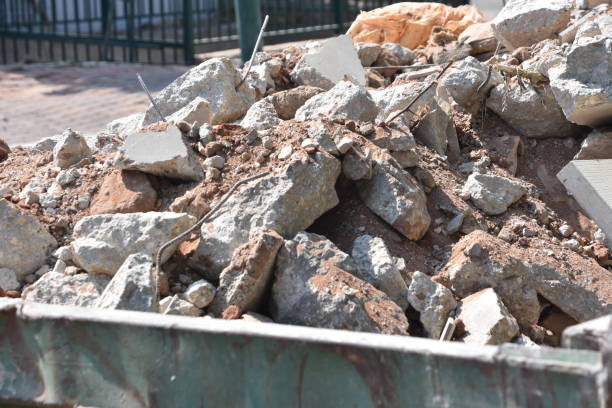
Understanding the cost factors involved in concrete removal is essential for property owners aiming to budget effectively and avoid unexpected expenses. The overall cost is influenced by several elements, including the size and thickness of the concrete slab, the presence of reinforcement like steel rebar, and the accessibility of the removal site. Labor constitutes a significant portion of the expense, as skilled workers are required to operate heavy-duty tools safely. Equipment rental or purchase, such as jackhammers, saws, and containers, can also impact costs depending on the complexity of the project. Additionally, disposal fees and potential site preparation, including clearing obstacles or leveling surfaces, contribute to the total investment. Property owners should carefully compare multiple service providers to ensure they receive competitive pricing without compromising safety or quality.
Efficiency, planning, and project management can play a crucial role in controlling costs. Organizing the work to minimize transportation trips, reduce material handling, and leverage specialized equipment allows for more cost-effective operations. Scheduling labor and machinery strategically prevents downtime and accelerates project completion. Clear communication with service providers about project scope, specific site conditions, and accessibility issues helps prevent hidden charges or delays. Considering factors such as disposal methods, recycling opportunities, and required permits further supports accurate budgeting. By taking a holistic approach to cost management, property owners can make informed decisions, allocate resources wisely, and ensure concrete removal is conducted safely, efficiently, and within budget.
Eco-Friendly Concrete Disposal Alternatives
Adopting eco-friendly practices for concrete disposal offers significant environmental benefits while promoting sustainability in construction and demolition projects. Instead of sending concrete to landfills, recycling it into aggregate for new construction, roadbeds, or landscaping projects transforms waste into valuable resources. This process reduces the consumption of natural materials, lowers carbon emissions associated with producing new concrete, and helps minimize overall environmental impact. Sorting and processing concrete before disposal ensures maximum recycling efficiency, separating metals like rebar from the concrete for proper handling. Responsible disposal not only reduces waste but also contributes to the creation of new materials for future building projects, demonstrating a commitment to sustainable practices.
Partnering with professional concrete removal services that are knowledgeable in eco-friendly disposal further supports regulatory compliance and sustainability goals. These experts understand local guidelines for construction waste, identify appropriate recycling centers, and manage logistics efficiently. Implementing green disposal methods also improves a property owner’s or contractor’s reputation by showcasing environmental responsibility. Even large-scale projects involving reinforced or hard-to-access concrete can benefit from innovative disposal strategies that reduce landfill pressure. By embracing these sustainable practices, property owners and contractors not only complete their projects responsibly but also contribute positively to the environment, community, and long-term development goals. Eco-conscious concrete removal transforms a necessary task into an opportunity for environmental stewardship.
Planning Concrete Removal for Residential and Commercial Projects
Effective planning is critical when undertaking concrete removal, as residential and commercial projects present distinct challenges that require tailored strategies. Residential jobs often include driveways, sidewalks, patios, or small foundations, where precision is essential to prevent damage to landscaping, utilities, or neighboring structures. Commercial projects, such as parking lots, warehouse floors, or loading docks, demand coordination to minimize disruption to daily operations and ensure worker safety in busy environments. Evaluating the project scale, structural complexity, and site-specific factors helps establish an accurate plan for labor allocation, equipment usage, and safety protocols. Proper assessment prevents delays, mitigates hazards, and ensures the project runs smoothly.
Creating a comprehensive timeline that addresses every stage of the removal process is equally important. Estimating the number of workers, type of equipment required, and transportation logistics enables property owners and contractors to execute projects efficiently. Strategic staging areas for debris collection, safe access paths for heavy machinery, and protective measures for adjacent areas contribute to a more organized workflow. Careful scheduling of preparation, demolition, and disposal activities minimizes downtime and reduces stress for all involved. Thoughtful planning allows for flexibility in handling unexpected obstacles while maintaining safety, cost control, and overall efficiency. By addressing these considerations, concrete removal can be executed successfully, whether for small residential upgrades or large-scale commercial renovations.
Conclusion
Concrete removal and disposal can be a demanding task, but with proper planning, the right tools, and responsible disposal methods, the process becomes much more manageable. Whether you are handling a residential renovation or a commercial project, following a systematic approach ensures efficiency, safety, and environmental responsibility throughout. For property owners who prefer professional help, Clifford’s Junk Removal in Roseville, CA, offers dependable and comprehensive concrete removal services from start to finish.
Their experienced team handles every step, from breaking up and removing concrete to proper disposal, taking the stress out of your project. To schedule service or get more information, contact Clifford’s Junk Removal at 916-232-3588. Their Roseville team is ready to provide expert assistance tailored to your needs.