Retail stores can quickly accumulate items that are no longer useful, from outdated promotional displays to excess inventory. Allowing this clutter to linger not only consumes valuable floor and storage space but can also make your store feel cramped and uninviting to customers. Implementing a systematic approach to junk management helps maintain a clean, organized environment, ensuring that products are the main focus rather than discarded materials. Retailers who routinely remove excess items create a more efficient shopping experience, reduce hazards, and foster a positive atmosphere for employees and shoppers alike.
Efficient junk removal also supports operational efficiency. By clearing away unneeded items, staff can access shelves, stockrooms, and work areas more easily, reducing time wasted searching for tools or inventory. It also allows for better inventory management, as remaining products are easier to count, organize, and monitor. Retailers benefit from reduced stress and improved productivity while maintaining a professional presentation that enhances customer trust and satisfaction. Regular cleanouts can even highlight hidden potential, such as unused space that could be repurposed for displays or seasonal promotions, maximizing store value.
Identifying What Can Be Removed Immediately
The first step in dealing with retail clutter is identifying items that can be removed without hesitation. Often, this includes expired products, broken display pieces, packaging materials, or promotional signage that is no longer relevant. Establishing a clear distinction between useful inventory and junk prevents the accidental disposal of items still in demand. Retailers can benefit from categorizing items based on urgency for removal, allowing for a structured cleanup process. This assessment also reduces decision fatigue and ensures that cleanouts are conducted efficiently, leaving only items that contribute directly to daily operations or sales.
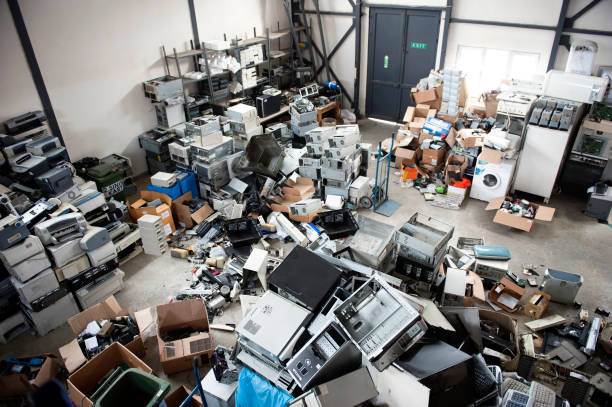
Once items are identified, consider their proper disposal or donation channels. Recyclable materials, like cardboard, plastics, and paper, should be separated to minimize environmental impact. Old electronics or appliances require specialized handling to prevent harm from hazardous components. Unsold but still usable products can be donated to local charities, creating goodwill in the community while clearing space. This methodical approach not only reduces clutter but also aligns retail operations with responsible business practices, ensuring that junk removal contributes to both store efficiency and community benefit.

Optimizing Storage Areas to Reduce Accumulation
Storage spaces are often the first areas to become overwhelmed with retail junk. Overstocked shelves, abandoned boxes, and seasonal inventory can quickly create chaos. Optimizing storage areas involves reorganizing shelving, installing modular units, and implementing labeling systems. By clearly marking zones for different categories, employees can quickly locate products and identify items no longer needed. Efficient storage practices reduce time wasted navigating clutter and prevent overstocking, which often contributes to unnecessary accumulation of junk. Proper layout planning can transform a cramped storage room into a streamlined space that supports smooth operations and inventory management.
Beyond organization, consider the strategic use of vertical space and compact storage solutions. Using stackable bins, adjustable racks, or hanging systems maximizes available area without overcrowding. Introducing regular inventory audits ensures that items are continuously evaluated, with outdated or damaged goods removed promptly. This proactive approach prevents junk from becoming a persistent problem and promotes a culture of cleanliness and efficiency. Optimized storage not only improves employee productivity but also contributes to a safer, more professional retail environment that enhances both staff morale and customer experience.
Scheduling Regular Retail Cleanouts
Consistency is key when managing retail junk. Scheduling regular cleanouts ensures that clutter does not accumulate to unmanageable levels. Weekly or monthly reviews of backrooms, sales floors, and storage areas can help maintain a controlled environment. These scheduled sessions allow employees to stay proactive, quickly addressing items that no longer serve the business without interrupting daily operations. Over time, this practice reduces the stress of large-scale cleanups and fosters a culture of organization and responsibility throughout the team. Retailers who prioritize regular maintenance avoid the pitfalls of clutter, preserving both efficiency and aesthetics in their stores.
In addition, planned cleanouts provide an opportunity to assess the store layout and operational workflow. They allow staff to identify recurring problem areas, such as surplus packaging or seasonal product leftovers, and adjust processes accordingly. By monitoring trends in junk accumulation, management can implement preventive measures, such as downsizing over-ordered inventory or refining storage procedures. Consistent scheduling of cleanouts demonstrates to employees and customers that the business values organization and safety, ultimately improving operational consistency, reducing hazards, and maintaining a professional, welcoming retail space.
Leveraging Professional Junk Removal Services
Sometimes, retail stores need more than internal efforts to manage excess junk. Professional junk removal services provide efficient solutions for large or persistent clutter. Experts bring the equipment, manpower, and expertise to handle items safely and responsibly, saving retail staff valuable time and effort. They also ensure compliance with disposal regulations, particularly for electronics, hazardous materials, or bulk waste. By outsourcing to specialists, retailers can focus on core business functions while gaining peace of mind that unwanted items are managed effectively and sustainably.
Professional services also enhance flexibility in scheduling cleanouts. Whether it’s after-hours removal to avoid disrupting customers or a one-time deep clean, retailers can customize service plans to match their operational needs. Additionally, these companies often offer eco-conscious disposal methods, such as recycling, donation, or proper landfill procedures, aligning with modern business values. By leveraging professionals, retail stores can maintain a clutter-free environment efficiently, reinforcing operational efficiency, customer satisfaction, and corporate responsibility.
Repurposing and Donating Excess Inventory
Excess inventory doesn’t always have to end up as waste. Repurposing or donating surplus products is a practical and socially responsible approach. Items that remain functional can be sold at discounted rates, used in promotions, or gifted to local organizations. Such actions reduce storage strain while benefiting the community or charitable organizations. Repurposing also allows creative reuse of materials for displays or operational needs, transforming what might have been discarded into valuable resources. Retailers who adopt this mindset not only reduce waste but also demonstrate corporate social responsibility, which can resonate positively with customers and employees alike.
Donating items to charities, schools, or community programs offers multiple advantages. It declutters retail space while supporting causes that align with the business’s values. Customers may perceive the brand more favorably, and employees often feel proud to contribute to meaningful initiatives. When combined with a structured inventory review, donation strategies can be seamlessly integrated into regular store operations. This approach ensures that excess items are handled thoughtfully, reducing environmental impact while reinforcing the business’s commitment to sustainable and ethical practices.
Preventing Clutter Through Inventory Management
One of the most effective ways to manage retail junk is preventing accumulation in the first place. Accurate inventory management is key. Implementing advanced tracking systems, adjusting order volumes based on demand trends, and rotating stock efficiently reduce the likelihood of overstocking. Retailers can forecast product movement more effectively, ensuring that excess items don’t pile up in storage or sales areas. Proactive inventory management not only limits unnecessary clutter but also enhances profitability by reducing wasted resources, missed sales opportunities, and storage costs.
Alongside technology, employee training plays a crucial role in preventing junk buildup. Staff should be familiar with inventory protocols, including receiving, shelving, and returning items to storage. Encouraging awareness of expiration dates, product conditions, and seasonal trends empowers employees to manage stock responsibly. By combining robust systems with knowledgeable staff, retailers can significantly minimize the accumulation of unwanted items, maintaining a clean and efficient store while promoting sustainable business practices.
Incorporating Eco-Friendly Disposal Practices
Retailers today are increasingly expected to manage waste responsibly. Eco-friendly disposal practices ensure that junk removal contributes positively to environmental sustainability. Recycling cardboard, plastics, and metals, properly handling electronics, and donating usable products all minimize the ecological impact of retail operations. Stores that adopt green disposal methods demonstrate a commitment to environmental stewardship, which can strengthen brand image and appeal to conscientious customers. Incorporating these practices requires planning, but the long-term benefits in both operational efficiency and public perception are substantial.
Moreover, eco-friendly strategies can align with cost-saving measures. Reducing landfill fees, participating in recycling programs, or utilizing donation tax benefits can offset operational expenses. Staff can be trained to segregate waste, identify recyclable materials, and ensure that disposal follows environmentally responsible procedures. Retailers who integrate green practices into regular cleanouts foster sustainability while maintaining functional, organized, and professional spaces. The combination of operational efficiency and ecological responsibility enhances both store performance and reputation.
Managing Seasonal and Promotional Clutter
Retail spaces experience periods of heightened activity during sales, holidays, and promotional events. These times often generate excess materials such as banners, display props, packaging, and unsold seasonal inventory. Without proper management, these items can quickly overwhelm the store environment. Planning ahead for seasonal cleanups allows retailers to anticipate the accumulation of junk, allocate storage space effectively, and streamline removal after events. Proper handling prevents clutter from disrupting daily operations and ensures that sales periods remain productive and appealing to customers.
In addition, storing seasonal items efficiently between events reduces waste and maximizes longevity. Modular storage, clear labeling, and protective covering can preserve items for reuse, reducing costs associated with replacements. Regular post-event cleanouts also create opportunities to reassess promotional strategies, refine display approaches, and eliminate unnecessary materials. By proactively managing seasonal clutter, retail stores maintain a polished, organized, and customer-friendly environment throughout the year.
Monitoring and Adapting Junk Removal Strategies
A successful junk management program requires ongoing evaluation and adaptation. Retailers should monitor which items accumulate most frequently, which disposal methods work best, and how operational adjustments impact clutter. Tracking these patterns allows stores to refine strategies over time, implementing preventive measures and efficient removal routines. Regular reviews of processes help ensure that cleanouts remain effective, staff responsibilities are clear, and resources are used optimally. Continuous improvement promotes both store efficiency and a healthier, more organized work environment.
Adapting strategies also involves staying informed about disposal regulations, recycling opportunities, and industry best practices. Retailers can explore new partnerships with professional removal services or eco-friendly vendors to optimize operations. By combining monitoring, evaluation, and adaptation, stores can maintain long-term control over junk accumulation. This proactive approach ensures that retail spaces remain clean, efficient, and visually appealing, while supporting sustainability goals and enhancing overall business performance.
Conclusion
Effectively managing excess junk in a retail store requires a combination of organization, proactive inventory management, and professional support. Regular cleanouts, repurposing or donating items, and optimizing storage and disposal methods help retailers maintain a clutter-free environment, enhancing both operational efficiency and customer satisfaction. Partnering with a professional service ensures safe, responsible, and eco-friendly handling of unwanted materials, reducing stress and saving time.
For dependable retail junk removal assistance, Clifford’s Junk Removal is ready to help. Based in Roseville, CA, they provide efficient, reliable, and environmentally conscious services tailored to your store’s needs. Contact them at 916-232-3588 to schedule service or learn more about their solutions for keeping your retail space organized and clutter-free.