Maintaining a clutter-free environment in a restaurant or café is crucial for operational efficiency. Kitchens, storage rooms, and dining areas often accumulate unnecessary items that obstruct movement and slow service. By identifying and removing outdated equipment, broken furniture, and unused supplies, businesses can reclaim valuable space for high-demand tasks. This creates a smoother workflow for staff, reducing time spent navigating through crowded spaces and minimizing the risk of accidents.
Efficient junk removal also impacts customer experience positively. A clean, organized restaurant promotes a sense of professionalism and comfort, encouraging repeat visits. Regularly assessing storage areas and implementing systematic disposal of unneeded items ensures that only essential equipment remains accessible. Over time, this practice not only enhances operational speed but also supports a healthier, safer environment for employees and patrons alike.
Implementing Eco-Friendly Disposal Practices
Restaurants and cafes generate significant waste daily, much of which can be hazardous if not handled properly. Incorporating eco-friendly disposal methods ensures that items like outdated appliances, electronics, and packaging materials are removed responsibly. Recycling and donating items whenever possible reduces landfill contributions and reflects a business’s commitment to sustainability. Adopting green practices also aligns with increasingly environmentally conscious customer expectations.
Proper junk removal extends beyond mere disposal. Sorting waste into categories such as recyclables, organic matter, and non-recyclables streamlines collection and minimizes contamination. Staff training is essential to maintain these practices consistently. By combining strategic planning with environmentally responsible methods, restaurants can efficiently manage waste while fostering a cleaner, greener workspace. Over time, these initiatives improve operational efficiency and strengthen a brand’s reputation among eco-aware patrons.
Maximizing Storage Efficiency in Food Service Areas
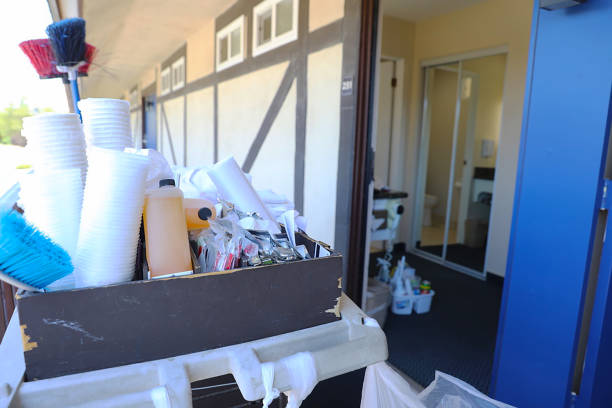
Cluttered storage areas can create chaos in food service operations, leading to misplaced inventory and slow preparation times. Implementing efficient junk removal allows businesses to reassess storage strategies and optimize space utilization. Removing old, damaged, or surplus items ensures that only frequently used equipment and ingredients are accessible, improving overall organization.
Strategic storage maximization also aids in inventory management. With clear shelving and well-arranged supplies, staff can quickly locate necessary items, reducing errors and waste. Allocating space according to priority and usage frequency streamlines daily operations while lowering stress for employees. Regularly conducting cleanouts keeps storage areas tidy and functional, ultimately enhancing operational flow and overall business efficiency.
Reducing Health Hazards Through Regular Cleanouts
Neglected areas in restaurants and cafes often harbor bacteria, mold, and pests, which can compromise food safety. Routine junk removal is essential for minimizing these risks, particularly in kitchens and storage spaces. By discarding broken appliances, expired supplies, and unneeded clutter, businesses create safer environments for both staff and customers.
Health compliance and sanitation are directly linked to organizational habits. Establishing a consistent junk removal schedule prevents hazardous buildup and facilitates deep cleaning. Employees can focus on maintaining hygiene standards without obstruction, and restaurants can avoid costly violations or negative customer experiences. A proactive approach to removing excess or outdated items ensures that health regulations are easily met while supporting a pleasant and safe atmosphere.
Enhancing Customer Experience Through Clean Environments
The ambiance of a restaurant or café significantly influences customer satisfaction. Overcrowded spaces or visible clutter can detract from the dining experience, even when food quality is high. Removing unnecessary furniture, outdated décor, and damaged items immediately elevates the visual appeal of a restaurant, creating a more inviting and comfortable setting for patrons.
A well-maintained space also encourages efficiency in service. Waitstaff can move freely between tables, and kitchen staff benefit from organized prep areas. Clean, unobstructed dining areas demonstrate professionalism and attention to detail, instilling trust in customers. Regular junk removal transforms the atmosphere, reflecting a business that values cleanliness and customer comfort, ultimately fostering loyalty and positive word-of-mouth.
Streamlining Waste Management Systems
Effective waste management begins with evaluating how junk accumulates in restaurants and cafes. Overflowing storage and improperly discarded materials can hinder operations and create safety hazards. By implementing systematic junk removal practices, businesses gain control over waste generation, making recycling, composting, and disposal more efficient.
Structured systems enhance operational workflow by clearly defining what items should be kept, recycled, or discarded. Staff can quickly adhere to guidelines, minimizing confusion and mistakes. With designated disposal areas and scheduled cleanouts, restaurants reduce clutter and maintain safer, more organized spaces. This approach not only improves internal efficiency but also demonstrates environmental responsibility to customers and regulatory authorities alike.
Optimizing Kitchen Layouts Through Targeted Cleanouts
Kitchen spaces in restaurants and cafes are often the heart of operations, yet they can quickly become overcrowded with appliances, utensils, and supplies that are rarely used. Over time, this accumulation can slow down workflow, create confusion, and increase the risk of accidents. Conducting targeted cleanouts removes these excess items and allows for a more ergonomic kitchen layout. Streamlined workstations make food preparation and service more efficient, reducing unnecessary steps and minimizing staff movement. Clear, organized spaces improve operational speed, allowing employees to focus on core tasks without navigating through clutter or searching for equipment.
Beyond improving workflow, optimized kitchens simplify staff training and adaptation. Clearly defined zones for storage, prep, cooking, and plating allow new employees to understand the workflow quickly, reducing the learning curve and minimizing mistakes. Systematic junk removal encourages management to periodically evaluate space utilization, ensuring that equipment and supplies are stored according to priority and frequency of use. Over time, this approach results in a functional, safer, and more productive kitchen environment. Employees can perform their duties with confidence, and diners enjoy faster, more efficient service. By combining organization, safety, and efficiency, targeted cleanouts ultimately enhance operational performance while fostering a professional and welcoming atmosphere in the kitchen.
Saving Costs by Reducing Clutter
Clutter in restaurants and cafes is more than an aesthetic issue—it can directly impact a business’s bottom line. Excess items that are broken, outdated, or rarely used occupy valuable space and contribute to hidden costs, such as lost inventory, damaged equipment, and inefficient operations. Conducting regular junk removal eliminates these unnecessary expenses and frees up room for essential tools and ingredients. By investing time in organized disposal, restaurants can reduce replacement costs, maintain better inventory control, and allocate resources more effectively. This strategic approach improves operational budgeting and ensures that every dollar invested has a higher impact on business efficiency.
Clutter-free environments also support the maintenance and longevity of appliances, furniture, and kitchen equipment. When workspaces are organized, staff can access and care for items properly, preventing damage caused by overcrowding or misplacement. Additionally, a well-managed space allows for better tracking of inventory, ensuring ingredients and supplies are used before expiration, reducing waste, and improving cost-efficiency. Over time, proactive junk removal transforms a cluttered, chaotic space into a highly organized, functional environment. By focusing on efficiency, restaurants save money, extend the life of their equipment, and create an orderly setting that enhances both operational performance and customer experience.

Improving Staff Productivity with Organized Spaces
The efficiency of a restaurant or café largely depends on the condition of its workspaces. Disorganized kitchens, storage areas, and prep stations create obstacles that slow down service, cause unnecessary stress, and increase the likelihood of mistakes. Removing non-essential items ensures that employees can focus on their key tasks without interference, enabling smoother workflows, faster food preparation, and improved table turnover. A well-organized environment allows staff to perform duties more effectively while reducing physical strain caused by navigating cluttered spaces.
In addition to operational speed, clean and organized spaces have a profound impact on employee morale and job satisfaction. Staff members are more likely to adhere to operational standards when they can easily access the tools and ingredients they need. Predictable, orderly work areas reduce fatigue, prevent errors, and create a safer, more pleasant environment. Implementing regular junk removal programs establishes a culture of organization and efficiency, reinforcing professional habits that benefit both employees and the business. Over time, an organized workspace supports a productive, motivated team, resulting in consistently high service quality and a better dining experience for customers.
Preventing Accidents with Proper Junk Management
Cluttered floors, crowded storage areas, and misplaced equipment significantly increase the risk of workplace accidents in restaurants and cafes. Slips, trips, falls, and collisions can occur when employees navigate tight spaces or step over unnecessary items. Proper junk management is crucial to maintaining clear walkways, accessible emergency exits, and safe operational zones. Removing hazardous items promptly reduces liability for the business while protecting both staff and patrons from injury. Regular cleanouts are an essential part of creating a safer, more controlled working environment.
Effective junk management also ensures that safety and emergency equipment are easily accessible when needed. Organized workspaces make it simpler for staff to follow protocols in urgent situations, while preventing downtime caused by accidents or blocked pathways. By integrating routine junk removal into operational procedures, restaurants reduce hazards and foster a culture of safety. A well-maintained environment not only enhances employee confidence but also reassures customers that their dining experience occurs in a secure, hazard-free space. Prioritizing junk management thus supports safety, efficiency, and overall operational excellence simultaneously.
Maintaining Long-Term Operational Efficiency
Sustaining operational efficiency in a restaurant or café requires continuous attention to workspace organization. Regular junk removal routines prevent the accumulation of unnecessary items, ensuring that dining areas, kitchens, and storage spaces remain functional and accessible. By consistently decluttering, businesses can adapt more easily to changes in operational needs, whether accommodating increased customer traffic, seasonal menu changes, or new equipment installation. Organized environments support smoother workflows, reduce stress for employees, and allow management to focus on strategic improvements rather than daily clutter management.
Long-term efficiency also relies on fostering a culture of cleanliness and order among staff. When employees understand the importance of regular cleanouts, inventory accuracy improves, operational mistakes are minimized, and staff can maintain higher productivity. Incorporating junk removal into daily operations strengthens a restaurant’s professional image, promotes faster service, and ensures that both staff and customers enjoy a comfortable, organized environment. Over time, a commitment to proactive junk management contributes to sustained operational success, cost savings, and a consistently positive dining experience that supports growth and reputation.
Conclusion
Effective junk removal in restaurants and cafes goes beyond simply keeping spaces clean; it is a strategic method for improving workflow, safety, and customer experience while promoting sustainability. Regular cleanouts, organized storage solutions, and environmentally responsible disposal practices enhance operational efficiency and support long-term success. Establishments that commit to these practices not only create a safer, more productive environment for staff but also convey professionalism and care to their customers.
For businesses seeking expert assistance, Clifford’s Junk Removal in Roseville, CA offers reliable and efficient junk removal services. Their team ensures spaces are cleared quickly and responsibly, allowing businesses to focus on their core operations. They can be contacted at 916-232-3588 for professional service and guidance.