
When your construction or renovation project takes shape, the leftover debris—such as scrap wood, drywall shards, concrete fragments, and packaging materials—can become a hidden obstacle. By engaging a professional debris removal service early, you sidestep disruptions that often derail timelines: floors stay clear of hazards, pathways remain accessible, and workers can remain focused on their tasks rather than sidestepping or cleaning up waste. A streamlined removal process literally clears the path for progress.
Moreover, when your schedule is tight and multiple trades are working in tandem, the last thing you want is a waste pile slowing everyone down. A debris removal partner will coordinate pickups, handle sorting and disposal, and free you from micromanaging waste logistics—so you can concentrate on finishing the build rather than stalling over old framing and drywall offcuts.
Safety and Risk Mitigation on the Job Site
Construction sites harbor a variety of safety risks, and one of the lesser‑considered threats comes from debris left behind. Nails, splintered lumber, sharp metal, and unstable piles of rubble can lead to slips, trips, or falls—and prompt removal of these hazards reduces your liability and protects the team. When you commit to regular debris removal, you are actively managing risk and promoting a safer working environment.
In addition, the appearance of a clean site sends a message to inspectors, workers and visitors that you take safety and order seriously. That clarity of purpose helps you stay compliant and may reduce hold‑ups caused by site inspections or safety audits. In environments where schedules and budgets are tight, removing debris isn’t optional—it’s a smart move.
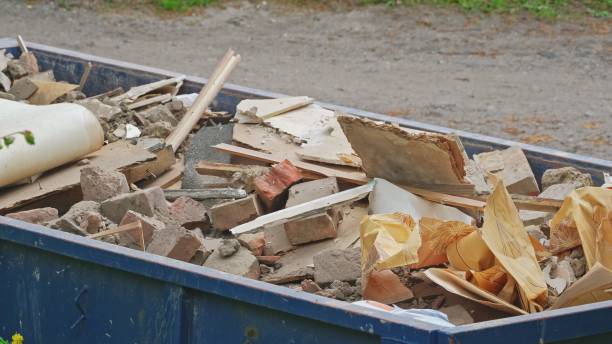
Boosting Productivity Through Clear Work Zones
Imagine tradespeople waiting on ladders while navigating around piles of scrap, or crews hunting for tools hidden behind cluttered corners. A site free from construction detritus enables smoother transitions between phases—framing, drywall, painting, flooring—and less time is wasted on sideline clean‑up. With debris removed on an ongoing basis, your team spends more time working and less time deferring tasks until the mess is managed.
This ripple effect amplifies productivity: fewer delays, fewer miscommunications and fewer site interruptions. When you treat debris removal as part of the project workflow (rather than an afterthought), you build momentum and maintain rhythm. That means a faster path to completion, with fewer stops and starts.
Enhancing Project Aesthetics and Stakeholder Impressions
Even while your building is under construction, the way your site appears can influence client confidence, subcontractor morale and community perception. A tidy site signals professionalism; piles of debris signal chaos. By proactively managing waste and debris removal, you present a clean, organized project progressing with purpose. That helps reassure clients, investors and neighbors alike that you’re in control.
Furthermore, when you bring an empty lot, a fresh extension or an upgraded building space out of the renovation phase, the transition into occupancy is far smoother when the site has been kept clean and orderly throughout. The build becomes a showcase rather than a clean‑up project, and you avoid the scramble of end‑stage mess removal that can leave a poor final impression.
Environmental Responsibility and Sustainable Disposal
Construction debris isn’t simply junk—it contains materials that can often be recycled or repurposed: metal framing, concrete aggregate, wood that can be chipped, even drywall that may be diverted from landfill. Engaging a debris removal service that emphasises environmentally responsible practices not only helps your project meet sustainability goals, but also reduces disposal costs and regulatory risks. When waste is sorted and diverted appropriately, you demonstrate care for the planet and your community.
Beyond simply disposing of materials, the right partner will coordinate with local recycling facilities and donation outlets, ensuring that salvageable items don’t just end up in a landfill. For a contractor or project manager who wants to highlight green credentials, efficient debris removal offers a tangible way to show that you’re not just building, you’re building responsibly.
Cost Control Through Proactive Waste Management
Uncontrolled debris accumulates out of sight—but not out of budget. If waste is left unmanaged, you risk extra hauling costs, project delays, and even fines if materials are improperly disposed of. By establishing a tailored debris removal plan early (volume, frequency, types of waste) you gain cost transparency and avoid hidden fees. A committed provider can quote a lump‑sum or scheduled fee, enabling you to lock in waste budgets and avoid surprise surcharges.
In addition, timely removal frees up space and resources for your core tasks rather than letting the site become a dumping zone. That means fewer indirect costs—rework, idle labor, project stalling. When you treat debris removal as an investment rather than a sunk cost, you gain control over your margins rather than letting waste eat into them.
Streamlined Workflow From Site Preparation to Hand‑Off
Every phase of a construction or renovation project hinges on transitions: demolition, framing, rough‑in, finish work. Debris removal is the glue that holds these transitions together. When you schedule removal after demolition and major mess‑creating phases, you keep the momentum moving. It becomes part of your workflow rather than a break between trades. That predictability smooths hand‑offs and keeps everyone aligned.
Also, during final clean‑up and hand‑off to the client or occupant, the less debris that remains the fewer last‑minute tasks you’ll have. That means fewer punch‑list items related to waste, fewer delays, and a clearer path to occupancy. The process becomes more orderly, your timeline more reliable and your project narrative more professional.
Health and Cleanliness Benefits Beyond Construction Noise
Construction sites generate far more than just visual clutter. Dust, debris, and microscopic particles from drywall, concrete, and wood can linger long after active work concludes, infiltrating air ducts, settling on surfaces, and creating hidden hazards. When scrap materials and demolition remnants are left on site, the accumulation of dust and particulate matter can directly affect the quality of finishing work, including painting, flooring, and HVAC installation. Poor air quality may lead to delays in project timelines, increased cleaning costs, or even damage to delicate surfaces and equipment. By integrating professional debris removal into your project, you not only maintain a safer and more orderly worksite, but you also proactively protect the quality of the completed build.
Debris removal also minimizes conditions that contribute to mold growth, pests, and moisture retention. Piles of leftover materials can trap humidity, creating ideal environments for bacteria or insect infestations, which can compromise the structural integrity and long-term health of the property. Including systematic debris management in your construction workflow treats cleanliness as a priority rather than an afterthought, fostering a healthier environment for workers, contractors, and eventual occupants. A clean site translates into fewer remediation issues, reduced warranty claims, and a safer, more hygienic building. By making debris removal part of the construction routine, you ensure both immediate safety and long-term usability, emphasizing care for both the team on-site and the people who will eventually occupy the space.
Facilitating Compliance With Local Regulations and Permitting
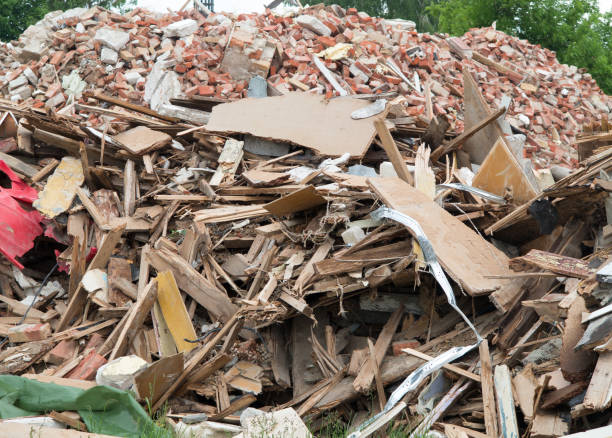
Construction debris management is not merely a matter of aesthetics—it plays a critical role in legal compliance and permitting processes. Cities, counties, and municipalities have strict regulations governing how construction and demolition materials are handled, including rules for disposal, recycling, and the treatment of potentially hazardous substances. Leftover debris like concrete chunks, drywall dust, insulation scraps, or chemical containers can violate local ordinances if not disposed of properly. A professional debris removal service ensures that waste is sorted, transported, and recycled in accordance with environmental standards, significantly reducing the risk of fines, stop-work orders, or permit delays. This proactive approach allows projects to stay on schedule while demonstrating regulatory diligence to inspectors and authorities.
Moreover, maintaining a documented and organized debris removal plan during the build reflects professionalism and responsibility. Site reviews and inspections are streamlined when authorities can see that waste management is scheduled, tracked, and executed efficiently. A clear record of compliance not only protects the contractor from potential liabilities but also reassures clients and stakeholders that the project adheres to legal and environmental expectations. Integrating debris removal into the construction workflow transforms it from a reactive task to a preventative measure, minimizing operational risk and maintaining the integrity of the project. This foresight ensures that construction progresses smoothly, reduces bureaucratic obstacles, and positions your team as conscientious and reliable professionals.
Preparing the Site for Post-Construction Use and Future Value
The completion of a construction project is only as successful as the condition in which the site is handed over. Leftover debris—including old framing, bricks, drywall, packaging, and scrap materials—can obstruct access, delay move-ins, and negatively impact first impressions for buyers, tenants, or clients. By implementing a structured debris removal strategy well before the final walkthrough, you ensure that the site is cleared, organized, and ready for immediate use. Clean, uncluttered spaces not only facilitate occupancy but also enhance the perceived value of the property, reflecting professionalism and attention to detail that is visible from the moment someone steps onto the site.
A well-managed site also simplifies the completion process for contractors, from final billing to certificate issuance. Removing debris ahead of time reduces last-minute chaos, prevents potential safety hazards, and eliminates unnecessary costs associated with rushed cleanups. This approach fosters smoother hand-offs to clients or occupants and reduces friction during post-construction inspections. Furthermore, a debris-free environment highlights the quality of workmanship and reinforces a sense of order, enhancing satisfaction for all parties involved. In essence, strategic debris removal is not just about cleanliness; it is a critical step in maximizing efficiency, safeguarding value, and ensuring that the completed project transitions seamlessly from construction to functional use. A thorough cleanup creates a polished, market-ready property and strengthens long-term confidence in your work.
Conclusion
Choosing professional debris removal from a trusted partner like Clifford’s Junk Removal can transform the way construction and renovation projects are managed, offering benefits far beyond simply hauling away waste. By keeping sites clear of leftover materials, scrap, and rubble, they enhance safety, reducing risks from sharp objects, loose debris, or obstructed walkways. Clean, organized workspaces allow crews to work efficiently, maintain steady progress, and keep projects on schedule.
Professional debris removal also helps control costs by avoiding hidden expenses such as fines for improper disposal or delays caused by cluttered areas. Committed to environmental responsibility, Clifford’s Junk Removal ensures materials are recycled or disposed of properly. Based in Roseville, CA, they can be reached at 916‑232‑3588.