Warehouse cleanouts can be a major undertaking for any business, especially when dealing with large amounts of debris, outdated equipment, or accumulated inventory. Unlike smaller residential projects, warehouses often contain heavy materials, bulky machinery, and hazardous waste that require specialized handling. That’s why hiring professional Commercial Junk Removal services is essential for efficiency and safety. A well-organized cleanout not only helps create more usable space but also promotes better productivity and compliance with workplace regulations. Before starting the process, businesses must consider several important factors such as safety precautions, waste segregation, recycling opportunities, and proper disposal methods. By carefully planning and coordinating each step, a warehouse cleanout becomes smoother, faster, and more cost-effective. Understanding these key considerations ensures that your facility remains clean, organized, and ready for optimal use without disrupting operations or compromising safety standards.
Assessing the Scope of the Cleanout
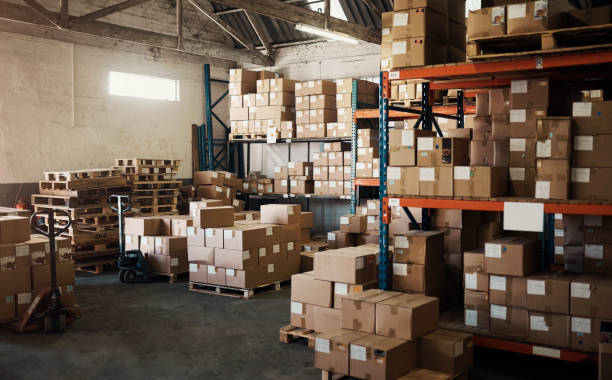
Before beginning any warehouse cleanout, it’s important to assess the full scope of the project. This includes identifying how much junk, debris, or unused inventory needs to be removed, as well as determining the types of materials involved. Large warehouses often accumulate years of clutter, including old shelving, packaging materials, broken equipment, and hazardous substances. A detailed assessment helps you create a plan that outlines which items can be reused, recycled, or need proper disposal. Unlike smaller projects, Commercial Junk Removal for warehouses requires accurate volume estimation to determine the right size of containers and vehicles needed for hauling. Walking through each section of the warehouse and documenting the condition of stored items provides a clear picture of the work ahead. Once you’ve identified everything to be removed, it becomes easier to schedule professional services and allocate the right manpower. Proper assessment minimizes unexpected delays, ensures cost efficiency, and helps you complete the cleanout safely and within your desired timeframe.
Prioritizing Safety and Compliance
Safety is the most critical factor when planning a warehouse cleanout. These spaces often contain heavy machinery, sharp objects, electrical wiring, and even chemical waste, all of which can pose risks to workers. Before starting, conduct a thorough safety inspection and provide all personnel with appropriate protective gear such as gloves, helmets, masks, and steel-toe boots. Professional Commercial Junk Removal companies are trained to handle hazardous materials safely while following OSHA standards and local disposal regulations. It’s also vital to ensure that equipment like forklifts or compactors is operated only by certified staff. Keeping emergency exits clear, posting visible safety signs, and enforcing strict lifting protocols can prevent accidents during the cleanout. Another key element of compliance is maintaining documentation for waste disposal, especially for hazardous items. Working with licensed disposal providers ensures materials are handled responsibly. Prioritizing safety not only protects employees but also safeguards the company from potential liabilities or fines related to improper handling.
Categorizing and Sorting Inventory
Sorting and categorizing items is one of the most time-consuming but essential parts of any warehouse cleanout. Warehouses often contain a mix of reusable goods, damaged products, obsolete machinery, and recyclable materials. Establishing clear categories such as “keep,” “recycle,” and “discard” simplifies the process and improves efficiency. Sorting prevents valuable equipment or supplies from being thrown away unnecessarily. For example, some packaging materials, metals, or pallets can be repurposed or resold. Partnering with a Commercial Junk Removal company can also streamline sorting since they often help identify recyclable and non-recyclable materials. Having labeled bins or designated zones for each category makes the process organized and safe for everyone involved. Sorting also allows for better waste tracking and reduces disposal costs by minimizing the amount of junk sent to landfills. An organized approach ensures that only the truly unusable items are removed, leaving behind a cleaner, more functional workspace that supports productivity and safety.
Choosing the Right Commercial Junk Removal Partner
Selecting the right Commercial Junk Removal partner can make or break your warehouse cleanout project. A reputable company should have the proper licenses, insurance, and experience in handling large-scale cleanouts. Before hiring, research their background, read reviews, and confirm they can manage both hazardous and non-hazardous waste. The right service provider will offer comprehensive assistance—from sorting and hauling to recycling and environmentally responsible disposal. Reliable companies also bring the necessary tools, vehicles, and trained personnel to handle heavy lifting safely. They understand the logistics of warehouse spaces and work efficiently to minimize disruption to business operations. It’s beneficial to choose a provider familiar with your industry, as they will know how to comply with any specific regulations regarding material disposal. A trustworthy partner ensures the cleanout is completed on schedule, within budget, and according to safety standards. Building a relationship with a professional junk removal company can also help with ongoing maintenance and future cleanouts, ensuring long-term efficiency and cleanliness.
Implementing an Efficient Waste Management Plan
An organized waste management plan is key to a successful warehouse cleanout. This plan should outline how materials will be collected, segregated, and transported. Unlike residential cleanups, Commercial Junk Removal for warehouses often requires coordination between multiple teams and stages of waste handling. Start by categorizing waste into recyclables, hazardous materials, and general junk. Determine where waste bins should be placed and schedule timely pickups to avoid overflow or delays. Partnering with professional removal services ensures all materials are processed correctly—whether that means recycling metal parts, donating reusable goods, or safely disposing of hazardous items. Clear communication between management and staff is also crucial during implementation. An efficient plan helps maintain workflow during the cleanout, reduces operational downtime, and guarantees compliance with environmental regulations. When waste is managed systematically, businesses not only save time and money but also contribute positively to sustainability goals and overall workplace safety.
Coordinating Staff and Resources
Coordinating employees and resources plays a major role in the success of any warehouse cleanout. Assigning specific responsibilities to team members prevents confusion and ensures every area is covered. Some workers can handle sorting and labeling, while others focus on moving or disassembling equipment. Supervisors should oversee progress and enforce safety protocols throughout the process. Collaboration between the internal team and the Commercial Junk Removal company ensures smooth operations from start to finish. Resource allocation is equally important—make sure there are enough tools, lifting equipment, and protective gear available. Establishing a clear timeline with checkpoints helps maintain organization and ensures the project stays on schedule. Effective coordination also involves communication with other departments that may be affected by the cleanout, such as logistics or inventory management. When everyone understands their role and responsibilities, the process runs smoothly, saving both time and effort. Proper resource management ensures efficiency, safety, and high-quality results in every phase of the warehouse cleanout.
Managing Hazardous and Recyclable Materials
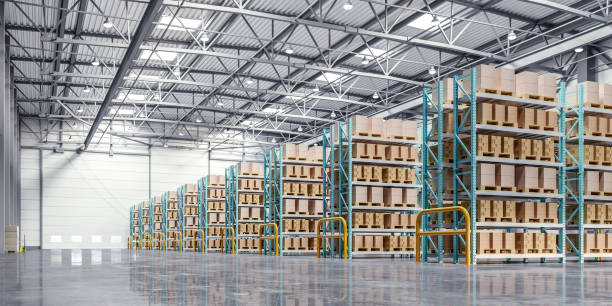
Warehouses often contain materials that require special attention during disposal. These can include paint, solvents, oils, batteries, and electronic waste. Mishandling such items can lead to serious environmental and health hazards. Hiring a Commercial Junk Removal company that specializes in hazardous waste management ensures compliance with all safety and environmental standards. Recyclable materials such as cardboard, metal, plastic, and wood should be sorted separately for proper recycling. Many professional removal companies have partnerships with recycling centers, which ensures reusable materials don’t end up in landfills. Proper handling of hazardous and recyclable materials not only protects the environment but also enhances the company’s sustainability efforts. Keeping detailed records of what was recycled or disposed of can be beneficial for compliance audits and sustainability reporting. Responsible management of these materials reflects positively on your business and demonstrates a strong commitment to eco-friendly practices and workplace safety.
Minimizing Disruptions During Cleanout
For businesses that continue operations during a warehouse cleanout, minimizing disruption is essential. Planning ahead allows you to coordinate cleaning schedules around working hours or off-peak times. The Commercial Junk Removal team should work closely with management to ensure certain areas remain operational while others are being cleared. Using section-by-section cleaning prevents the entire warehouse from shutting down. Additionally, ensuring that all staff members are informed about the cleanout schedule helps avoid confusion and workplace congestion. Proper signage can help redirect workflow and keep employees safe during the process. It’s also wise to schedule waste pickups strategically, so that hauling trucks don’t block access points or delivery routes. By managing the process carefully, you can maintain productivity while achieving your cleanout goals. An organized, minimally disruptive approach not only saves time but also reinforces the professionalism of your operations and ensures a seamless transition to a cleaner, more efficient warehouse.
Evaluating Costs and Budgeting
Cost management is a vital consideration in any warehouse cleanout. Understanding what factors influence pricing helps you budget effectively and avoid unexpected expenses. The total cost of a Commercial Junk Removal project depends on several factors, including the volume and type of materials, distance to disposal sites, labor requirements, and duration of the cleanout. Requesting detailed quotes from multiple providers allows you to compare pricing and services. Some companies may charge by weight, while others base fees on truckload volume or hourly labor. It’s also important to account for costs associated with recycling, hazardous waste handling, and equipment rentals. Establishing a clear budget early on helps prevent overspending and ensures financial transparency throughout the process. A well-planned budget also allows room for unexpected contingencies such as additional labor or extended project timelines. Evaluating costs carefully ensures that the warehouse cleanout remains efficient, cost-effective, and aligned with your company’s operational and financial goals.
Maintaining Cleanliness After the Cleanout
Once the warehouse cleanout is completed, the next challenge is keeping the space organized and clutter-free. Regular maintenance prevents the buildup of debris and ensures long-term efficiency. Establishing a cleaning schedule and assigning staff to oversee waste management keeps the warehouse in top condition. Partnering with a Commercial Junk Removal company for periodic cleanups can also help maintain order. Encourage employees to follow storage guidelines and properly label inventory to prevent disorganization. Implementing a “clean as you go” policy promotes responsibility among workers and keeps clutter under control. Installing proper storage systems such as shelving and labeled bins can further improve organization. Maintaining cleanliness is not just about appearance—it enhances workplace safety, efficiency, and morale. A clean warehouse reduces the risk of accidents and helps your business operate smoothly. With consistent upkeep, you can preserve the results of your cleanout and ensure the facility remains functional, professional, and safe for daily operations.
Conclusion
A warehouse cleanout requires planning, coordination, and the right professional support to ensure success. By assessing the scope, prioritizing safety, sorting materials, and partnering with a reliable Commercial Junk Removal company, businesses can achieve a cleaner, more efficient workspace. Proper waste management, employee coordination, and post-cleanout maintenance keep operations running smoothly while maintaining compliance with environmental regulations. If you’re located in Roseville and need dependable help with your next cleanout, Clifford’s Junk Removal is your trusted partner. Our team specializes in commercial and residential junk removal, handling everything from heavy equipment to recyclable materials safely and responsibly. Contact us today at 19162323588 to schedule your warehouse cleanout or consultation. Let Clifford’s Junk Removal handle the hard work so you can focus on running your business with confidence and peace of mind.