Handling construction debris can be one of the most challenging parts of any building or renovation project. Whether you are managing a commercial property, remodeling a business facility, or constructing a new site, debris removal must be organized and efficient. Construction waste can include everything from concrete, metal, and wood to drywall, tiles, and packaging materials. Without proper disposal, it can quickly create clutter and pose safety hazards for workers and visitors. Partnering with professionals experienced in commercial junk removal ensures the debris is handled responsibly, sorted correctly, and disposed of according to local regulations. Proper debris removal not only keeps the job site safe and clean but also contributes to environmental sustainability. A well-planned debris removal process helps businesses save time, minimize risk, and maintain compliance while keeping the project on schedule.
Understanding Construction Debris
Construction debris refers to the unwanted materials produced during construction, remodeling, demolition, or renovation projects. This includes concrete, bricks, lumber, drywall, roofing materials, metals, insulation, and sometimes even hazardous waste like paint or adhesives. Unlike residential waste, construction debris is often heavier and requires specialized handling. Proper understanding of these materials is essential before scheduling commercial junk removal services. Sorting debris into categories such as recyclable materials, reusable items, and non-recyclables ensures nothing valuable ends up in a landfill unnecessarily.
Many construction materials can be repurposed or recycled, reducing disposal costs and environmental impact. Having a detailed list of materials before removal also helps contractors and junk removal experts determine the right equipment, vehicles, and safety measures for the job. Understanding what qualifies as construction debris helps streamline the entire process, saving time and ensuring that the cleanup meets safety and environmental standards. This awareness sets the foundation for an organized, efficient, and eco-friendly debris removal plan that benefits both your project and the environment.
Preparing the Job Site for Cleanup
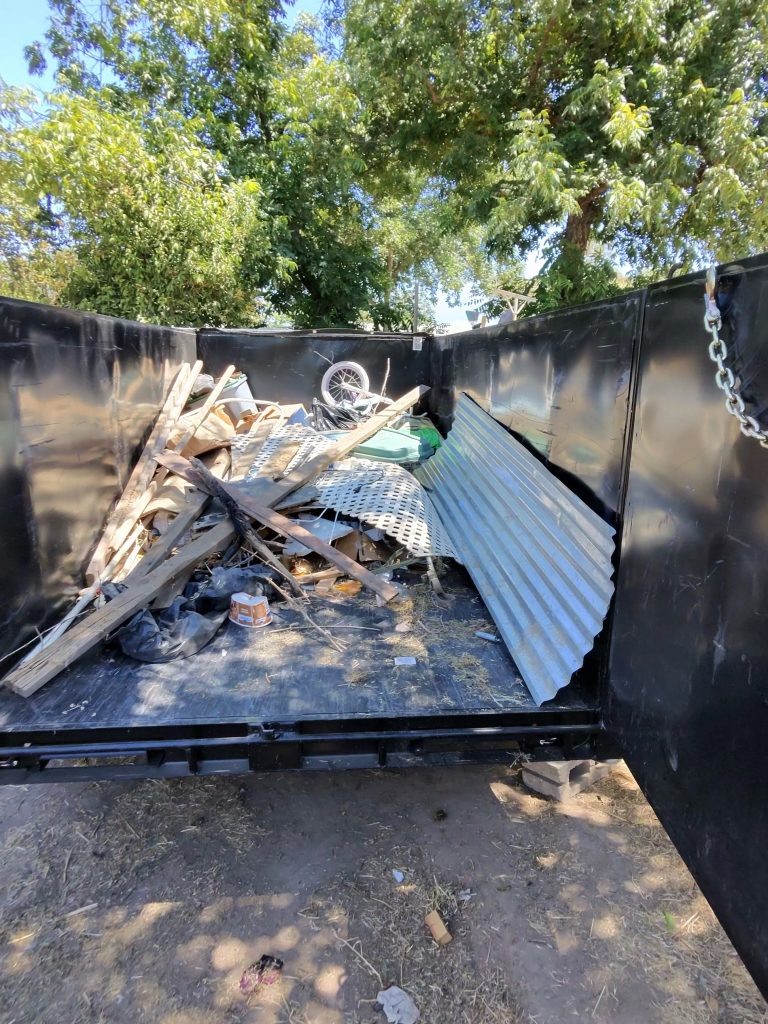
Before removal begins, the job site should be organized to make the cleanup process efficient and safe. Preparation involves clearing walkways, securing heavy equipment, and identifying zones for sorting debris. In commercial settings, where time and productivity are crucial, preparation ensures that commercial junk removal crews can work without interruptions or safety risks. It’s best to separate materials into piles based on type—metal, wood, concrete, and general waste—before hauling begins. Hazardous materials should be stored away from standard debris to prevent contamination or injury. Ensuring that dumpsters and collection bins are placed in accessible areas helps workers dispose of waste quickly. Additionally, communicating with your junk removal company before they arrive allows them to bring the proper tools and vehicles for the job. A clean, organized site improves workflow, prevents accidents, and helps teams complete construction cleanup efficiently. Proper preparation ensures that your project stays on track and that all debris is removed safely and promptly.
Sorting and Categorizing Materials
Sorting construction materials is one of the most crucial steps in debris removal. Proper categorization helps ensure materials are either recycled, reused, or disposed of responsibly. In commercial junk removal, sorting can significantly reduce disposal costs and environmental impact. Items such as concrete, metal, and wood can often be repurposed or recycled, while insulation, glass, and drywall may need specialized handling. Sorting also prevents contamination, ensuring that recyclable materials remain clean and reusable. Having clearly labeled bins for different types of debris can make this process smoother for workers on-site.
By dedicating time to sorting, businesses can improve sustainability, meet local waste management regulations, and maintain a safer workspace. Professional junk removal companies often provide guidance and equipment to assist in sorting, ensuring compliance with environmental standards. When materials are properly categorized, it becomes easier to transport, recycle, and dispose of them efficiently. This careful organization not only benefits your project’s workflow but also supports a cleaner and more sustainable construction industry.
Choosing the Right Equipment and Containers
Selecting the proper equipment and containers is essential for safe and efficient debris removal. Construction sites generate various materials that differ in size, weight, and composition, requiring specific disposal methods. Dumpsters, roll-off containers, and heavy-duty bins are commonly used for commercial junk removal projects. Each type of debris—such as metal scraps, concrete, or wood—may need separate containers to prevent contamination and make recycling easier.
Choosing the right container size prevents overflow and ensures debris is handled within safety limits. Additionally, equipment like loaders, forklifts, and hauling trucks play a key role in moving heavy materials. Businesses should consult their junk removal provider to determine the best equipment for the job site’s conditions and waste volume. Using proper containers and machinery not only increases efficiency but also enhances safety for workers handling debris. This proactive approach ensures that cleanup runs smoothly, materials are correctly processed, and your project remains organized and compliant from start to finish.
Working with Professional Removal Services
Partnering with a professional debris removal company is one of the most reliable ways to handle construction waste. Professionals specializing in commercial junk removal have the tools, trucks, and experience to manage heavy materials safely. They understand local disposal laws, recycling regulations, and environmental standards, which helps your business remain compliant. Hiring experts also saves your team time and energy, allowing them to focus on the actual construction work instead of hauling debris.
Professional crews can handle everything from loading and transportation to sorting and disposal, ensuring the site is completely cleared. These services also come equipped with safety gear and trained staff to handle potentially hazardous materials like sharp metal, glass, or concrete dust. By trusting a reputable junk removal company, you reduce the risk of workplace injuries and streamline cleanup operations. The convenience and professionalism offered by experienced debris removal services make them an invaluable part of any construction project’s success.
Recycling and Reusing Construction Materials
Recycling is an important part of responsible construction waste management. Many materials found on job sites can be recycled or reused instead of being sent to landfills. Concrete can be crushed and reused for road base; metals like steel, copper, and aluminum can be melted down and repurposed; and wood can be treated for reuse in other projects. Commercial junk removal services often work with local recycling facilities to ensure materials are processed properly.
Reusing materials not only reduces environmental impact but also cuts disposal costs and supports sustainable construction practices. Businesses that prioritize recycling demonstrate environmental awareness and corporate responsibility, which can enhance their reputation. Implementing recycling as part of your debris removal plan helps conserve natural resources and reduces waste production. By making recycling a core part of your cleanup strategy, you contribute to a greener, more sustainable future while maintaining efficient and cost-effective waste management.
Ensuring Safety During Cleanup
Safety is paramount during construction debris removal. Job sites often contain sharp objects, unstable piles, or heavy materials that can pose risks to workers. Following safety protocols and using protective gear—such as gloves, boots, helmets, and masks—is essential. Professional commercial junk removal companies prioritize safety by ensuring all team members are trained to handle hazardous materials correctly. Proper lifting techniques and equipment, like dollies or forklifts, help prevent injuries caused by manual handling of heavy items. It’s also important to clearly mark hazardous areas and maintain communication among workers during cleanup. Keeping pathways clear and removing debris regularly prevents slips, trips, and falls. Safety should never be compromised for speed; a clean, organized approach always produces better results. Businesses that prioritize safety not only protect their workforce but also avoid costly delays, accidents, and legal complications. Maintaining safety during cleanup ensures smooth operations and reinforces a culture of responsibility and care on-site.
Scheduling Debris Pickups and Hauling
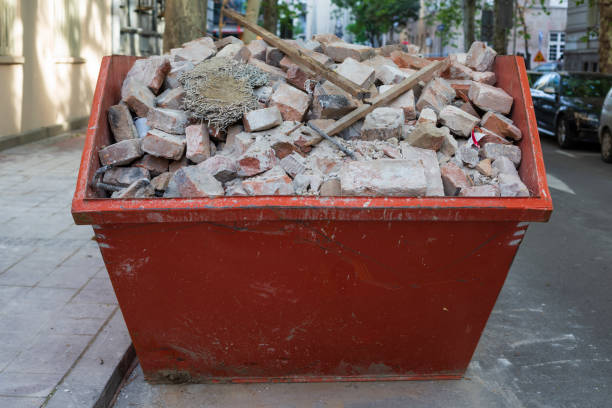
Scheduling timely debris pickups keeps the construction site organized and prevents waste buildup that can slow down progress. A well-planned hauling schedule allows commercial junk removal teams to remove materials efficiently without interrupting ongoing work. Depending on project size, pickups may be daily, weekly, or after each construction phase. Coordinating with your removal service to determine the best times for collection ensures minimal disruption.
Regular pickups also reduce fire hazards, maintain safety, and keep the site compliant with local regulations. It’s beneficial to establish a communication plan with your junk removal provider to handle unexpected debris surges or additional materials. Consistent hauling schedules save time, improve efficiency, and create a more productive work environment. With proper planning, debris never piles up excessively, allowing your team to stay focused on construction tasks rather than managing clutter. Reliable hauling is a vital step in maintaining a professional, safe, and productive construction site.
Complying with Environmental Regulations
Environmental compliance is a critical responsibility when handling construction debris. Regulations ensure that waste is disposed of safely and sustainably. Commercial junk removal providers stay informed about local and state guidelines to ensure proper disposal of materials like concrete, metal, glass, and hazardous waste. Non-compliance can result in hefty fines and reputational damage. Businesses must verify that their junk removal partner holds the necessary licenses and permits to transport and dispose of construction debris.
Implementing environmentally conscious practices, such as recycling and reducing landfill waste, not only meets regulatory standards but also aligns your business with green initiatives. Maintaining proper documentation, like disposal receipts and recycling certificates, provides transparency and accountability. By complying with environmental laws, you demonstrate a commitment to sustainability, protect your community, and ensure your business operates ethically. Environmental compliance helps safeguard natural resources while maintaining a responsible and lawful construction process.
Conclusion
Managing construction debris properly ensures safety, compliance, and efficiency on every project. From sorting and recycling to scheduling regular pickups, each step contributes to a cleaner and more productive site. Working with experienced commercial junk removal professionals guarantees that all materials are handled responsibly and according to local regulations. For businesses and contractors in Roseville, Clifford’s Junk Removal offers dependable debris removal services tailored to your construction needs. Our team is equipped to manage all types of waste safely and efficiently, keeping your site clean and organized. Contact Clifford’s Junk Removal today at 19162323588 to schedule your service or consultation. Let us help you maintain a safe, professional construction environment while ensuring your debris is handled the right way—on time, every time.