Safely removing unwanted office equipment is an important part of keeping your workspace organized, productive, and hazard-free. Over time, businesses accumulate outdated computers, broken printers, unused furniture, and other bulky items that occupy valuable space. Handling this process carefully ensures the safety of employees and the protection of sensitive data stored in electronics. While most people associate Residential Junk Removal with household clutter, many professional removal companies also manage office cleanouts and electronic waste responsibly. A planned removal approach allows businesses to declutter efficiently, recycle materials correctly, and maintain compliance with environmental regulations. Properly disposing of unwanted office equipment also improves efficiency by freeing up room for updated technology or a more comfortable work layout. Understanding how to prepare, separate, and dispose of these materials ensures a clean, safe, and environmentally friendly workspace while supporting community sustainability goals.
Identifying Unwanted Office Equipment
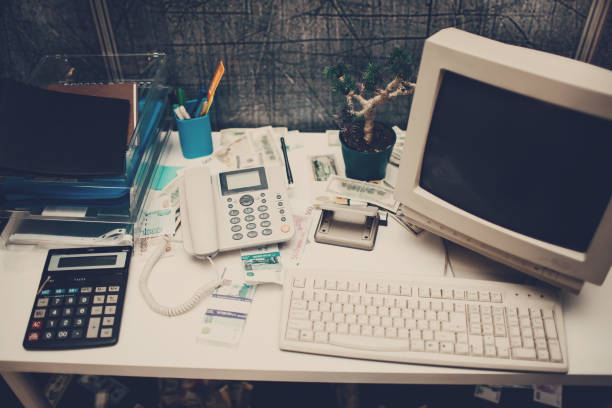
The first step in safely removing unwanted office equipment is to identify which items are no longer needed. This may include outdated desktop computers, old monitors, broken chairs, or malfunctioning printers that consume unnecessary space. Conducting an equipment inventory helps determine what can be reused, donated, or sent for disposal. Unlike ordinary household cleanouts that fall under Residential Junk Removal, office decluttering often involves bulkier items and sensitive materials such as hard drives or server units. Businesses should categorize items based on condition, age, and potential recycling value. Clearly labeling each item prevents confusion and speeds up the removal process. Management can involve employees in the review to ensure nothing essential is mistakenly discarded. Identifying unwanted equipment not only reduces clutter but also creates an opportunity to assess workplace needs and upgrade resources efficiently. With a clear list of items, arranging professional removal becomes easier, safer, and more cost-effective for the company.
Preparing for Safe Removal
Preparation is key to a smooth and safe office equipment removal process. Before hauling items away, businesses should disconnect electronic devices carefully, remove cables, and back up any stored data. It’s crucial to ensure power sources are turned off to prevent accidents. Office equipment can be heavy, so clearing walkways and using proper lifting techniques helps avoid injuries. Unlike simple Residential Junk Removal tasks, commercial cleanouts often require coordination among multiple departments to prevent operational disruptions. Setting a specific removal schedule, labeling items for pickup, and communicating the plan to staff ensures everyone’s safety and cooperation. Additionally, hazardous materials such as toner cartridges or batteries should be separated for special handling. Proper preparation not only saves time but also minimizes workplace hazards and ensures compliance with disposal regulations. When businesses prepare thoroughly, removal teams can perform their job efficiently while maintaining the integrity of the workspace.
Protecting Sensitive Data
One of the most critical aspects of removing office equipment is safeguarding confidential information. Computers, printers, and copiers often store sensitive data such as client information, employee records, or financial documents. Before arranging Residential Junk Removal or professional disposal services, businesses must ensure that all data is securely erased or destroyed. This includes wiping hard drives, removing memory cards, and shredding physical documents stored in filing cabinets. Partnering with certified e-waste recyclers who follow data destruction standards provides additional security and peace of mind. Failing to protect data can result in identity theft, privacy breaches, or legal penalties. Implementing strict data-removal protocols prior to equipment disposal ensures compliance with data-protection laws and reinforces the company’s reputation for professionalism. Protecting digital information should be as high a priority as physical waste management when removing unwanted office equipment. A secure process keeps the business safe from potential risks long after the items leave the building.
Separating Recyclable Materials
Recycling plays a major role in responsible office equipment removal. Items such as metal desks, plastic components, and electronic devices often contain materials that can be reused or repurposed. Separating recyclable materials from general waste helps reduce environmental impact and landfill volume. Unlike typical Residential Junk Removal, commercial recycling requires knowledge of local regulations and access to specialized recycling facilities. Electronics, for instance, contain valuable metals like copper and aluminum that should be recovered through proper channels. Businesses should designate separate bins for recyclables, non-recyclables, and hazardous waste before collection. Partnering with recycling-focused removal services ensures that dismantled components are processed safely and sustainably. Educating employees about recycling categories also prevents contamination and supports long-term eco-friendly habits. By taking the time to separate recyclable materials, businesses contribute to a circular economy, save on disposal costs, and strengthen their commitment to environmental stewardship.
Handling Heavy or Bulky Items
Office cleanouts often involve moving heavy desks, filing cabinets, or large conference tables. Improper handling can result in injuries or property damage, so safety must come first. Planning the movement path, using dollies or lifting straps, and wearing protective gloves can make a big difference. Professional movers trained in heavy lifting can handle this task more safely than untrained employees. Residential Junk Removal companies that also serve commercial clients typically bring the right tools and personnel to manage bulky items without disrupting office operations. It’s important to measure doorways, elevators, and hallways before moving large furniture to prevent damage. Additionally, disassembling modular pieces can simplify transportation and reduce the risk of accidents. Proper lifting techniques, teamwork, and clear communication ensure smooth handling of oversized items. Taking precautions not only protects staff but also preserves the condition of office premises and equipment that remains in use.
Disposing of Electronic Waste Responsibly
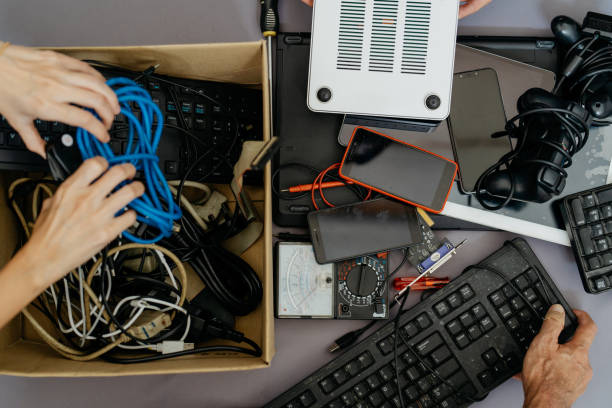
Electronic waste, or e-waste, includes computers, monitors, keyboards, and other gadgets that can release harmful substances if not disposed of correctly. Proper e-waste management ensures that valuable materials are recycled while hazardous elements are safely neutralized. Residential Junk Removal services experienced in electronics disposal work with certified recycling centers to guarantee environmentally sound handling. Businesses should never throw e-waste into regular trash bins because it may contain lead, mercury, or cadmium. Instead, they should partner with licensed recyclers who follow government regulations. Collecting and labeling electronic items separately allows for efficient pickup and processing. Data-containing devices should be cleared before disposal, as discussed earlier. Responsible e-waste disposal not only protects the environment but also demonstrates social accountability and commitment to sustainability. By adopting responsible e-waste practices, companies contribute to cleaner communities and preserve natural resources for future generations while staying compliant with environmental laws.
Donating Usable Equipment
Not all unwanted office equipment has reached the end of its life. Many items, such as functional computers, chairs, and filing cabinets, can still serve others. Donating usable equipment is a sustainable alternative to disposal. Community centers, schools, and non-profit organizations often welcome gently used office furniture and technology. Residential Junk Removal companies sometimes assist in coordinating donations, ensuring that usable items are transported safely to local charities. Before donating, businesses should check the condition of each item, ensure electronics are wiped clean of data, and verify that the receiving organization can use the equipment. Donating reduces waste, supports community development, and provides potential tax benefits for the business. It also reinforces a company’s reputation as a socially responsible organization. By choosing donation over disposal, businesses extend the life cycle of their equipment, minimize landfill contribution, and make a positive impact beyond their workplace walls.
Coordinating with Professional Removal Services
Working with professional junk removal companies ensures the process of clearing unwanted office equipment is efficient, safe, and compliant. Experienced teams handle sorting, lifting, transportation, and disposal using proper tools and vehicles. Residential Junk Removal services that cater to commercial clients bring expertise in recycling, hazardous waste handling, and secure data destruction. Partnering with such services saves time and reduces the risk of workplace injuries. Businesses should research providers, confirm licensing and insurance, and request detailed service quotes before scheduling removal. Clear communication about pickup times, access points, and special instructions ensures smooth coordination. Professional removal services also help minimize downtime by completing the job quickly and efficiently. Choosing a trusted partner means businesses can focus on operations while experts manage the entire cleanup process. With professionals handling the logistics, companies gain peace of mind knowing their unwanted office equipment is removed responsibly and sustainably.
Maintaining a Clean and Safe Workspace
After removing unwanted office equipment, maintaining cleanliness is vital to prevent clutter from building up again. Establishing regular inspections, designated storage areas, and clear disposal policies helps sustain an organized environment. Residential Junk Removal isn’t only for one-time projects; many providers offer recurring services to assist with ongoing waste management. Keeping the workspace free of obsolete items enhances employee morale, productivity, and safety. Simple habits—such as labeling storage rooms, promptly removing broken items, and encouraging staff participation—make maintenance easier. Businesses should schedule periodic cleanouts to reassess inventory and eliminate unused materials. A tidy office also creates a positive impression on clients and visitors, reflecting the company’s professionalism and efficiency. By treating cleanliness as a continuous process rather than an occasional task, organizations preserve their investment in workspace design and equipment while promoting a healthier, more motivating atmosphere for everyone.
Conclusion
Safely removing unwanted office equipment requires organization, responsibility, and a commitment to both safety and sustainability. From identifying and preparing items to protecting data, recycling, and donating, each step contributes to a cleaner, more efficient workspace. Partnering with experienced professionals ensures compliance with regulations and eliminates the stress of handling heavy or sensitive materials. For companies in Roseville, Clifford’s Junk Removal offers reliable assistance for office cleanouts, electronics disposal, and Residential Junk Removal services. Our trained team values safety, efficiency, and environmentally responsible practices. Keep your workspace clutter-free and productive with expert help you can trust. Contact Clifford’s Junk Removal today at 19162323588 to schedule service or request a consultation. Together, we can ensure your office remains clean, safe, and eco-friendly while simplifying the entire removal process from start to finish.