Managing appliance removal in a business setting is an important task that ensures both safety and efficiency. Commercial appliances, from refrigerators and microwaves to larger equipment like freezers or ovens, can be heavy, bulky, and sometimes contain hazardous materials. Improper handling can lead to property damage, injuries, or environmental hazards. Many businesses are familiar with residential junk removal practices, but commercial appliance disposal often requires a more organized approach. By understanding the right procedures, scheduling regular pickups, and working with professional services, businesses can maintain a safe and organized environment while ensuring compliance with disposal regulations. Proper appliance removal also supports sustainability by allowing equipment to be recycled or safely disposed of rather than ending up in landfills.
Identifying Appliances for Removal
The first step in handling appliance removal is identifying which items need to be removed from your business premises. Appliances may include outdated or broken refrigerators, microwaves, freezers, stoves, washers, and other equipment that no longer serve their purpose. Unlike residential junk removal, commercial appliance removal requires a detailed assessment of each piece of equipment to determine its size, weight, and potential hazards. It is essential to consider whether the appliance contains hazardous materials such as refrigerants, oils, or chemicals that require special handling. Conducting a thorough inventory ensures no item is overlooked, helps in planning the removal process, and allows the business to coordinate with licensed disposal services. Identifying the appliances also allows businesses to segregate items that can be donated, sold, or recycled from those that need full disposal. Proper identification minimizes risk, reduces liability, and ensures that all equipment is managed efficiently. Partnering with professional removal companies ensures these appliances are handled safely, saving businesses time, preventing injuries, and maintaining a clutter-free workplace.
Understanding Safety Requirements
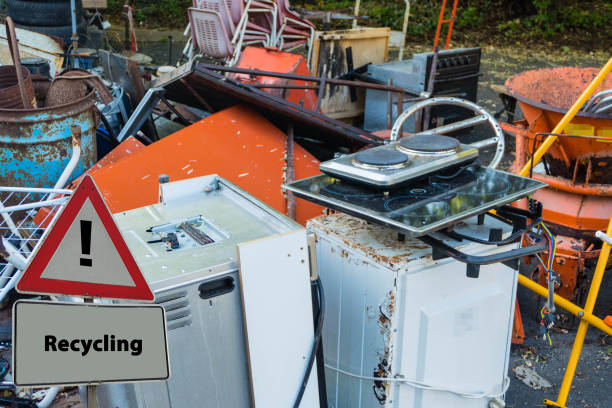
Appliance removal involves several safety requirements that businesses must follow to prevent injuries and property damage. Commercial appliances are often large, heavy, and awkward to maneuver, increasing the risk of accidents if handled improperly. Unlike residential junk removal, businesses may deal with multiple appliances at once, requiring additional safety precautions such as protective gloves, back supports, and dollies or moving equipment. It is crucial to understand weight limits and use appropriate lifting techniques to avoid strain or injury. Electrical appliances should be disconnected, and refrigerants or chemicals must be drained by certified personnel. Staff should also be aware of potential sharp edges or moving parts that could cause harm during removal. Professional junk removal services are trained to follow safety protocols and can provide equipment to move large appliances safely. By adhering to safety requirements, businesses can protect employees, prevent property damage, and ensure the appliance removal process is both efficient and compliant with regulations. This step establishes a foundation for safe and responsible commercial waste management.
Scheduling Professional Appliance Removal
Scheduling a professional appliance removal service is an important step for businesses to manage waste safely and efficiently. Unlike residential junk removal, commercial environments often involve multiple appliances that are heavy, hazardous, or difficult to transport. Professional removal services offer the expertise, manpower, and equipment to handle these tasks safely and on schedule. Businesses should coordinate with removal companies to arrange pickups at times that minimize disruption to operations. Regularly scheduled removals help prevent clutter, reduce safety hazards, and ensure that old appliances do not interfere with daily activities. Professional services also ensure that hazardous materials are disposed of according to local regulations, protecting both the business and the environment. Businesses can choose flexible service options, such as one-time removals or recurring pickups, based on their needs. By scheduling professional assistance, businesses save time, reduce risk, and ensure appliances are handled responsibly. This approach guarantees compliance, prevents workplace accidents, and supports the long-term sustainability of the organization’s waste management practices.
Preparing Appliances for Removal
Proper preparation of appliances is crucial before removal to ensure safety and efficiency. Businesses should disconnect all electrical or gas-powered equipment and drain any liquids, including refrigerants, oils, or water. Unlike residential junk removal, commercial appliances may be larger, more complex, and contain hazardous components that require careful handling. Preparing appliances also involves clearing surrounding areas to create a safe path for transport and reducing the risk of damage to floors or walls. Labeling appliances and noting any fragile components can help professionals handle items appropriately. Additionally, some appliances may require partial disassembly to make them manageable for transport. By taking these preparatory steps, businesses minimize risk of injury, prevent accidents during handling, and ensure appliances are ready for recycling, donation, or proper disposal. Professional removal services often provide guidance on preparation to streamline the process, saving businesses time and effort while maintaining a safe working environment. Proper preparation demonstrates organizational responsibility and ensures the removal process runs smoothly and efficiently.
Handling Hazardous Components
Many commercial appliances contain hazardous components that require specialized handling. Refrigerants, chemicals, and certain electrical parts can pose health and environmental risks if not properly removed. Unlike residential junk removal, commercial operations often handle larger appliances containing higher volumes of hazardous materials, necessitating certified professionals for safe disposal. Businesses should identify these hazards before removal and ensure appropriate containment and labeling. Refrigerators and freezers, for instance, may require certified technicians to remove refrigerants safely. Electrical equipment may have components that require special disposal methods to prevent contamination or fires. Proper handling of hazardous components protects employees, clients, and the surrounding community. Partnering with licensed removal companies ensures compliance with local and federal regulations. Training staff to recognize hazardous elements and understanding proper protocols also supports workplace safety. By addressing hazardous components responsibly, businesses can prevent accidents, avoid regulatory fines, and contribute to environmentally responsible appliance disposal practices, maintaining both safety and operational efficiency.
Using the Right Equipment
Appliance removal in commercial settings often requires specialized equipment to move large and heavy items safely. Unlike residential junk removal, which usually involves smaller, manageable items, commercial appliances like freezers, ovens, and washers require dollies, straps, hand trucks, or forklifts to transport without causing injury or property damage. Proper use of equipment reduces strain on employees and ensures appliances are moved efficiently. Businesses should ensure pathways are clear and floors are suitable for moving heavy objects to prevent accidents. Professional removal companies provide trained staff and specialized tools, guaranteeing that appliances are handled without risk to the building or personnel. Using the right equipment also facilitates recycling or proper disposal, as items can be moved without damage that might complicate the process. Investing in proper tools and techniques demonstrates a commitment to workplace safety, reduces liability, and ensures that appliance removal is completed smoothly, protecting both staff and the company’s physical assets.
Recycling and Disposal Options
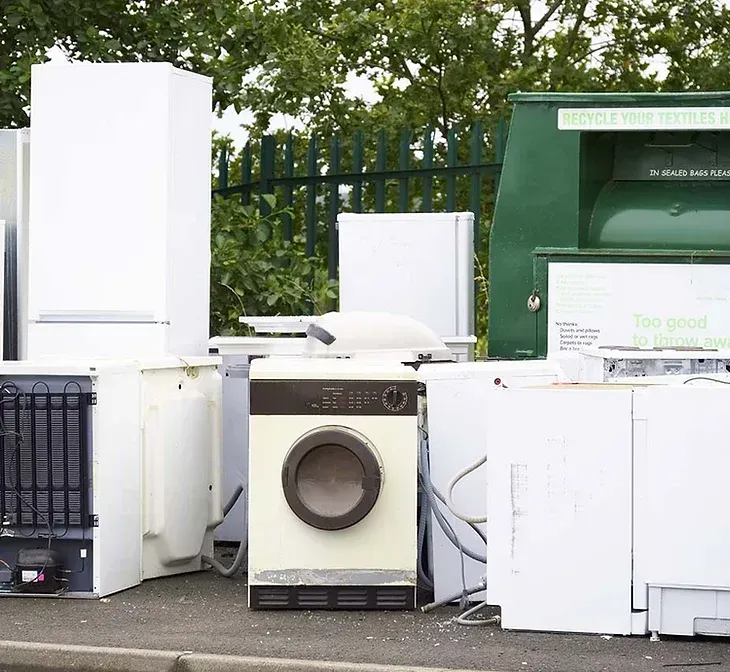
Proper appliance removal involves determining the best disposal or recycling options for each item. Businesses should segregate appliances that can be refurbished, recycled, or require safe disposal due to hazardous materials. Unlike residential junk removal, commercial operations generate higher volumes of appliances, which often necessitate working with certified recycling facilities or disposal services. Electronics, metal components, and plastics can often be recycled to reduce environmental impact. Refrigerants, oils, and chemicals must be disposed of in compliance with environmental regulations. Partnering with licensed appliance removal services ensures that all items are processed responsibly. Recycling and proper disposal not only prevent environmental contamination but also demonstrate a company’s commitment to sustainability. Businesses can track waste through documentation and maintain compliance with local regulations. By prioritizing recycling and safe disposal, companies protect the environment, enhance workplace safety, and maintain a responsible corporate image, aligning with long-term operational and ecological goals.
Training Staff on Appliance Handling
Staff training is essential for safe and efficient appliance removal in commercial settings. Employees should know how to recognize heavy or hazardous appliances, use lifting equipment properly, and follow safety protocols. Unlike residential junk removal, commercial appliances often pose greater risks due to size, weight, and chemical components. Training should cover proper lifting techniques, handling sharp edges, and awareness of potential hazards such as refrigerants or electrical components. Clear procedures, signage, and accessible reference guides help ensure consistency and safety across the workplace. Educating staff reduces accidents, prevents property damage, and ensures compliance with local regulations. Businesses that invest in training foster a culture of responsibility, empowering employees to participate in maintaining a safe environment. Partnering with professional removal services may also include on-site guidance or demonstrations for staff, enhancing understanding of safe practices. Proper training ensures appliances are removed efficiently, hazards are mitigated, and overall operational safety is maintained.
Scheduling Regular Appliance Audits
Regular audits of appliances in a business can prevent accumulation of obsolete or unsafe equipment. Unlike residential junk removal, commercial environments often have multiple large appliances in use or storage, increasing the need for scheduled inspections. Audits help identify items ready for removal, assess potential hazards, and prioritize equipment that may contain hazardous materials. Keeping a record of appliance conditions, usage, and age allows businesses to plan removal in a structured manner, reducing last-minute disruptions and safety risks. Professional removal services can coordinate with audits to ensure prompt pickup and proper disposal. Regular checks also help businesses maintain a clutter-free, organized workspace, contributing to employee safety and operational efficiency. Conducting audits ensures proactive management of appliances, reducing liability and maintaining compliance with local and environmental regulations. Scheduled inspections are a practical strategy for ongoing appliance management and waste control.
Conclusion
Safely handling appliance removal in a business requires careful planning, proper equipment, staff training, and adherence to safety and environmental regulations. By identifying appliances for removal, preparing items properly, addressing hazardous components, and partnering with professional services, businesses can maintain a safe and organized workspace. Regular audits, recycling, and thorough documentation ensure efficiency, compliance, and sustainability. For businesses in Roseville seeking reliable assistance, Clifford’s Junk Removal provides expert commercial and residential junk removal services. Our trained team handles appliances safely, offers flexible scheduling, and ensures responsible disposal or recycling. Contact us today at 19162323588 to schedule your service and experience hassle-free, professional appliance removal that keeps your business safe, organized, and environmentally responsible.