Managing commercial waste efficiently is essential for maintaining a safe, organized, and professional business environment. Commercial facilities often generate large volumes of junk, ranging from office furniture, electronics, and packaging materials to industrial byproducts. Unlike residential junk removal, handling commercial waste requires strategic planning, professional services, and adherence to local regulations. Proper disposal of commercial junk not only ensures compliance but also improves the workspace’s safety and aesthetics, which contributes to employee productivity and customer satisfaction. Businesses that overlook commercial junk removal risk cluttered workspaces, health hazards, and negative impressions on clients. By investing in professional commercial junk removal services, companies can streamline their operations, reduce environmental impact, and maintain a clean, orderly setting that reflects professionalism and responsibility.
Understanding Commercial Junk
Commercial junk refers to any materials discarded by businesses that are not typical household trash. Unlike residential junk removal, commercial facilities deal with higher volumes and heavier items, including office furniture, construction debris, electronics, and packaging materials. Properly identifying the types of junk generated is the first step toward effective management. Businesses should conduct a waste audit to determine which materials are recyclable, which require special disposal, and which can be reused. Understanding the nature of commercial junk also helps in selecting the right disposal services and equipment, ensuring safety and efficiency. Engaging professional commercial junk removal services guarantees compliance with environmental regulations and reduces the risk of accidents associated with handling heavy or hazardous materials. With clear knowledge of what constitutes commercial junk, businesses can develop a more structured, safe, and cost-effective waste management plan. This proactive approach prevents clutter, supports recycling efforts, and enhances the overall professional image of the company while reducing environmental impact.
Efficient Waste Collection
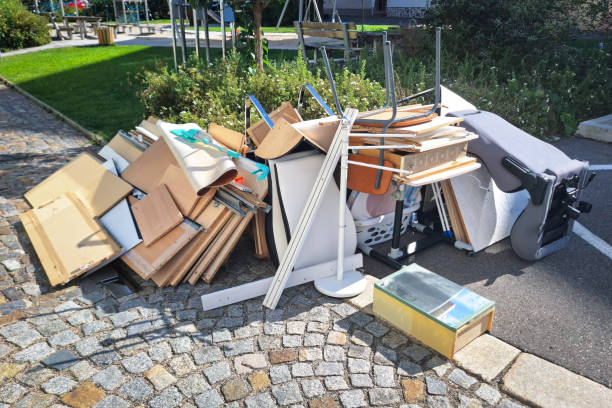
Efficient waste collection is the backbone of commercial junk removal. Businesses must establish a clear collection plan to manage the large volumes of waste produced. Unlike residential junk removal, commercial operations often require multiple bins, designated collection areas, and scheduled pickups to prevent accumulation. A structured collection system ensures that trash is properly segregated, reducing contamination and enhancing recycling efforts. Businesses should coordinate with professional junk removal services to determine the frequency and timing of collections based on operational needs. Properly scheduled waste collection minimizes workplace disruption and ensures a clean environment for employees and clients. Additionally, organizing collection areas with labeled bins for recyclables, non-recyclables, and hazardous materials encourages staff participation and compliance. Efficient collection reduces the likelihood of clutter, eliminates safety hazards, and streamlines the disposal process. Ultimately, consistent and organized waste collection allows businesses to maintain operational efficiency, regulatory compliance, and a professional atmosphere while supporting sustainability initiatives.
Segregating Materials
Segregation of materials is a critical step in commercial junk removal. Businesses need to separate recyclable items, non-recyclable waste, and hazardous materials to facilitate proper disposal. Unlike residential junk removal, commercial operations generate diverse waste types that require careful handling. Proper segregation ensures that recyclable materials like paper, cardboard, metals, and plastics are diverted from landfills and sent to appropriate recycling facilities. Hazardous materials, including batteries, chemicals, and electronics, must be handled by licensed professionals to prevent environmental contamination and health risks. Clear labeling and designated disposal areas help staff comply with segregation protocols and minimize errors. Segregation also enables businesses to track waste generation patterns, optimize disposal schedules, and identify opportunities to reduce waste at the source. A well-implemented segregation strategy not only supports sustainability but also promotes a safer workplace, reduces disposal costs, and demonstrates corporate responsibility. By managing materials efficiently, companies maintain an organized environment while minimizing their impact on the community and environment.
Partnering with Licensed Junk Removal Services
Partnering with licensed commercial junk removal services is essential for businesses that generate large volumes of waste. Unlike residential junk removal, commercial waste often includes bulky, heavy, or hazardous items requiring specialized equipment and trained personnel. Licensed professionals ensure compliance with local regulations, safely transport materials, and dispose of items in an environmentally responsible manner. Working with certified junk removal providers also allows businesses to schedule pickups based on operational needs, minimizing disruption to daily activities. Partnering with experts reduces liability risks and ensures that hazardous or restricted materials are handled properly. These professionals offer flexible services, including on-demand pickups, regular scheduled collections, and environmentally conscious disposal solutions. By collaborating with licensed junk removal services, businesses can maintain clean, compliant, and organized facilities while focusing on core operations. Additionally, using professional services demonstrates a commitment to sustainability and safety, creating a positive impression for clients, employees, and the community.
Implementing Recycling Programs
Recycling is a vital component of commercial junk removal. By establishing recycling programs, businesses can divert significant amounts of materials from landfills, including paper, cardboard, plastics, and metals. Unlike residential junk removal, commercial recycling often involves large-scale operations with multiple collection points and frequent pickups. Educating employees on proper recycling procedures ensures compliance and prevents contamination of recyclable materials. Regular audits help identify recyclable streams, optimize collection practices, and reduce waste disposal costs. Implementing recycling programs also supports environmental responsibility, enhances a company’s public image, and may qualify the business for tax incentives or local recognition programs. A structured recycling initiative encourages staff participation, improves operational efficiency, and aligns with sustainability goals. By integrating recycling into commercial junk removal practices, businesses not only contribute to environmental preservation but also demonstrate leadership in responsible waste management and corporate social responsibility.
Handling Hazardous Waste
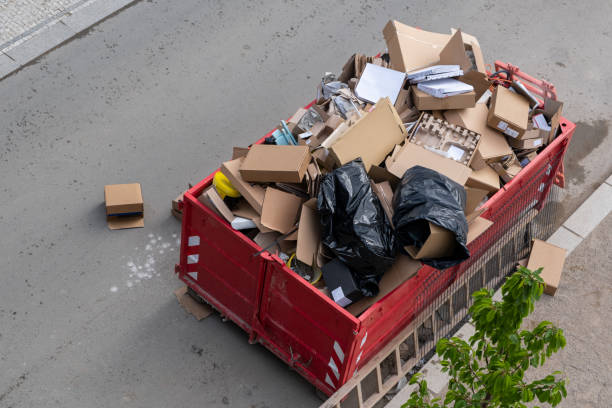
Proper handling of hazardous waste is a crucial part of commercial junk removal. Businesses often generate materials such as chemicals, batteries, electronics, and medical waste that pose health and environmental risks if not disposed of correctly. Unlike residential junk removal, commercial facilities produce hazardous waste in larger quantities or complex forms requiring specialized equipment and expertise. Storing hazardous materials securely, labeling them appropriately, and arranging disposal through licensed professionals ensures safety and compliance with regulations. Staff must be trained to handle these materials carefully to prevent accidents and exposure. Licensed hazardous waste handlers follow strict protocols for collection, transport, and disposal, mitigating potential legal, financial, and environmental consequences. Effective hazardous waste management protects employees, clients, and the surrounding community while maintaining a professional and safe business environment. By prioritizing responsible hazardous waste disposal, companies reduce liability, demonstrate corporate responsibility, and promote long-term environmental sustainability.
Regular Pickup Scheduling
Consistent scheduling of junk removal pickups is vital for maintaining clean and safe commercial spaces. Unlike residential junk removal, commercial operations often require daily, weekly, or biweekly pickups depending on the volume and type of waste generated. Regular pickups prevent accumulation of junk, reduce workplace hazards, and ensure compliance with local regulations. Businesses can coordinate with professional junk removal services to establish a schedule tailored to operational demands. Efficient scheduling also allows for better management of storage areas, containers, and recycling bins. Regular pickups minimize disruption to employees and clients, reduce odors, prevent pest infestations, and promote a professional atmosphere. By maintaining a consistent schedule, businesses optimize operational efficiency, save on disposal costs, and create a healthier workplace environment. Professional junk removal services provide the flexibility to adjust pickup frequency as needed, ensuring that waste management remains effective year-round.
Employee Training on Waste Procedures
Training employees on proper waste management procedures is essential for successful commercial junk removal. Staff need to understand how to segregate materials, handle hazardous items safely, and utilize designated disposal areas efficiently. Unlike residential junk removal, commercial facilities often deal with heavy, bulky, or dangerous materials requiring careful handling. Training programs should include instructions, demonstrations, and accessible reference materials to ensure compliance. Educating employees fosters accountability and reduces errors, such as mixing recyclables with non-recyclables or mishandling hazardous substances. Refresher courses help maintain awareness of updated regulations and company policies. Encouraging staff participation in waste reduction initiatives, such as recycling and source minimization, strengthens organizational sustainability efforts. Properly trained employees contribute to a safer, cleaner workplace, reduce liability risks, and support compliance with local and federal regulations. By investing in employee education, businesses enhance operational efficiency and demonstrate a commitment to responsible and sustainable waste management practices.
Reducing Waste at the Source
Reducing waste at the source is one of the most effective strategies in commercial junk removal. Businesses can assess operations to identify areas where materials can be minimized, reused, or replaced with sustainable alternatives. For instance, adopting digital documentation reduces paper waste, while optimizing packaging materials limits excess. Unlike residential junk removal, commercial operations benefit from proactive waste reduction strategies that prevent the generation of large volumes of junk. Source reduction lowers disposal costs, supports sustainability, and improves operational efficiency. Businesses can collaborate with suppliers to reduce packaging, participate in take-back programs, or reuse materials internally. Encouraging employees to adopt sustainable practices, such as using reusable containers and limiting disposable items, reinforces waste minimization efforts. By addressing waste at its origin, businesses maintain cleaner workspaces, reduce environmental impact, and foster a culture of responsibility and efficiency that benefits both employees and the community.
Conclusion
Efficient commercial junk removal is essential for maintaining a clean, safe, and professional business environment. By implementing structured waste collection, segregation, recycling, hazardous waste handling, employee training, source reduction, and compliance measures, businesses can streamline operations and minimize environmental impact. Partnering with professional junk removal services ensures safe, reliable, and environmentally responsible disposal for both commercial and residential waste needs. For businesses in Roseville, Clifford’s Junk Removal offers expert services in commercial and residential junk removal, helping companies maintain organized and compliant facilities. Contact us at 19162323588 to schedule a service or consultation. Let our team handle your junk efficiently, allowing you to focus on running your business while keeping your space clean and professional.