Construction projects, whether small renovations or large-scale builds, generate significant amounts of debris. From broken concrete and scrap wood to metal and packaging materials, unmanaged debris can create safety hazards, slow down project timelines, and negatively affect the overall work environment. While some may focus on residential junk removal for home cleanup, commercial construction debris requires more structured management due to its size, volume, and potential hazards. Proper construction debris removal ensures that your project stays organized, efficient, and compliant with local regulations. Working with professional services not only maintains a safe workspace but also reduces delays and environmental impact. Understanding the benefits of construction debris removal can help project managers and homeowners maximize productivity, protect their teams, and maintain a cleaner, more professional project site.
Enhancing Workplace Safety
Construction debris often includes sharp objects, heavy materials, and hazardous substances that can pose significant safety risks on a job site. Proper removal of this debris is crucial to prevent injuries among workers, contractors, and visitors. While residential junk removal typically handles household clutter, construction debris often contains nails, splintered wood, concrete chunks, and metal scraps that can cause trips, cuts, or more severe accidents. Maintaining a clean and organized work area through regular debris removal reduces these hazards and supports compliance with safety standards. Workers are able to move efficiently and focus on their tasks without worrying about hidden dangers. Additionally, safe debris management helps businesses avoid potential legal liabilities associated with accidents. Incorporating scheduled debris removal into your construction plan ensures that hazardous materials are promptly and safely disposed of. Partnering with experienced junk removal professionals guarantees the proper handling of all materials, including potentially toxic substances. By prioritizing safety, project managers not only protect the workforce but also improve overall productivity and morale, creating an environment where work can proceed efficiently and without unnecessary interruptions caused by clutter or unsafe conditions.
Improving Project Efficiency
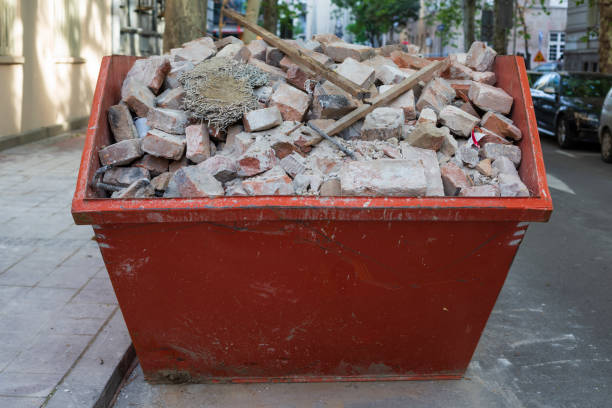
Unmanaged construction debris can slow down project timelines and create unnecessary delays. When materials pile up on a job site, workers spend more time navigating around clutter, locating necessary tools, and dealing with obstacles. Unlike residential junk removal, which often involves occasional pickups of household items, construction debris removal requires frequent, organized disposal to maintain a smooth workflow. Clearing debris promptly allows teams to focus on their tasks, reducing wasted time and increasing overall efficiency. Contractors can complete phases of the project faster when the workspace remains organized and free of obstructions. Professional debris removal services provide scheduled pickups, ensuring that materials are consistently removed without disrupting ongoing work. Efficient removal also prevents the need for last-minute cleanups that could stall progress or require additional labor. Additionally, well-managed debris disposal supports better inventory management, as materials that can be salvaged or recycled are sorted systematically rather than discarded indiscriminately. By investing in proper construction debris removal, project managers create a more streamlined work environment that enhances productivity, reduces downtime, and helps projects stay on schedule, ultimately saving both time and resources for the business.
Reducing Environmental Impact
Construction debris, if not properly managed, can have a significant impact on the environment. Materials such as concrete, wood, metals, plastics, and packaging can contribute to landfill overcrowding and pollution. Residential junk removal focuses on household waste, but construction debris often requires specialized disposal methods to ensure environmental responsibility. Recycling and reusing construction materials reduces the need for raw materials, conserves resources, and minimizes landfill contributions. Professional debris removal companies are equipped to sort, process, and transport waste to recycling centers or specialized facilities, ensuring sustainable disposal practices. By implementing proper debris removal, project managers can reduce their project’s carbon footprint and demonstrate a commitment to environmental stewardship. Proper handling of hazardous materials, such as paints, solvents, and asbestos, prevents soil and water contamination, protecting both workers and surrounding communities. Companies that prioritize environmentally conscious construction practices also enhance their reputation among clients, partners, and regulators. By addressing waste responsibly, construction projects can balance operational efficiency with ecological responsibility, contributing positively to the environment while maintaining compliance with laws and regulations. Incorporating debris removal into your project plan is a proactive way to minimize environmental impact and support sustainable building practices.
Supporting Compliance with Regulations
Construction projects are subject to local, state, and federal regulations regarding waste management and disposal. Non-compliance can result in fines, legal consequences, and project delays. Unlike residential junk removal, which is often less regulated, construction debris includes materials such as hazardous waste, large volumes of scrap, and specialized building materials that must be disposed of according to specific rules. Professional debris removal services are knowledgeable about the applicable regulations and provide documentation and certified disposal methods. Ensuring compliance protects the business from potential legal issues and reinforces a commitment to safety and environmental standards. Proper disposal of construction debris also includes segregating hazardous materials, recycling eligible items, and ensuring that waste is transported to authorized facilities. Project managers who integrate compliance-focused debris removal into their workflows create a safer and more accountable environment for workers and clients. Additionally, adherence to regulations helps secure approvals and inspections, maintaining the smooth progress of the construction project. By prioritizing regulatory compliance through professional debris management, businesses safeguard both their reputation and operational efficiency, creating a transparent and responsible approach to construction waste.
Maximizing Available Space
Construction sites can quickly become cluttered with leftover materials, discarded packaging, and broken equipment. Managing debris is essential for maximizing available space and maintaining an organized work environment. Unlike residential junk removal, which typically involves small areas, construction debris requires systematic clearance to ensure that work zones are functional and safe. Clearing debris not only improves navigation and movement on-site but also allows for better storage of essential materials, tools, and equipment. A well-organized workspace minimizes the risk of damage to building materials and reduces the likelihood of accidents caused by clutter. Professional debris removal services can coordinate scheduled pickups and ensure that large or heavy materials are safely removed without disrupting ongoing work. Maximizing space also supports project efficiency by enabling multiple teams to work simultaneously without interference. Additionally, organizing debris for recycling or repurposing helps identify materials that can be reused, reducing waste and associated costs. By maintaining a clear, organized construction site, project managers enhance workflow, create safer conditions, and foster a professional environment that supports timely project completion.
Preventing Pest Infestations
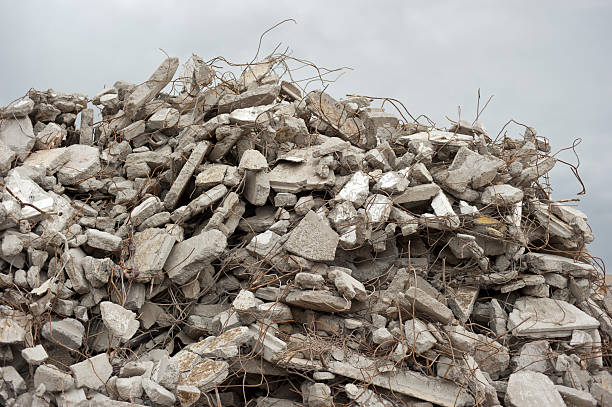
Accumulated construction debris can attract pests, including rodents, insects, and other wildlife, which pose health risks and damage materials. Unlike residential junk removal, construction sites generate debris that may include food waste, cardboard, wood, and packaging, which can create ideal breeding grounds for pests. Regular debris removal reduces these risks by eliminating potential nesting and feeding areas. Professional junk removal services ensure that waste is promptly and safely disposed of, minimizing opportunities for pest infestations. Preventing pests also protects workers and maintains compliance with health regulations. Pest-free sites reduce the likelihood of material contamination or structural damage, which can otherwise lead to additional costs and delays. By prioritizing debris removal, construction projects create safer, cleaner, and healthier environments for workers. Incorporating debris management into project plans demonstrates a proactive approach to maintaining workplace health and safety. Timely removal of construction waste is critical not only for operational efficiency but also for mitigating long-term issues related to pest control and environmental health, supporting a more productive and sustainable project outcome.
Enhancing Project Appearance
The visual appearance of a construction site reflects professionalism and project management standards. Sites cluttered with debris can appear chaotic and unorganized, leaving a negative impression on clients, inspectors, and visitors. Unlike residential junk removal, where aesthetics may be less critical, construction projects benefit from clear and organized work areas. Removing debris regularly ensures that the site remains presentable, allowing stakeholders to assess progress easily. Professional debris removal services provide structured and scheduled cleanups, maintaining a neat appearance throughout the project lifecycle. A well-maintained site enhances team morale, reduces stress, and promotes efficiency by creating clear pathways and accessible work zones. It also supports compliance with safety inspections and local ordinances, which often require orderly sites. Project managers who invest in debris removal demonstrate attention to detail and commitment to quality, leaving a positive impression on clients and reinforcing the company’s reputation. Beyond aesthetics, a clean site facilitates better workflow, reduces accidents, and improves the overall project experience for everyone involved.
Facilitating Recycling and Reuse
Construction debris often contains materials suitable for recycling or reuse, including metals, wood, plastics, concrete, and packaging. Proper debris removal ensures that these materials are separated, sorted, and transported to appropriate recycling facilities. Unlike residential junk removal, which primarily involves non-reusable household items, construction projects can benefit from significant cost savings through material recovery. Professional debris removal companies provide expertise in identifying reusable or recyclable materials and offer structured processes for their collection. Recycling construction debris supports sustainability goals, reduces landfill contributions, and lowers overall project costs. Materials like scrap wood, metal beams, and concrete can often be repurposed for other projects, contributing to operational efficiency and reducing the need for new resources. Incorporating recycling and reuse strategies demonstrates corporate responsibility, aligns with environmental standards, and enhances the company’s public image. By managing construction debris thoughtfully, project managers can ensure that resources are used efficiently, waste is minimized, and environmental impact is reduced, all while maintaining a clean and organized worksite.
Conclusion
Managing construction debris is essential for maintaining a safe, efficient, and professional project site. From enhancing safety and efficiency to supporting sustainability and regulatory compliance, debris removal offers numerous benefits for both contractors and project managers. Incorporating professional debris management ensures that materials are handled responsibly, workspaces remain organized, and projects stay on schedule. For businesses and homeowners in Roseville seeking reliable debris removal, Clifford’s Junk Removal provides expert services in both construction and residential junk removal. Our team handles all types of debris, offering scheduled pickups, recycling options, and environmentally responsible disposal. Keep your project site safe, efficient, and clean with our professional support. Contact us today at 19162323588 to schedule a service or consultation and experience hassle-free debris management that supports successful project completion.