Managing unused commercial appliances can be a significant challenge for businesses, from restaurants and offices to industrial facilities. Left unchecked, outdated or nonfunctional appliances can occupy valuable space, create safety hazards, and lead to operational inefficiencies. Many business owners are familiar with residential junk removal practices but may not realize that commercial appliances often require specialized disposal methods due to size, weight, or hazardous components like refrigerants or electrical parts. Proper disposal not only ensures compliance with environmental regulations but also promotes sustainability by allowing items to be recycled or refurbished when possible. Partnering with professional junk removal services ensures that your unused appliances are removed safely and efficiently. By understanding the right procedures for handling these items, businesses can free up space, reduce risks, and contribute positively to the environment.
Identifying Appliances That Need Disposal
Before disposing of commercial appliances, it is essential to conduct a thorough assessment to identify which items are no longer useful. This can include refrigerators, ovens, freezers, dishwashers, and other electrical equipment that has become outdated, broken, or inefficient. Unlike residential junk removal, commercial appliances often contain complex components that require specialized handling, including refrigerants, wiring, and heavy metals. Businesses should consider the operational life of each appliance, potential repair costs, and compliance with safety standards when determining if disposal is the best option. Taking stock of unused appliances also helps identify storage or space issues within the facility, ensuring that the workspace remains organized and efficient. By creating a comprehensive inventory of appliances ready for removal, businesses can plan the disposal process, estimate costs, and coordinate with professional services that have experience in safely handling large, heavy, or hazardous items. Proper identification reduces risks of accidents, supports compliance with local regulations, and prepares the business for smooth, responsible disposal practices.
Assessing Environmental and Safety Considerations
Disposing of commercial appliances requires careful attention to environmental and safety considerations. Many appliances contain substances such as refrigerants, oils, and electronic components that, if improperly disposed of, can be harmful to both humans and the environment. Unlike residential junk removal, commercial appliance disposal often involves larger volumes of hazardous materials that must be handled by certified professionals. Businesses should review local environmental regulations to ensure that the disposal process complies with municipal, state, and federal laws. Proper containment of hazardous materials prevents leaks, contamination, and potential legal liabilities. Safety protocols must also be implemented when moving heavy appliances, including the use of proper lifting equipment, gloves, and protective gear to prevent injuries. Partnering with professional junk removal services ensures that environmental standards are met, employees remain safe, and appliances are either recycled, refurbished, or disposed of responsibly. By considering both environmental impact and safety, businesses demonstrate corporate responsibility, protect their workforce, and maintain compliance while removing unnecessary appliances from their facilities.
Sorting Appliances by Material and Type (Approx. 250 words)
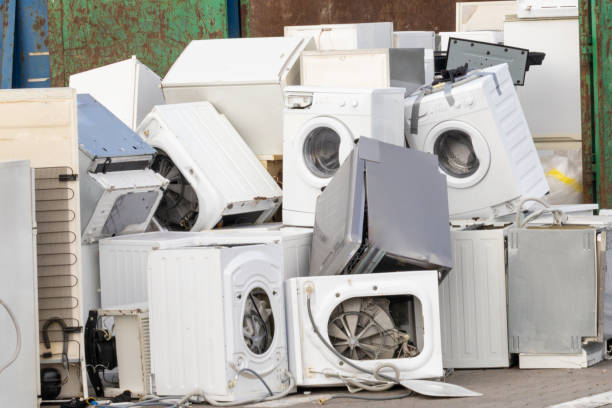
Sorting commercial appliances by material and type is an important step in the disposal process. Appliances may include components such as metals, plastics, glass, electronics, and refrigerants, each of which requires different handling methods. Unlike residential junk removal, where items are often small or single-purpose, commercial appliances are larger and more complex, necessitating a structured approach to sorting. Metals can often be recycled, while electronic parts require specialized e-waste disposal to prevent environmental contamination. Refrigerants and other chemical components need careful extraction and disposal by licensed professionals. By categorizing appliances, businesses can streamline removal and recycling, reduce waste that ends up in landfills, and ensure compliance with safety regulations. Sorting also helps in planning logistics, as different types of materials may require unique transport vehicles, containers, or pickup schedules. Establishing a clear sorting system improves efficiency, minimizes environmental impact, and allows businesses to safely manage large volumes of unused commercial appliances. This process also promotes responsible practices and helps build a culture of sustainability within the organization.
Partnering with Licensed Disposal Services
Professional junk removal services are essential for safely disposing of commercial appliances. These licensed services possess the equipment, expertise, and permits necessary to manage large or hazardous items effectively. Unlike residential junk removal, commercial appliances often require specialized handling due to weight, size, or hazardous materials like refrigerants. Licensed services can extract and transport appliances without risking damage to the facility or injuries to staff. They also ensure compliance with environmental regulations, recycling requirements, and legal standards. By partnering with professionals, businesses gain peace of mind, knowing that appliances will be removed efficiently, safely, and responsibly. Service providers often offer flexible scheduling, including on-demand pickups for urgent removal needs. Additionally, professional companies can provide documentation of disposal or recycling, which is essential for compliance audits. Selecting the right service provider involves verifying licenses, reviewing safety practices, and confirming that disposal methods align with environmental regulations. Working with experienced professionals ensures that commercial appliance removal is hassle-free, compliant, and environmentally responsible, supporting both operational efficiency and corporate responsibility.
Scheduling Timely Appliance Removal
Timely removal of unused appliances is critical to maintaining a safe and organized commercial space. Appliances left in storage areas or operational spaces can become obstacles, reduce efficiency, and create safety hazards. Unlike residential junk removal, commercial environments often involve heavier equipment and higher volumes of waste, making timely scheduling crucial. Businesses should coordinate with licensed removal services to establish a schedule that aligns with operational needs and waste management practices. Planning ahead prevents last-minute disruptions, ensures compliance with municipal regulations, and reduces storage congestion. Proper timing also supports recycling and hazardous material disposal protocols, as scheduled pickups allow for safe extraction and transport of appliances. A structured schedule promotes consistency, prevents accumulation of unnecessary equipment, and helps maintain a professional workspace. By proactively planning removal, businesses can avoid unnecessary risks, save on potential fines or storage costs, and support sustainability initiatives through responsible recycling and disposal practices.
Removing Hazardous Components Safely
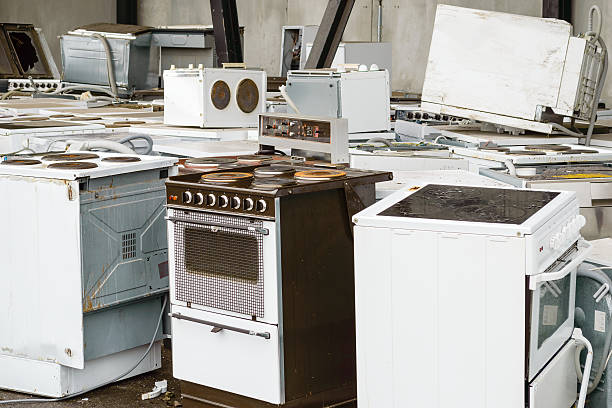
Commercial appliances often contain hazardous components such as refrigerants, oils, or electrical parts that require specialized handling. Improper disposal can lead to environmental contamination, health risks, and legal liabilities. Unlike residential junk removal, commercial appliances typically involve larger quantities of hazardous materials and more complex extraction procedures. Businesses should ensure that all hazardous components are safely removed by trained professionals using approved methods and equipment. Licensed services follow strict guidelines for containment, transportation, and disposal, preventing leaks or exposure during the process. Employees must also be trained to avoid direct contact with dangerous materials and to follow safety protocols when moving appliances. Proper removal of hazardous components ensures regulatory compliance, protects the environment, and safeguards the well-being of staff and customers. Additionally, safe handling increases the likelihood that non-hazardous parts of appliances can be recycled or refurbished, promoting sustainability. Prioritizing safety and environmental responsibility in appliance disposal reflects positively on the business and demonstrates a commitment to professional and ethical operations.
Recycling and Repurposing Opportunities
Commercial appliances often contain materials that can be recycled or repurposed. Metals, plastics, glass, and electronic components can be processed to create new products, reducing the environmental impact of disposal. Unlike residential junk removal, where small items are often sent to landfills, commercial appliances provide significant opportunities for material recovery. Partnering with licensed junk removal services ensures that recyclable components are extracted and delivered to certified recycling facilities. Additionally, some appliances can be refurbished or donated to organizations that support community initiatives, extending their useful life and minimizing waste. Identifying recycling or repurposing opportunities requires knowledge of material composition, hazardous component handling, and local recycling regulations. Businesses that actively pursue these options contribute to sustainability, reduce disposal costs, and strengthen their environmental reputation. Implementing structured recycling or repurposing programs aligns commercial operations with eco-friendly practices and demonstrates responsibility to employees, clients, and the broader community. Effective recycling and repurposing strategies ensure that discarded appliances are handled responsibly and contribute positively to environmental conservation efforts.
Training Staff on Proper Disposal Protocols
Employee training is a crucial element of managing commercial appliance disposal. Staff should understand proper procedures for handling large, heavy, or hazardous equipment. Unlike residential junk removal, where items are often small and easy to move, commercial appliances present unique risks such as physical injury, electrical hazards, or exposure to harmful substances. Training programs should cover safe lifting techniques, segregation of hazardous components, proper use of protective equipment, and communication protocols during disposal. Ensuring that employees are aware of local regulations and company policies promotes compliance and reduces the likelihood of accidents. Additionally, staff education fosters accountability, encourages participation in sustainability initiatives, and supports the smooth operation of removal schedules. Well-trained employees can identify potential hazards, prepare appliances for pickup, and assist in recycling or repurposing efforts. By investing in staff training, businesses enhance workplace safety, reduce legal risks, and ensure that commercial appliance disposal is conducted efficiently and responsibly, maintaining a professional and organized operational environment.
Conclusion
Proper disposal of unused commercial appliances is essential for maintaining a safe, organized, and environmentally responsible workplace. By identifying appliances for removal, assessing safety and environmental considerations, sorting materials, partnering with licensed services, and implementing recycling strategies, businesses can operate efficiently while reducing their environmental footprint. Training employees, scheduling timely pickups, and documenting all disposal activities ensures compliance and promotes operational excellence. For businesses in Roseville seeking professional assistance, Clifford’s Junk Removal provides expert services in both commercial and residential junk removal. Our trained team handles all types of appliances safely, efficiently, and responsibly, offering flexible scheduling and environmentally conscious solutions. Keep your facility organized, compliant, and sustainable by contacting us today at 19162323588 to schedule a consultation or service. Let Clifford’s Junk Removal help your business manage appliance disposal with professionalism and care.