Clearing a construction site can be overwhelming without the right plan and service. Whether you’re renovating a home, remodeling a room, or completing a large construction project, debris and leftover materials can quickly pile up. Managing this waste efficiently is essential for safety, organization, and environmental responsibility. That’s where Residential Junk Removal services play a vital role. These professionals specialize in handling construction debris—from broken drywall and wood scraps to heavy concrete and metal—ensuring your property remains clean and hazard-free.
Understanding the proper steps to remove construction debris not only saves time and effort but also prevents unnecessary disposal fees or fines. This comprehensive guide walks you through each stage of the process, helping homeowners and contractors maintain a safe, clutter-free, and eco-conscious space while enhancing project efficiency and site appearance.
Understanding the Importance of Proper Construction Debris Removal
Proper construction debris removal is crucial for maintaining safety, cleanliness, and compliance. During renovation or remodeling, debris such as nails, tiles, bricks, and metal scraps can pose serious hazards if left unattended. Piles of construction waste not only obstruct movement but also increase the risk of injuries and pest infestations. Professional Residential Junk Removal ensures that all waste materials are collected, sorted, and disposed of responsibly.
This process also reduces the environmental footprint since recyclable materials like wood, metal, and concrete can be repurposed. In addition, prompt removal minimizes dust and allergens that can impact indoor air quality. Understanding these benefits encourages property owners to prioritize timely debris removal instead of letting clutter accumulate. It also reflects well on project management, showing responsibility and commitment to sustainability. Whether for small residential remodels or large-scale renovations, proper debris removal safeguards your investment and keeps your property in top shape from start to finish.
Preparing Your Site Before Debris Removal
Preparation is key to an efficient cleanup. Before scheduling Residential Junk Removal, ensure that your site is organized and ready for collection. Start by identifying different types of debris such as concrete, wood, insulation, metal, and drywall. Separate hazardous materials like paint, adhesives, or asbestos for proper disposal, as they require special handling. Clear pathways for removal teams to safely access the waste, and secure any valuable tools or materials to avoid confusion.
Labeling and sorting debris beforehand saves significant time for the cleanup crew, ensuring smoother hauling and quicker completion. Another important step is to communicate the scale of the job with your junk removal company. By doing so, they can bring the appropriate equipment, trucks, and manpower for efficient service. Good site preparation not only speeds up debris removal but also prevents damage to your property. The more organized your workspace, the easier and safer it becomes for professionals to perform their task efficiently.
Sorting and Categorizing Construction Waste
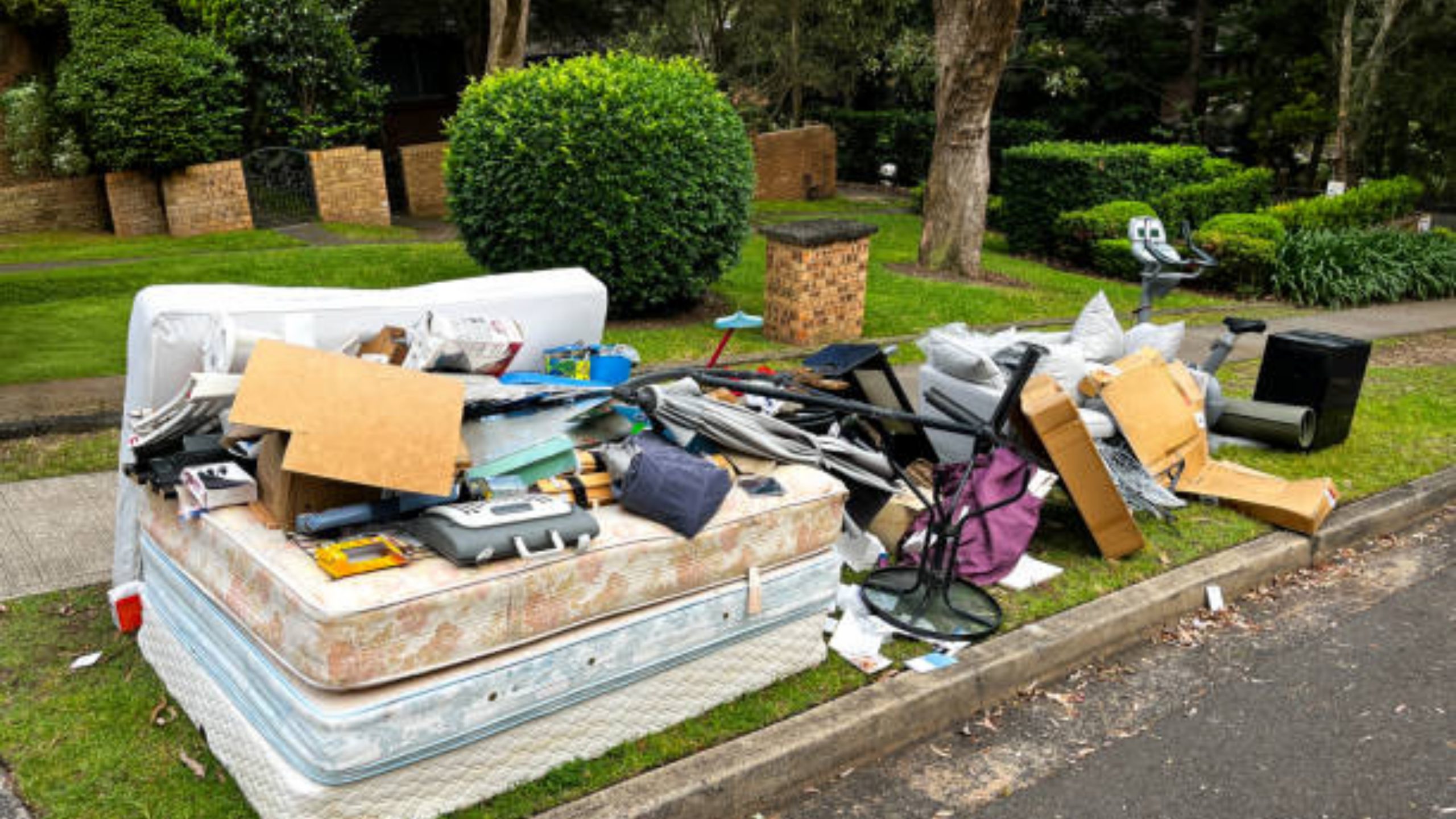
Sorting construction waste may seem tedious, but it’s one of the most important steps in the cleanup process. Properly categorizing debris helps maximize recycling and minimizes landfill contributions. Residential Junk Removal professionals often recommend separating waste into categories such as recyclable, reusable, and non-recyclable materials. Items like metal, wood, and concrete can often be recycled or repurposed for future use, while insulation, plaster, and certain treated woods may need to go to specific facilities.
Sorting also allows for a more cost-effective cleanup, as many junk removal companies offer discounts for recyclable materials. Furthermore, keeping hazardous items like solvents and chemicals separate prevents contamination and ensures compliance with local disposal regulations. Homeowners benefit from this process because it reduces overall removal costs, promotes sustainability, and keeps the neighborhood cleaner. By understanding how to properly sort construction waste, you take a big step toward responsible disposal and environmentally conscious renovation practices.
Choosing the Right Residential Junk Removal Company
Selecting the right junk removal company is critical for successful debris management. Not all removal services are equipped to handle heavy or hazardous construction materials, so it’s important to find professionals experienced in Residential Junk Removal and construction cleanup. Start by researching local companies and checking for proper licensing, insurance, and customer reviews. A reliable provider should offer transparent pricing, flexible scheduling, and the right-sized trucks for your specific job. It’s also worth asking whether the company prioritizes eco-friendly disposal methods such as recycling or donating reusable items. A trustworthy team will assess your site beforehand to provide an accurate estimate and ensure the process goes smoothly. Choosing the right company ensures not only convenience but also safety and environmental compliance. With professional expertise and efficient equipment, a good junk removal service can transform your cluttered construction site into a clean, organized space in no time.
Loading and Transporting Construction Debris Safely
Once your site is prepared and sorted, the next step is safe loading and transportation. Handling construction debris requires physical strength, precision, and proper equipment. Professionals offering Residential Junk Removal services use heavy-duty tools, safety gear, and large trucks to load and transport debris securely. It’s essential to avoid overloading vehicles, as this can cause spills or accidents during transit. Materials like concrete chunks, wood beams, and metal pipes must be arranged carefully to prevent shifting. In some cases, debris may need to be broken down into smaller pieces before loading for easier handling. Safety is a top priority, and removal experts follow strict procedures to ensure all debris is contained during transport. Additionally, professional haulers are familiar with local disposal regulations, ensuring that waste is delivered to approved facilities. By entrusting the loading and transportation phase to trained experts, homeowners can avoid the risks of injury and ensure efficient site clearance.
Recycling and Reusing Construction Materials
A major advantage of professional Residential Junk Removal is the ability to recycle and reuse a significant portion of debris. Many materials from construction sites, including wood, metal, concrete, and asphalt, can be processed and used again in new projects. For instance, reclaimed wood can be transformed into furniture or flooring, while recycled concrete can serve as gravel for road foundations. Reusing materials reduces waste volume, conserves natural resources, and lowers project costs. Professional junk removal companies often collaborate with recycling centers and donation facilities to ensure that usable materials are given a second life. This sustainable approach benefits both the environment and the community. It’s an excellent way to support eco-conscious construction practices and minimize landfill impact. Homeowners who prioritize recycling not only contribute to cleaner surroundings but also demonstrate environmental responsibility, aligning their renovation projects with modern sustainability standards.
Handling Hazardous Construction Waste Responsibly
Hazardous waste management is one of the most sensitive aspects of debris removal. Items like paint, adhesives, chemicals, and old insulation materials require careful handling and disposal to avoid contamination. Professional Residential Junk Removal companies are trained to identify hazardous substances and follow strict local regulations for their disposal. Mishandling these materials can lead to environmental pollution, health risks, and hefty fines. Responsible junk removal involves isolating hazardous waste and transporting it to certified disposal facilities that specialize in safe treatment. Some companies also provide documentation proving that hazardous materials were disposed of correctly. This not only ensures compliance but also gives homeowners peace of mind. Taking the extra step to handle such waste responsibly reflects a commitment to safety and sustainability. By partnering with experts, property owners can rest assured that all hazardous debris is removed safely and in accordance with environmental standards.
Post-Removal Cleanup and Site Inspection
After the main debris has been cleared, a thorough post-removal inspection ensures that no small fragments or hazardous materials are left behind. Professional Residential Junk Removal crews perform detailed sweeps of the area to check for nails, screws, glass shards, and leftover dust. They also evaluate the site’s cleanliness and safety for further construction or occupancy. This phase often includes light sweeping, vacuuming, or pressure washing, depending on the project’s scale. A clean and debris-free environment allows contractors to continue their work efficiently and homeowners to enjoy their newly renovated space without safety risks. Additionally, post-cleanup inspections help verify that all recyclable and hazardous materials were handled correctly. Ensuring the area is spotless not only boosts aesthetics but also prevents accidents and property damage. The attention to detail during post-removal cleanup demonstrates professionalism and guarantees long-term satisfaction with the results.
Cost Factors in Construction Debris Removal
Several elements influence the cost of construction debris removal, and understanding these helps homeowners budget effectively. The main factors include the volume and weight of debris, material type, labor involved, and distance to disposal facilities. Residential Junk Removal companies typically offer estimates based on cubic yardage or truckload size. Heavier materials like concrete or bricks tend to cost more due to disposal fees and handling requirements. Additional charges may apply for hazardous waste or recycling services. Scheduling also affects pricing—urgent or same-day services often come with premium rates. To get the best value, homeowners should compare quotes from multiple providers and ensure the company offers transparent pricing. Some providers even offer discounts for recyclable materials. Being informed about these factors allows you to make smarter decisions and avoid surprise expenses while ensuring your project site stays clean and compliant throughout the construction process.
Conclusion
Managing construction waste can be a demanding task, but with the right approach and professionals by your side, it becomes smooth and hassle-free. From sorting and recycling to transportation and final cleanup, each step of debris removal contributes to a safer and more organized project. Partnering with an expert Residential Junk Removal team ensures that every piece of debris is handled efficiently, safely, and sustainably.
For residents in Roseville, Clifford’s Junk Removal is your trusted partner for professional construction debris removal. We specialize in comprehensive cleanup services that save you time and effort while protecting your property and the environment. Contact us today at (916) 232-3588 to schedule your cleanup or request a free estimate. Let Clifford’s Junk Removal handle the heavy lifting so you can focus on what matters most—completing your construction project with confidence and peace of mind.