
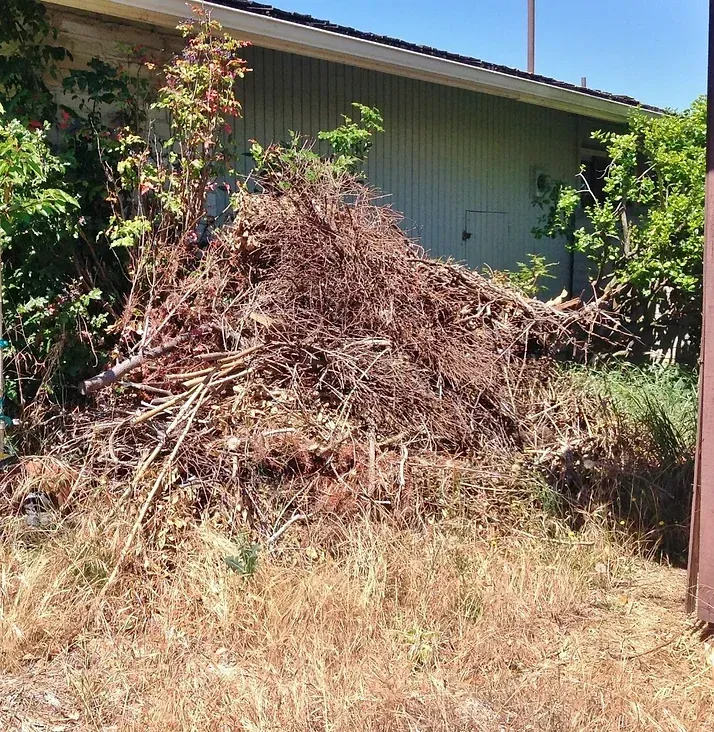
Yard waste often seems harmless at first glance, a few branches here, a pile of leaves there. Yet when these piles sit too long, they become breeding grounds for pests, mold, and hidden hazards. Damp clumps of grass clippings may trap moisture against the soil, leading to rot or inviting unwanted insects. Neglected heaps can even block sunlight from reaching your lawn, leaving behind brown patches that spread like stains on a once-lush yard.
Beyond affecting appearances, unmanaged yard waste can pose risks to the surrounding environment. Stormwater runoff can carry decaying organic matter into local waterways, altering their balance and threatening plant and aquatic life. Proper disposal isn’t just about tidying up but about protecting your soil, your garden’s health, and the broader ecosystem that extends beyond your property line.
Choosing the Right Time to Dispose of Yard Waste
The success of a clean-up often depends as much on timing as on effort. Clearing branches and leaves during wet or rainy periods tends to complicate the job by adding extra weight and moisture to already cumbersome piles. Wet debris can quickly become breeding grounds for bacteria, emitting foul smells that drift across outdoor spaces and discourage their use. Waiting for a dry spell before collecting or moving debris not only makes the material lighter and easier to handle but also reduces health and odor issues that accompany premature decomposition.
Seasonal awareness also plays a decisive role in keeping disposal efforts efficient. Tackling fallen leaves just before the onset of the rainy season prevents them from forming soggy mats that smother grass. Similarly, pruning shrubs and trees during early spring allows you to manage fresher, less dense clippings. Planning your clean-ups around these natural cycles ensures smoother handling, keeps tools from unnecessary wear, and preserves the yard’s appearance through the transitions of each season.

Separating Yard Waste for Safer Handling
Sorting yard waste into clear categories protects both the handler and the environment. Thick branches and brittle twigs often puncture regular garbage bags or scrape exposed skin if mixed haphazardly with grass clippings or leaves. Dividing tougher debris into separate sturdy containers minimizes these risks and helps maintain control over potentially sharp or awkwardly shaped pieces.
This separation also helps streamline later stages of the process. Materials suited for composting or mulching can be set aside from those requiring recycling or specialized disposal, reducing confusion at collection time. When each type of waste has its place from the start, there’s less chance of accidental contamination and far fewer delays during drop-off or pick-up, making the entire job smoother and more organized.
Preparing Tools and Protective Gear Ahead of Time
Attempting to manage piles of yard waste without suitable tools often results in unnecessary strain or even injuries. A durable rake makes gathering scattered leaves faster and less strenuous, while heavy-duty gloves shield hands from splinters and thorns hidden in branches. Sturdy boots provide stability on uneven or damp terrain, and protective eyewear prevents small debris from causing harm during cutting or hauling. Even a well-maintained pair of shears can transform difficult trimming jobs into manageable tasks by making cleaner, more efficient cuts.
Gathering these essentials before you begin saves time and energy in the long run. Instead of pausing mid-task to search for gloves or adjust tools, you maintain a steady pace, reducing fatigue and the temptation to rush. Being fully prepared helps prevent mishaps caused by improvisation, allowing you to focus on the work at hand and complete it with fewer interruptions.
Knowing Local Yard Waste Disposal Guidelines
Each municipality has its own regulations regarding yard waste, often specifying how materials should be bagged, when they’ll be collected, and where they should be dropped off. Ignoring these rules can lead to missed collection days or even fines, making your hard work feel wasted. Staying informed ensures that your efforts result in prompt and proper disposal without unnecessary setbacks.
Many communities now offer composting programs or separate bins to encourage eco-friendly waste management. Following these guidelines not only keeps your property compliant but also contributes to broader sustainability efforts. Observing local regulations reflects both good citizenship and environmental responsibility, as it helps keep neighborhoods cleaner and reduces the burden on landfill sites.
Preventing Hazards During Collection and Transport
Once waste is ready to be moved, safety during transport becomes just as important as the cleanup itself. Overstuffing bags or bins often causes them to split during lifting, scattering debris and doubling the work. By keeping loads light and manageable, you lessen the risk of spills and minimize the strain on your body.
Clear, unobstructed pathways also make the task less hazardous. Avoid dragging heavy items over damp soil to prevent lawn damage, and if needed, ask for assistance with bulkier branches or logs to prevent injuries. Simple steps like balancing loads on a wheelbarrow, tying down loose materials in a truck bed, and lifting properly with your legs rather than your back reduce both accidents and fatigue, making the entire disposal process safer and more efficient.
Protecting the Environment While Disposing Yard Debris
Yard work often leaves behind piles of organic waste that seem harmless until we consider their impact on the environment. Burning heaps of leaves or branches might feel like the fastest way to clear space, yet the thick smoke it produces drifts into the air, adding pollutants that linger in the atmosphere and irritate lungs. Likewise, tossing clippings or cut branches into drainage ditches can block waterways, causing localized flooding while washing decayed matter into streams and ponds where it disrupts aquatic ecosystems. These shortcuts save time initially but leave a heavier toll on nature’s balance.
The healthier approach lies in choosing sustainable methods such as composting or participating in municipal green waste initiatives. By turning grass clippings, leaves, and other natural debris into nutrient-rich compost, you feed the soil instead of burdening landfills. Many local programs now collect yard waste separately to recycle it into mulch or compost, preventing the release of methane gases that occur when organic matter decays in tightly packed landfill piles. Eco-conscious disposal transforms waste into a resource, letting your cleanup efforts support the earth rather than strain it.
Managing Hazardous Yard Waste Components
Not every scrap of yard waste belongs in the compost bin or green waste pile. Materials like treated lumber, rotting fences, or even bushes exposed to pesticides need more careful attention. When these items mix with typical organic matter, the chemicals they contain can seep into soil or water, spreading contamination far beyond your yard. This risk makes it crucial to separate hazardous materials before any disposal takes place.
Your local waste management facility can often guide you on the safest next steps for such items, including specialized drop-off sites or instructions for sealing and labeling. Treating these materials responsibly avoids potential harm to wildlife, preserves clean soil for gardening, and keeps toxins out of compost that would otherwise nurture future plants. Awareness and deliberate sorting create a safer, healthier cycle for both your property and the surrounding environment.
Enhancing Safety Through Regular Yard Maintenance
Routine attention to your yard plays a significant role in making future cleanups less daunting. When branches are pruned before they grow too heavy and leaves are cleared before they form slippery mats, the volume of debris never reaches overwhelming levels. This proactive approach limits the buildup of damp piles that could harbor mold, insects, or rodents.
Aside from curbing pest problems, a regularly tended yard is simply safer to navigate. Children and pets can roam without tripping over hidden branches or slipping on wet foliage, while adults face fewer hazards when performing upkeep or seasonal cleanup. Maintaining a consistent schedule for trimming, raking, and removing fallen debris ensures that disposal becomes an easy routine instead of a strenuous seasonal battle.
Ensuring a Healthier Yard with Proper Waste Disposal Practices
A well-kept yard is more than visually appealing; it is a thriving ecosystem where each plant benefits from a clean, balanced environment. When piles of decaying debris are left behind, they block sunlight, suffocate grass, and create pockets of moisture where weeds and plant diseases thrive. Over time, these conditions deplete soil nutrients and reduce the vitality of your lawn and garden beds.
Removing organic waste promptly helps maintain steady nutrient distribution in the soil, which in turn supports the growth of flowers, shrubs, and grass. With waste cleared away, roots breathe better, sunlight reaches every blade of grass, and rainwater drains evenly rather than pooling in rotting piles. These simple disposal habits not only keep the yard looking pristine but also foster healthier plant life, creating an outdoor space that’s welcoming, vibrant, and enjoyable for everyone.
Conclusion
Yard waste disposal often begins as a simple to-do list item, yet when approached with intention and consistency, it becomes an essential step in preserving the character and safety of your outdoor spaces. Proper disposal practices do more than keep your lawn free from clutter; they protect the soil beneath your feet, sustain the surrounding ecosystem, and prevent potential hazards from damp piles of decaying leaves or fallen branches. By planning your cleanup around the seasons, separating waste into manageable categories, and staying mindful of your community’s disposal guidelines, you create a routine that promotes both convenience and environmental well-being.
For larger projects or ongoing maintenance that requires more than just personal effort, professional help can make all the difference. Clifford’s Junk Removal in Roseville provides expert junk removal services tailored to handle heavy loads, maintain eco-friendly practices, and prioritize safety at every stage. Their skilled team helps you save time and avoid the strain of managing bulky or hazardous materials alone. Call 19162323588 to schedule their trusted services and experience the ease of keeping your property healthy, clean, and ready to be enjoyed in every season.