Clearing a path for furniture removal can transform a chaotic environment into a manageable one. Start by envisioning the journey each piece will take from its current position to the truck or designated storage area. Moving smaller items out of the way first not only creates physical breathing room but also prevents unexpected bottlenecks that can slow the process and amplify frustration. Allocating time to reorganize furniture placement before the removal team arrives gives the process a sense of control and predictability. When rooms are prepared in advance, movers experience less physical strain, and homeowners feel less mental pressure, creating a calmer overall atmosphere.
Creating a temporary staging area can make the removal process feel far less intrusive. Group items together in one corner rather than scattering them haphazardly across the house. This method protects fragile belongings while also giving you mental clarity and focus for each step of the day. Advance organization transforms a daunting, overwhelming task into a series of smaller, achievable objectives. Visual cues and clear pathways allow you to anticipate obstacles, reducing surprises that might otherwise trigger anxiety. With careful preparation, both the environment and the mindset are optimized for a smoother, more relaxed experience.
Scheduling at a Comfortable Pace
Rushing furniture removal magnifies stress and anxiety. Setting appointments with adequate spacing gives movers and homeowners the chance to approach the work deliberately and calmly. Choosing a time of day when personal energy is at its peak can improve focus, patience, and decision-making. If mornings bring a sense of clarity and calm, scheduling the removal then allows for a more composed experience than late afternoons when fatigue can heighten tension. Aligning tasks with natural energy rhythms helps everyone involved maintain a steady, measured pace throughout the day.
Additionally, leaving buffers between removal activities and other commitments reduces pressure and prevents overlapping stressors. Life rarely follows a perfect schedule, and deliberate timing allows room for unforeseen delays. When removals feel rushed, minor obstacles can feel insurmountable, escalating frustration unnecessarily. By pacing the process thoughtfully, homeowners gain mental clarity and a sense of control. Each step becomes less emotionally taxing, and the experience shifts from stressful to structured, predictable, and ultimately more satisfying.

Enlisting Support from Friends or Family
Even a single extra pair of hands can ease tension remarkably. Inviting friends or family to assist provides not only physical support but emotional reinforcement as well. Their presence fosters a shared sense of purpose and creates a more comfortable, lively atmosphere during the work. Large or bulky furniture items become far easier to handle with assistance, reducing physical strain and lowering overall stress levels. Sharing responsibilities prevents the task from feeling insurmountable for one person, offering relief from both mental and physical pressure.
Support also extends beyond lifting heavy items. Friends and family can provide moral support, help watch children or pets, prepare refreshments, or offer a listening ear during challenging moments. Encouraging conversation, humor, and collaboration makes the process less emotionally taxing. By engaging a trusted support network, the furniture removal process feels less isolating and more like a cooperative effort. What could be draining alone becomes an energized and motivating activity filled with camaraderie and shared accomplishment.
Using Proper Lifting and Carrying Techniques
Incorrect lifting methods can escalate tension quickly and even result in injury, which adds both physical and mental stress. Approaching heavy furniture with proper techniques is essential for a safe and efficient removal. Bend at the knees rather than the waist, maintain a straight back, and engage your leg muscles to handle the weight. Using protective gloves, sturdy shoes, and lifting straps further enhances comfort and reduces unnecessary strain. Every thoughtful action contributes to a calmer process by preventing aches, mishaps, and the anxiety that comes with potential accidents.
When possible, break larger pieces into smaller, more manageable sections. This shift from brute force to strategic movement emphasizes care over speed and makes even the heaviest items easier to navigate. Prioritizing safety and technique prevents accidents that could derail progress, ensuring that both movers and homeowners stay physically and mentally secure. Feeling competent and secure when handling heavy items naturally promotes patience, reduces frustration, and encourages a smoother, more predictable workflow. The combination of skill, equipment, and mindfulness turns what could be a stressful ordeal into a structured, controlled process.
Keeping Communication Clear and Consistent
Effective communication between movers, friends, or family members is essential to keeping stress levels low during furniture removal. Establishing a plan for each item’s destination and discussing the best methods for moving them prevents confusion and reduces the likelihood of disputes. Regular check-ins throughout the process help ensure that everyone is aligned and aware of current progress. Misunderstandings or assumptions can quickly amplify tension, but thoughtful, open discussion keeps expectations realistic and tasks coordinated.
In addition, using verbal cues, gestures, or other signals when moving large pieces helps avoid mishaps and keeps everyone in sync. Transparent communication about fragile items, tight spaces, or unforeseen obstacles allows for immediate problem-solving without unnecessary pressure. When dialogue flows freely, participants feel informed, confident, and engaged. A calm, consistent communication strategy transforms a potentially chaotic experience into a cooperative and controlled effort. It reduces tension, fosters teamwork, and ensures the removal process progresses efficiently and safely.
Taking Breaks to Recharge
Even short pauses can dramatically reduce stress during a furniture removal. Stepping away to hydrate, stretch, or take a brief rest gives both muscles and minds a chance to recover. Working continuously without breaks can lead to irritability, fatigue, and frustration, making the task feel far more daunting than it really is. Scheduling intermissions ensures energy levels remain balanced and promotes mental clarity, which allows for better problem-solving and greater patience throughout the day.
Planning breaks after moving each large item or completing a specific section of the home provides valuable opportunities to assess progress, adjust strategies, and simply breathe. These interludes foster a slower, more thoughtful pace, reducing errors and preventing unnecessary tension. Integrating regular rest periods transforms the removal process from relentless pressure into a manageable rhythm. Homeowners and helpers alike feel refreshed, composed, and capable of handling the challenges of furniture removal safely, efficiently, and without unnecessary stress.
Organizing Items by Priority or Usefulness
Sorting furniture before removal can greatly reduce decision-making stress. Grouping items according to necessity, sentimental value, or frequency of use creates structure and clarity in an otherwise chaotic situation. Items that are seldom used can be staged for disposal first, leaving space for higher-priority pieces. This methodical approach avoids haphazard decisions that can increase anxiety and ensures a smoother flow of work throughout the removal process.
Prioritization also improves communication with movers or helpers. When everyone understands what is most important, fewer mistakes occur and efficiency naturally increases. Organizing items logically provides visual cues of progress, giving homeowners a tangible sense of accomplishment. Preserving mental energy for critical tasks allows the process to feel more manageable and reduces the emotional strain that can accompany large-scale removals.
Using Protective Materials and Covers
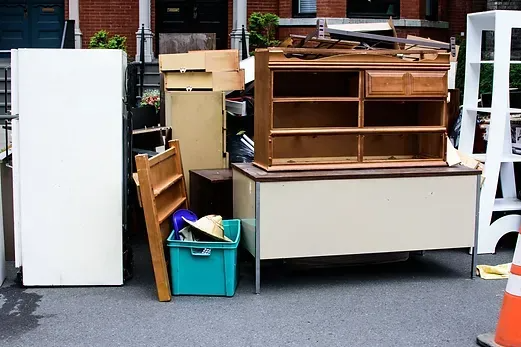
Furniture is often bulky, delicate, or both, making protective measures essential for minimizing stress. Blankets, padding, or plastic wraps shield items from scratches, dents, and unexpected damage during transport. Knowing that your belongings are properly safeguarded allows homeowners to relax and focus on the removal rather than worry about mishaps. Preparation in this area fosters confidence and helps make each lift or move feel controlled and deliberate.
Protection extends beyond individual furniture pieces. Floors, walls, and doorways are also vulnerable during the removal process. Using temporary covers, sliders, or other protective measures helps prevent accidental damage, a hidden source of stress that many people overlook. When every movement feels secure and safeguarded, homeowners and movers can operate more freely, creating a calmer, more relaxed environment.
Maintaining Flexibility for Unforeseen Changes
Furniture removals rarely go exactly as planned, so maintaining flexibility is critical for reducing stress. Being adaptable to last-minute alterations, such as item substitutions, tight spaces, or access difficulties, prevents tension from escalating. Embracing flexibility allows for creative problem-solving and helps maintain control over the situation. Accepting that adjustments are a natural part of the process fosters resilience, even when surprises arise.
Flexibility applies to timing, spatial arrangements, and personnel coordination alike. When obstacles appear, exploring alternative strategies rather than reacting with frustration maintains a calm atmosphere. A willingness to pivot ensures smoother progress, reduces emotional spikes, and transforms unexpected complications into manageable adjustments. Approaching removals with adaptability empowers homeowners to remain patient and resilient, turning potentially stressful scenarios into opportunities for creative, controlled decision-making.
Practicing Mindfulness and Breathing Techniques
Even brief moments of mindfulness can make a significant difference during furniture removal. Paying attention to your breath, body sensations, and the present task helps mitigate stress and heightens focus. Deep breathing exercises during heavy lifting reduce tension and promote mental clarity, creating a buffer between physical exertion and emotional reaction. Mindfulness provides space to respond thoughtfully, rather than impulsively, to challenges that arise throughout the day.
Engaging fully in the present moment also encourages gratitude for helpers, progress, and completed tasks. Pausing to breathe, observe surroundings, and recenter perspective makes the process feel less like a chore and more like a coordinated effort. Integrating mindfulness diminishes both mental strain and physical fatigue, transforming furniture removal into a deliberate, composed activity.
Conclusion
Reducing stress during furniture removal involves preparation, pacing, support, and mindful strategies. Each step, from organizing spaces and prioritizing items to practicing mindfulness and clear communication, contributes to a calmer, more manageable process. Planning ahead and allowing flexibility transforms an otherwise overwhelming experience into a structured, approachable task.
For dependable and efficient junk removal in Roseville, contact Clifford’s Junk Removal at 19162323588. Their team handles heavy furniture and debris with professionalism and care, ensuring a smooth, stress-free removal. Using expert services reduces physical strain, fosters peace of mind, and allows homeowners to focus on other responsibilities. Combining preparation, thoughtful planning, and professional assistance creates an optimal removal experience, leaving spaces organized, belongings protected, and homeowners confident and relaxed.