Commercial junk removal is a critical part of maintaining a clean, organized, and safe workplace. Unlike residential junk removal, which generally focuses on clearing household clutter, commercial spaces often deal with larger volumes of waste, heavier materials, and potentially hazardous items that require careful handling. From office furniture and electronics to construction debris and packaging materials, businesses generate waste that, if unmanaged, can lead to safety hazards, inefficiency, and regulatory violations. Understanding how to effectively manage and remove commercial junk helps businesses maintain a professional environment, improve operational efficiency, and comply with local disposal regulations. Partnering with experienced junk removal services ensures safe handling, environmentally responsible disposal, and a streamlined process tailored to your commercial needs.
Understanding Commercial Junk
Commercial junk encompasses any materials discarded by businesses, offices, or industrial facilities that are not suitable for regular trash disposal. Unlike residential junk removal, commercial junk often includes bulky office furniture, electronics, packaging, and building materials, all of which require careful handling and disposal. These materials may contain hazardous components such as batteries, chemicals, or electronic parts, making compliance with local regulations critical. Conducting a thorough waste audit helps businesses identify the types, volume, and frequency of junk disposal needed. Understanding what constitutes commercial junk also allows for better planning of disposal logistics, resource allocation, and environmental responsibility. Working with professional junk removal services ensures that hazardous materials are safely processed and recyclable items are properly segregated. By recognizing the full scope of commercial junk, businesses can maintain a safe, efficient, and compliant workspace while minimizing the environmental footprint of their operations.

Planning Commercial Junk Disposal
Planning is key to successful commercial junk removal. Businesses must evaluate the volume of junk generated, identify collection points, and determine how often removal is required. Unlike residential junk removal, which may involve occasional pick-ups, commercial spaces often need regular and structured disposal schedules. This includes coordinating with professional services for the safe handling of hazardous items or oversized debris. Establishing designated collection areas and providing clear instructions to employees ensures that junk is managed efficiently and does not interfere with operations. Logistics planning reduces clutter, prevents workplace hazards, and ensures compliance with environmental and municipal regulations. A structured disposal plan also helps businesses optimize costs, avoid emergency fees, and maintain a professional appearance. Careful planning guarantees that commercial junk is removed effectively, maintaining operational flow, employee safety, and a cleaner work environment.
Segregating Junk Materials
Segregation is a cornerstone of commercial junk removal. Businesses should separate recyclable, non-recyclable, hazardous, and organic materials to streamline disposal and reduce environmental impact. Unlike residential junk removal, commercial operations often generate large quantities of waste, which requires a systematic approach to avoid contamination. Designating bins or areas for each type of material helps employees follow proper procedures and ensures that recyclable items are processed efficiently. Hazardous materials, including chemicals, electronics, and batteries, require professional handling to prevent safety and legal issues. Implementing a clear segregation system increases operational efficiency, reduces disposal costs, and demonstrates corporate responsibility. Regular staff training and monitoring help maintain compliance with local regulations. By segregating junk correctly, businesses minimize risks, support recycling initiatives, and contribute to a safer, cleaner workplace for employees and clients.
Partnering with Professional Junk Removal Services
Working with professional commercial junk removal services is essential for businesses handling large or specialized waste. Unlike residential junk removal, which may involve small-scale pickup, commercial spaces require licensed services that can manage bulky furniture, electronics, and hazardous materials safely. Professional services provide the equipment, expertise, and regulatory compliance needed to ensure safe disposal and environmental responsibility. They also offer flexible scheduling to match the pace of your operations, reducing disruptions. Partnering with certified removal companies helps businesses avoid legal penalties and ensures proper recycling or disposal of items. These services often include secure transport, insurance, and tracking of materials for compliance purposes. By relying on professional services, businesses can focus on core operations, maintain a clean workspace, and uphold a reputation for responsible and sustainable practices.
Implementing Recycling Programs
Recycling programs are a vital part of responsible commercial junk removal. Businesses generate significant recyclable materials such as paper, cardboard, plastics, metals, and electronics, which, if managed properly, reduce landfill contributions and support sustainability. Unlike residential junk removal, commercial recycling often requires larger containers, scheduled pickups, and collaboration with certified recycling centers. Employee participation is critical; clear instructions, training, and signage help prevent contamination and ensure compliance. Businesses may also benefit from incentives or tax breaks for participating in recycling initiatives. Regular audits and tracking of recyclable materials improve program efficiency and reduce disposal costs. Establishing a structured recycling program demonstrates corporate responsibility, promotes environmental sustainability, and fosters a culture of accountability among employees while enhancing the company’s professional image.
Handling Hazardous Junk
Commercial spaces often generate hazardous waste that requires careful attention. Chemicals, electronic components, batteries, and other hazardous items pose safety risks and require compliance with strict disposal regulations. Unlike residential junk removal, where hazardous items are minimal, commercial operations frequently deal with higher volumes and complex materials. Businesses must store hazardous junk safely in clearly labeled containers and coordinate with licensed removal services for proper disposal. Training employees on handling procedures reduces accidents and ensures compliance. Proper management of hazardous materials protects employees, clients, and the surrounding community, while also preventing legal and financial repercussions. By prioritizing safety and professional disposal, businesses maintain an efficient and secure work environment while supporting environmental responsibility.
Scheduling Regular Junk Pickups
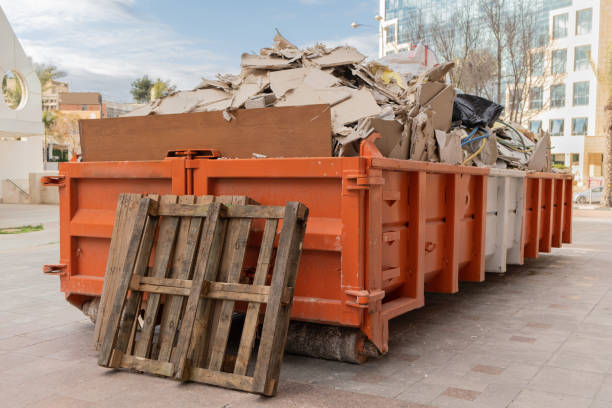
Regular pickup schedules are essential to maintaining a clean and organized commercial environment. Unlike residential junk removal, which is typically occasional, commercial spaces require consistent and structured pickups to handle ongoing waste generation. Frequent removal reduces clutter, prevents safety hazards, and maintains operational efficiency. Scheduling also allows businesses to optimize storage areas, plan container sizes, and avoid overflow issues. Professional services can tailor pickup schedules to match business needs, whether daily, weekly, or monthly. Efficient scheduling reduces disruptions to daily operations, controls costs, and ensures proper handling of hazardous or recyclable materials. Consistent pickups support environmental initiatives and help businesses maintain a professional image for employees, visitors, and clients.
Employee Training on Junk Protocols
Employee participation is vital for successful commercial junk removal. Staff must understand how to segregate materials, handle hazardous items, and use designated disposal areas. Unlike residential junk removal, commercial operations require employees to manage heavier and potentially dangerous items safely. Providing training sessions, clear guidelines, and visual instructions helps maintain compliance and reduces workplace accidents. Employees who are educated on junk removal procedures are better equipped to support recycling initiatives and minimize waste at the source. Consistent training ensures ongoing adherence to company policies and environmental regulations. Engaged staff contribute to a safer, cleaner, and more organized workspace, which supports operational efficiency and promotes a culture of responsibility.
Reducing Junk at the Source
Reducing junk at the source is a proactive approach that minimizes waste generation. Businesses can evaluate processes to identify areas where materials can be reused, recycled, or replaced with sustainable alternatives. For instance, offices can adopt digital document management systems to reduce paper usage, and packaging processes can be optimized to minimize waste. Unlike residential junk removal, which addresses accumulated waste, commercial operations can implement long-term strategies to prevent unnecessary junk generation. Source reduction lowers disposal costs, supports sustainability, and enhances operational efficiency. Engaging staff in reduction efforts, such as promoting reusable containers and materials, reinforces responsible practices and reduces the volume of waste requiring removal. Proactive measures help businesses maintain cleaner workspaces and demonstrate environmental responsibility.
Maintaining Compliance and Documentation
Compliance and documentation are critical for commercial junk removal. Businesses must track waste types, volumes, disposal methods, and service provider credentials to meet local, state, and federal regulations. Unlike residential junk removal, commercial operations are subject to inspections, audits, and regulatory scrutiny. Keeping detailed records ensures accountability, supports sustainability initiatives, and protects the business from fines or legal challenges. Documentation also allows businesses to monitor waste trends, optimize removal schedules, and identify opportunities for recycling and reduction. Partnering with licensed removal services often includes providing disposal records and certification for hazardous materials. By maintaining compliance and thorough documentation, businesses demonstrate responsible waste management practices, protect employees and clients, and maintain a professional, environmentally-conscious reputation.
Conclusion
Managing commercial junk removal efficiently is essential for maintaining a safe, organized, and professional work environment. Implementing strategies such as segregation, recycling, handling hazardous materials, regular pickups, employee training, and waste reduction ensures businesses operate efficiently while minimizing environmental impact. Proper documentation and compliance with regulations further protect businesses from potential penalties. For businesses in Roseville seeking professional assistance, Clifford’s Junk Removal offers expert commercial and residential junk removal services. Our team provides safe, efficient, and environmentally responsible disposal, tailored to the unique needs of your business. Contact us today at 19162323588 to schedule a consultation or service and keep your workspace clean, organized, and compliant.