Proper junk removal is a crucial part of maintaining a clean, safe, and professional restaurant environment. Restaurants generate a unique mix of waste, including food scraps, packaging materials, broken equipment, and outdated furniture. While residential junk removal focuses on smaller-scale home cleanouts, restaurants require specialized handling due to higher volumes, diverse waste types, and health and safety regulations. Efficient junk removal practices help prevent pest infestations, maintain hygiene standards, and create a welcoming atmosphere for customers and staff alike. By implementing structured removal processes and partnering with professional services, restaurants can manage waste responsibly, reduce clutter, and operate more efficiently. Understanding the best practices for junk removal ensures restaurants stay compliant, safe, and organized.
Assessing Restaurant Waste
Restaurants produce various types of waste that need proper assessment before removal. Food scraps, packaging materials, disposable utensils, cardboard boxes, and broken equipment contribute to clutter and can create health hazards if not handled correctly. Unlike residential junk removal, restaurant waste often includes perishable and potentially hazardous materials, which require timely and regulated disposal. Conducting a waste audit helps identify which items can be recycled, donated, or safely discarded. This process involves categorizing waste streams, measuring their volume, and understanding the peak times of waste generation. Assessing restaurant waste allows managers to develop a structured removal plan that minimizes disruption, reduces odor, and ensures compliance with local health and safety codes. By knowing the types and volumes of waste, restaurants can partner with the right junk removal services, plan efficient pickups, and maintain a hygienic, well-organized environment for staff and customers.

Establishing a Junk Removal Schedule
Creating a consistent junk removal schedule is essential for maintaining a clean and efficient restaurant environment. Unlike residential junk removal, where waste can often be managed on an ad-hoc basis, restaurants generate waste daily, requiring timely collection to prevent accumulation and hygiene issues. A structured schedule should outline daily, weekly, and monthly pickups for different types of waste. Perishable food waste needs immediate attention, while cardboard boxes and packaging materials can be collected less frequently. Partnering with professional junk removal services ensures adherence to this schedule and guarantees that waste is removed safely and responsibly. Clear communication between restaurant staff and service providers helps prevent missed pickups or delays. By implementing a well-planned junk removal schedule, restaurants can maintain cleanliness, reduce pest risks, and provide a safe and inviting atmosphere for patrons and employees.
Separating Recyclables and Non-Recyclables
Proper waste segregation is key to effective junk removal in restaurants. Recyclable items, such as cardboard, aluminum cans, glass bottles, and certain plastics, should be separated from non-recyclables and disposed of in designated bins. Food scraps and organic waste may also be composted where permitted, reducing landfill contributions. Unlike residential junk removal, restaurant waste requires a systematic approach due to the larger volume and mixed nature of materials. Staff should be trained to use color-coded bins or clearly labeled containers to prevent cross-contamination. Regular audits of waste streams can help identify areas for improvement, such as reducing single-use plastics or increasing recyclable recovery. Segregating waste not only supports sustainability efforts but also ensures compliance with local environmental regulations. By maintaining proper separation practices, restaurants can minimize waste management costs, protect the environment, and keep their facilities safe and hygienic.
Partnering with Professional Services
Professional junk removal services play a critical role in managing restaurant waste efficiently. These companies have the expertise, equipment, and licenses to handle diverse waste types safely. Unlike residential junk removal, restaurants produce larger volumes of waste, including hazardous items such as broken glass, grease containers, or expired chemicals, which require specialized handling. Partnering with a professional service ensures that waste is removed promptly, reducing clutter and health risks. Additionally, licensed providers can dispose of recyclable materials properly, adhere to local regulations, and offer flexible pickup schedules tailored to restaurant operations. Professional services can also provide consultation on optimizing waste management practices, recommending solutions that reduce costs and enhance efficiency. By relying on experts for junk removal, restaurants maintain a cleaner environment, comply with health codes, and allow staff to focus on core operations without worrying about waste management logistics.
Safe Handling of Hazardous Materials
Restaurants often generate hazardous waste, including cleaning chemicals, expired food additives, batteries, and broken equipment. Unlike residential junk removal, mishandling these materials can lead to accidents, health risks, or legal penalties. Proper handling involves storing hazardous items in secure, labeled containers and scheduling disposal with certified junk removal providers. Staff should receive training on safety procedures, including protective equipment, spill management, and emergency protocols. Hazardous waste must be transported according to local and federal regulations to prevent environmental contamination. By implementing strict safety procedures, restaurants protect employees, patrons, and the surrounding community. Consistent monitoring and documentation of hazardous waste ensure compliance and reduce liability. Safe handling practices demonstrate a restaurant’s commitment to health, safety, and environmental responsibility, enhancing both operational efficiency and public trust.
Efficient Disposal of Food Waste
Food waste is one of the most common and challenging types of restaurant junk. Improper disposal can attract pests, create odors, and pose hygiene risks. Unlike residential junk removal, restaurants generate food waste in large quantities and on a daily basis, making efficient handling essential. Strategies include using sealed containers, scheduling frequent pickups, and exploring composting options where permitted. Some restaurants partner with local farms or food banks to donate surplus edible food, reducing both waste and environmental impact. Professional junk removal services can also provide proper disposal of food scraps in accordance with local regulations. Efficient food waste management minimizes contamination, keeps kitchens clean, and ensures compliance with health codes. By prioritizing responsible disposal methods, restaurants maintain a safe and inviting atmosphere for customers while reducing their environmental footprint.
Managing Packaging Materials
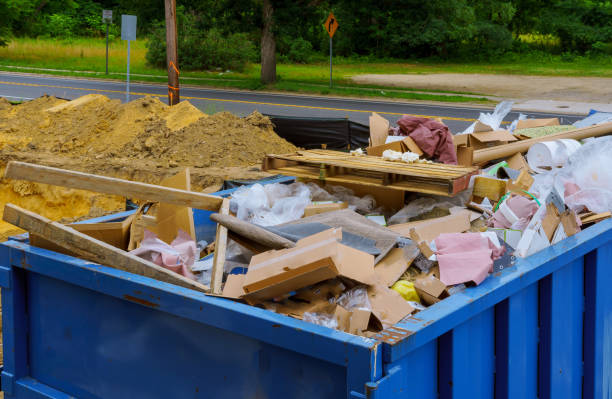
Restaurants generate significant amounts of packaging waste, including cardboard boxes, plastic wrap, and takeaway containers. Unlike residential junk removal, the volume and frequency of packaging waste in restaurants require a structured management approach. Separating recyclables, flattening cardboard, and bundling materials for collection ensures efficient disposal. Staff training is crucial for proper segregation, preventing contamination of recyclable streams and reducing overall disposal costs. Professional junk removal services can schedule regular pickups of packaging materials, ensuring that storage areas remain uncluttered and safe. Managing packaging efficiently also supports sustainability initiatives, improves operational efficiency, and creates a cleaner work environment. By addressing packaging waste systematically, restaurants can maintain a professional appearance while contributing to environmental responsibility.
Implementing Staff Training Programs
Employee participation is essential for effective restaurant junk removal. Staff should understand how to segregate waste, handle hazardous materials safely, and utilize designated disposal areas correctly. Unlike residential junk removal, restaurant waste involves heavier, bulkier, or potentially dangerous items, making training critical. Clear instructions, visual guides, and routine refresher sessions can ensure compliance and reduce errors. Educating employees fosters accountability and encourages proactive participation in waste reduction initiatives, such as minimizing single-use plastics or composting food scraps. Trained staff help maintain a hygienic, safe, and efficient workplace while supporting sustainability efforts. Regular monitoring and feedback reinforce proper practices, ensuring that junk removal systems remain effective and compliant. By investing in staff training, restaurants protect employees, improve operations, and demonstrate a commitment to health and environmental responsibility.
Reducing Waste at the Source
Minimizing waste production is an effective strategy for restaurant junk management. Source reduction involves evaluating operations to identify areas where materials can be reused, reduced, or replaced with sustainable alternatives. For example, digital ordering systems reduce paper waste, reusable containers minimize disposable packaging, and better inventory management prevents food spoilage. Unlike residential junk removal, which focuses on clearing accumulated items, restaurants can implement long-term strategies to prevent excessive waste generation. Reducing waste not only lowers disposal costs but also supports environmental sustainability. Employee engagement is key, encouraging practices like careful portion control, responsible food handling, and efficient use of packaging. By addressing waste at its origin, restaurants maintain cleaner kitchens, reduce environmental impact, and optimize operational efficiency. Source reduction reflects a restaurant’s commitment to sustainability and helps maintain a professional, organized, and safe environment.
Monitoring Compliance and Documentation
Maintaining compliance and thorough documentation is critical for restaurants managing junk removal. Accurate records of waste types, volumes, disposal methods, and service provider credentials ensure adherence to local health and environmental regulations. Unlike residential junk removal, restaurants are subject to inspections and audits that require detailed reporting. Keeping organized records allows managers to track waste patterns, optimize collection schedules, and identify opportunities for recycling or reduction. Professional junk removal services often provide disposal documentation, simplifying compliance management. Regular review of procedures and updates to reflect changes in regulations ensures ongoing compliance. By monitoring compliance and documenting all waste management activities, restaurants reduce liability risks, protect employees and patrons, and uphold a reputation for responsibility. Proper records also demonstrate a proactive approach to environmental stewardship, supporting long-term sustainability goals while maintaining safe and hygienic operations.
Conclusion
Maintaining clean, safe, and efficient junk removal practices is essential for any restaurant. From assessing waste and implementing segregation programs to training staff and partnering with professional services, these strategies ensure restaurants operate smoothly while staying compliant with health and environmental regulations. Effective junk removal reduces hazards, minimizes clutter, and supports sustainability initiatives, enhancing both operational efficiency and customer experience. For restaurants in Roseville looking for reliable support, Clifford’s Junk Removal provides expert services in both commercial and residential junk removal. Our team handles all types of waste safely and efficiently, offering flexible scheduling and environmentally responsible solutions. Contact us at 19162323588 to schedule a consultation and keep your restaurant clean, organized, and compliant.