Managing junk removal for businesses is often more complex than handling residential junk removal. Companies generate large amounts of waste ranging from office furniture and electronics to packaging materials and outdated equipment. This waste not only occupies valuable workspace but can also affect productivity, employee safety, and the company’s overall image. Many business owners underestimate the financial and operational costs associated with removing this clutter. Hiring a professional service is often necessary, but understanding the real cost involves more than just a simple quote. It includes time, labor, compliance with local regulations, and proper disposal methods. By considering these factors carefully, businesses can make informed decisions and maintain an organized, safe, and efficient workplace while avoiding hidden expenses.
Types of Business Waste
Businesses produce a variety of waste materials that require careful handling. This can include paper, cardboard, plastic packaging, outdated office equipment, furniture, and electronics. Unlike residential junk removal, commercial waste often comes in much larger volumes and may contain items that are heavy or hazardous. Understanding the types of waste your business generates is the first step in determining the real cost of junk removal. Office furniture and equipment may require dismantling and specialized disposal, while electronics may contain hazardous components such as batteries or circuit boards. Paper and cardboard, while recyclable, need proper sorting to prevent contamination. Some industries, such as construction or manufacturing, may produce additional waste like metals, concrete, or chemical byproducts, which require specialized disposal services. The variety and volume of business waste influence the cost of removal, the type of service required, and the scheduling frequency. By categorizing waste correctly and identifying items that require special handling, businesses can plan for efficient removal and better manage associated expenses, ensuring a cleaner, safer, and more organized workplace.

Labor and Staffing Costs
One of the hidden costs of business junk removal is labor. Removing large quantities of waste requires staff time, effort, and sometimes additional personnel for heavy lifting or dismantling items. While residential junk removal often involves small-scale collections handled by a single team, businesses may need multiple staff members or even temporary hires to handle the volume. Labor costs include both wages and productivity losses if employees are diverted from regular duties to assist with removal. Professional junk removal services offer trained staff capable of handling items safely and efficiently, potentially reducing long-term labor expenses. However, their services also come at a cost, which varies depending on the complexity, size, and type of waste. Businesses must weigh whether handling junk internally is more cost-effective than hiring professionals. Improper lifting or handling by untrained staff can lead to injuries, further increasing costs through medical expenses or downtime. Accounting for labor ensures that the real price of junk removal reflects all human resource inputs, maintaining both safety and efficiency while protecting the business from unforeseen expenses.
Equipment and Transportation Expenses
Commercial junk removal often requires specialized equipment and vehicles, which add to the overall cost. Residential junk removal typically involves small trucks or vans, whereas businesses often need larger vehicles capable of transporting bulky office furniture, electronics, or construction materials. Equipment may include dollies, pallet jacks, protective gloves, and packing materials to handle fragile or hazardous items safely. Renting or purchasing these tools can significantly impact the budget, particularly if the removal occurs frequently or involves multiple locations. Transportation costs include fuel, vehicle maintenance, and driver time, all of which add up in commercial settings. Outsourcing to professional junk removal services may reduce the need for in-house vehicles and equipment but comes with service fees. Companies should calculate both internal and external costs to understand the full financial impact. Efficient planning, such as scheduling multiple pickups at once or coordinating removal with other operations, can help reduce these expenses. By recognizing the need for proper equipment and transportation, businesses can ensure safer, faster, and more cost-effective junk removal processes.
Storage and Space Considerations
Unused or discarded items often occupy valuable business space. Unlike residential junk removal, where waste is typically small and manageable, commercial waste can take up entire rooms, storage areas, or warehouses. Holding onto excess items not only limits operational efficiency but can also create safety hazards or cluttered work environments. Businesses may need temporary storage solutions, such as external warehouses or on-site storage units, before items are collected for disposal. This adds to the overall cost of junk removal. Additionally, poorly managed storage can lead to damage of equipment or materials, resulting in further financial loss. Regular assessment of storage needs and prompt removal of outdated or unnecessary items helps maintain productivity and prevent overcrowding. Partnering with professional junk removal services that offer on-site pickup can minimize storage requirements and ensure that waste is transported safely and efficiently. Considering space and storage requirements is crucial to understanding the total cost of junk removal, as it affects both operational flow and long-term facility management.
Disposal Fees and Environmental Regulations
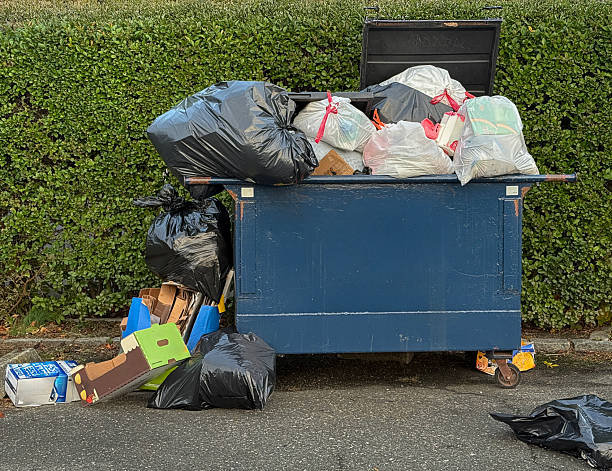
Disposal fees and compliance with environmental regulations are key components of the real cost of business junk removal. Unlike residential junk removal, commercial operations often generate waste that requires special handling, such as electronics, hazardous materials, or construction debris. Local authorities and landfills may charge additional fees for these items, and noncompliance can result in fines or legal action. Recycling requirements, proper labeling of hazardous materials, and adherence to disposal laws can all influence the overall cost. Partnering with certified junk removal services ensures that disposal is handled according to regulations, preventing violations and protecting the business from penalties. Additionally, proper disposal can enhance the company’s reputation for environmental responsibility. Businesses that underestimate these costs may face unexpected expenses or waste management delays. By factoring in disposal fees and regulatory compliance, companies can create a realistic budget, plan their junk removal schedule effectively, and maintain both financial and operational efficiency.
Insurance and Liability
Another often-overlooked factor in business junk removal is insurance and liability. Businesses face potential risks when handling bulky or hazardous items, including employee injury, property damage, or accidents during transport. Residential junk removal typically involves low-risk items, but commercial operations may involve heavy equipment, sharp objects, or chemicals. Professional junk removal services carry liability insurance and worker coverage, reducing the business’s exposure to accidents. If companies attempt internal removal without proper insurance, any damage or injury could result in substantial financial loss. Liability extends beyond physical risks; improper disposal of hazardous materials can lead to environmental violations, further increasing costs. Understanding insurance requirements and ensuring that the removal process is fully covered is essential for responsible financial planning. By incorporating insurance considerations into the cost analysis, businesses can protect themselves against unforeseen risks, maintain safe work conditions, and ensure that junk removal is executed efficiently and responsibly.
Time and Productivity Costs
Time is money, especially when it comes to commercial junk removal. Allocating employees to handle junk removal reduces productivity in core business operations, translating into indirect costs. Residential junk removal is typically quick and requires minimal coordination, but business operations may involve multiple departments, large volumes of waste, and scheduling challenges. Disruptions can affect workflow, client interactions, or service delivery. Using professional junk removal services can minimize these disruptions, as trained teams can handle large amounts of waste quickly and efficiently. Businesses should account for both the time employees spend on removal and the potential impact on overall productivity. Delayed removal can also affect safety, as cluttered workspaces increase accident risk. Factoring in time and productivity ensures that the real cost of junk removal reflects both direct expenses and indirect operational impacts. By planning strategically and considering productivity losses, businesses can optimize the removal process and maintain smooth operations while keeping costs manageable.
Hidden Costs of Internal Removal
Many businesses attempt internal junk removal to save money, but hidden costs can quickly outweigh perceived savings. These costs include labor, equipment wear and tear, transportation, insurance coverage, and lost productivity. Employees may need additional training to handle hazardous or bulky items safely. Internal removal may also involve logistical challenges, such as scheduling multiple departments or coordinating storage. Mistakes, such as improper disposal or damaged equipment, can lead to fines or replacement costs. Residential junk removal rarely involves these complexities, but commercial operations must account for the scale and type of waste. By recognizing hidden costs, businesses can make more informed decisions about whether to outsource junk removal or handle it internally. Often, professional services, despite higher upfront fees, prove more cost-effective by reducing risk, labor strain, and operational disruption. Understanding all hidden expenses ensures that businesses budget realistically and maintain efficient, safe waste management practices.
Long-Term Savings Through Professional Services
Hiring professional junk removal services can generate long-term savings for businesses. While residential junk removal may be inexpensive on a small scale, commercial waste often requires ongoing management, specialized equipment, and adherence to regulations. Professionals offer efficient collection, proper disposal, and recycling solutions, reducing the likelihood of fines, accidents, and lost productivity. Outsourcing allows staff to focus on core business functions rather than managing clutter, which can improve overall efficiency and reduce operational costs. Additionally, professional services often have established relationships with disposal and recycling centers, which can lower fees compared to handling disposal independently. Businesses can also benefit from flexible scheduling, preventing unnecessary storage costs or workspace congestion. Investing in professional services not only provides immediate relief from accumulated junk but also establishes a sustainable approach to waste management that reduces future expenses, ensures regulatory compliance, and supports a safer, more organized work environment.
Conclusion
Junk removal for businesses involves more than simply clearing clutter. Considering the true costs—including labor, equipment, disposal fees, insurance, productivity, and hidden expenses—helps companies make informed decisions and maintain a safe, efficient, and compliant work environment. Residential junk removal practices provide a starting point, but commercial operations require careful planning, professional assistance, and ongoing management. For businesses in Roseville seeking reliable support, Clifford’s Junk Removal offers expert services to handle all types of business and residential junk. Our trained team ensures efficient removal, proper disposal, and environmentally responsible solutions. Contact us today at 19162323588 to schedule a consultation or service and experience hassle-free, cost-effective junk removal for your business.