Managing junk removal in retail stores is an essential part of maintaining a clean, organized, and safe shopping environment. Stores generate various types of waste daily, including damaged merchandise, packaging materials, old displays, and outdated electronics. While many businesses are familiar with residential junk removal, retail operations require a more structured and professional approach due to the volume and type of materials involved. Efficient junk removal not only helps keep the store appealing for customers but also ensures the safety of employees and compliance with local regulations. By adopting proper junk removal practices, retail stores can reduce clutter, prevent hazards, streamline operations, and contribute to environmental sustainability. Professional assistance further ensures that waste is handled responsibly and efficiently.
Understanding Retail Waste
Retail stores generate a wide range of waste that requires specialized handling. Unlike typical residential junk removal, retail waste can include large volumes of cardboard, packaging materials, damaged inventory, broken displays, and electronic equipment. Each type of waste presents unique challenges for storage, collection, and disposal. For example, electronic waste may contain hazardous substances, while cardboard and packaging materials can be bulky and occupy significant storage space. Understanding the nature of your retail store’s waste is the first step in creating an efficient junk removal system. Conducting a waste audit helps identify which materials are recyclable, which require special handling, and which can be disposed of through conventional channels. By distinguishing between these categories, store owners can implement more effective removal strategies and work with professional services to handle complex or hazardous items safely. This proactive approach also minimizes operational disruptions and ensures that the store maintains a professional appearance for customers while staying compliant with environmental and safety regulations.
Planning Junk Removal Schedules
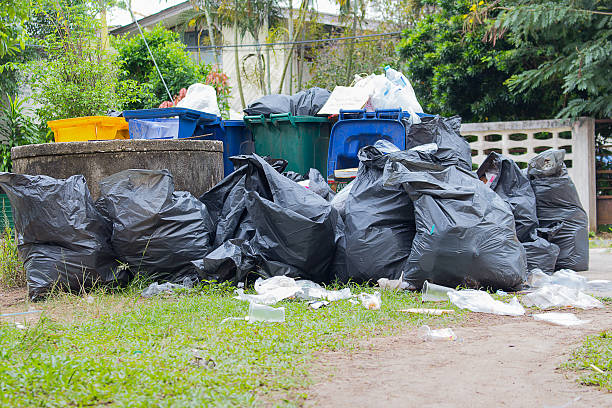
Planning a proper junk removal schedule is critical for retail stores to manage waste efficiently. Unlike residential junk removal, retail operations often produce waste daily or weekly, depending on the size and type of business. Establishing a consistent schedule for collection helps prevent clutter, maintain safety standards, and ensure compliance with local regulations. Retail stores can coordinate with professional junk removal services to arrange routine pickups tailored to their operational needs. Scheduling pickups during off-peak hours minimizes disruption to customers and staff, ensuring smooth business operations. Additionally, a well-planned schedule allows for better allocation of storage space for waste before collection and ensures hazardous materials are handled safely. Clear communication with staff regarding collection times and procedures is essential to maintain efficiency. By developing and adhering to a structured junk removal schedule, retail stores reduce the risk of operational disruptions, improve employee safety, and maintain an organized and welcoming environment for shoppers.
Sorting Waste Effectively
Effective waste sorting is essential for proper junk removal in retail stores. Materials such as cardboard, plastics, metals, and electronics must be separated to ensure proper disposal and recycling. Unlike residential junk removal, retail waste often involves larger quantities, requiring clearly labeled bins or storage areas for each material type. Segregating recyclable materials from general waste reduces the environmental impact and may lower disposal costs. Hazardous materials, including batteries, electronics, and certain cleaning supplies, require specialized handling by licensed professionals to avoid health and safety risks. Employees should be trained on proper sorting procedures, including recognizing which items are recyclable, reusable, or hazardous. Clear signage and designated disposal zones make it easier for staff to follow protocols consistently. Proper sorting ensures that waste management is efficient, environmentally responsible, and compliant with regulations, while also preventing accidents or contamination in the workplace. Retail stores that implement effective sorting practices can improve operational flow, maintain a clean environment, and demonstrate a commitment to sustainability.
Partnering with Professional Services
Partnering with professional junk removal services is a crucial step for retail stores. These companies have the expertise, equipment, and licenses to handle large volumes of waste safely and efficiently. Unlike residential junk removal, retail stores often generate bulky or hazardous materials that require professional handling. Certified junk removal companies ensure compliance with local environmental regulations and provide responsible disposal options, including recycling and safe handling of hazardous waste. Working with a professional service also saves time and reduces labor costs for store employees, allowing them to focus on core operational tasks. Businesses benefit from flexible scheduling options, prompt pickups, and secure disposal methods. Evaluating potential service providers involves checking credentials, reviewing safety protocols, and ensuring they adhere to environmental standards. By collaborating with a professional junk removal company, retail stores can maintain a clean, organized, and compliant workspace, minimize environmental impact, and create a safer environment for both staff and customers.
Managing Cardboard and Packaging Waste
Cardboard and packaging materials make up a significant portion of retail store waste. Efficient handling of these materials requires dedicated space, timely collection, and proper recycling. Unlike residential junk removal, retail stores often deal with large volumes of cardboard from shipments, which can accumulate quickly if not managed effectively. Flattening boxes, bundling materials, and separating them from other waste ensures that collection is straightforward and space-efficient. Many cities and waste management services provide recycling programs specifically for cardboard, which reduces landfill contributions and supports sustainability. Staff should be trained to handle packaging materials correctly, preventing clutter in sales areas or storage rooms. Timely removal of packaging waste also reduces fire hazards, pests, and workplace accidents. By implementing a structured approach to managing cardboard and packaging waste, retail stores can maintain an organized shopping environment, improve safety, and support environmental responsibility, all while streamlining operational efficiency and reducing disposal costs.
Handling Damaged Inventory
Damaged inventory is a common form of retail waste that requires careful management. Items that are defective, broken, or expired must be removed promptly to avoid clutter and maintain store aesthetics. Unlike residential junk removal, commercial waste includes higher-value items, making proper handling essential to minimize financial loss and maintain compliance. Retail stores should establish a designated area for damaged goods and determine whether items can be returned to suppliers, donated, or safely disposed of. Partnering with professional junk removal services ensures that damaged inventory is removed efficiently and responsibly. Proper documentation of discarded items may be necessary for accounting purposes and regulatory compliance. Training staff to identify and segregate damaged inventory reduces operational disruption and ensures timely removal. By implementing an organized process for managing damaged goods, retail stores maintain clean, safe, and appealing spaces for customers, reduce storage challenges, and contribute to a more environmentally responsible disposal process.
Managing Electronics and Hazardous Items
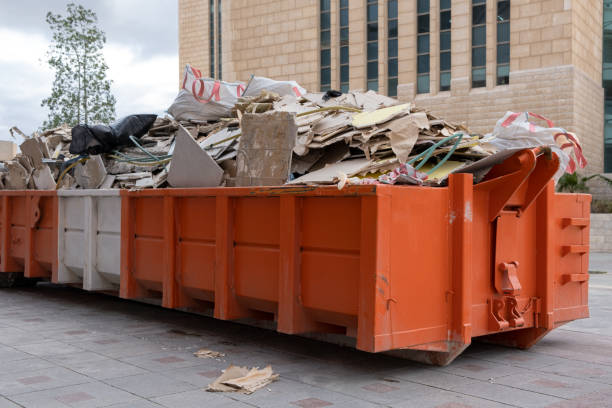
Retail stores often have electronics and other items classified as hazardous waste, such as batteries, printers, or specialized equipment. These materials require careful handling to ensure safety and compliance with environmental laws. Unlike residential junk removal, commercial waste may include a larger volume of hazardous items that must be stored securely and removed by certified professionals. Employees should receive training on safe handling procedures, including proper labeling, storage, and segregation from general waste. Partnering with licensed junk removal companies ensures that hazardous materials are disposed of safely and responsibly, preventing potential fines or legal issues. Proper management reduces the risk of accidents, contamination, and environmental harm. Retail stores that handle electronics and hazardous items correctly demonstrate corporate responsibility, maintain a safe shopping environment, and comply with all necessary regulations. Integrating these practices into the store’s waste management system helps create a sustainable and organized workspace while protecting both staff and customers from potential hazards.
Implementing Recycling Programs
Recycling is an important component of retail junk removal. Stores generate recyclable materials such as cardboard, plastic, metal, and paper, which can be processed to reduce environmental impact. Unlike residential junk removal, retail recycling often involves significant volumes and requires clear procedures and collection schedules. Employees should be trained to identify recyclable materials and follow proper disposal protocols. Dedicated bins, signage, and designated storage areas simplify recycling and prevent contamination. Many professional junk removal services also offer recycling solutions, ensuring that materials are responsibly processed. Implementing a structured recycling program reduces waste sent to landfills, supports sustainability goals, and can even lower operational costs. Retail stores that prioritize recycling demonstrate environmental responsibility and create a positive impression for customers and staff. By integrating recycling into daily operations, businesses not only manage junk efficiently but also contribute to broader community efforts to reduce environmental impact and promote sustainable practices.
Training Employees for Efficient Waste Management
Employee training is a critical aspect of managing retail store junk removal. Staff need to understand how to identify different types of waste, handle hazardous materials safely, and use designated disposal areas effectively. Unlike residential junk removal, commercial waste may involve heavier, bulkier, or potentially dangerous items, making proper training essential. Clear instructions, practical demonstrations, and reference guides ensure compliance and consistency. Training also encourages accountability among employees, reducing mistakes and improving overall efficiency. Regular refresher sessions help staff stay updated on new procedures, regulations, or waste management initiatives. Educating employees fosters a culture of responsibility and encourages participation in recycling and sustainability efforts. A trained workforce ensures that junk removal processes are efficient, safe, and compliant, minimizing workplace hazards while maintaining a clean and organized retail environment. Retail stores that invest in employee training for waste management benefit from smoother operations, a safer workplace, and a professional appearance that enhances the shopping experience for customers.
Conclusion
Proper junk removal in retail stores is essential for maintaining a clean, safe, and professional environment. By implementing structured practices such as waste sorting, handling hazardous materials, managing damaged inventory, establishing recycling programs, and training employees, stores can operate efficiently while reducing environmental impact. Regular monitoring and partnering with professional junk removal services ensure compliance with regulations and provide safe disposal solutions for all types of waste. For retail businesses in Roseville looking for reliable and professional support, Clifford’s Junk Removal offers comprehensive services in both commercial and residential junk removal. Our team is equipped to handle everything from bulky packaging to hazardous items with safety and efficiency. Keep your store organized, safe, and environmentally responsible by contacting us today at 19162323588 to schedule a consultation or service. Let us help you manage your junk effectively and maintain a welcoming environment for your customers and staff.