
When you donate items instead of sending them to a landfill, you’re doing more than freeing up space—you’re actively protecting the environment. Every item you donate reduces the demand for new products, lowering emissions from manufacturing, shipping, and material extraction. Furniture, electronics, and clothing that stay in use help conserve resources and energy that would otherwise be needed for replacements. Landfills are growing rapidly, and many materials take decades or centuries to decompose. Donating items diverts them from landfills and helps prevent soil and water contamination.
Donated goods often find a second or third life, extending their usefulness and reducing the need for new products. Small actions, like giving away a sofa or appliance, collectively create significant environmental benefits and promote a culture of sustainability in our communities.
How Donation Cuts Carbon Footprints Without Drama
When you throw items into the trash, it may feel like their journey ends there, but in reality, disposal involves a series of energy-intensive processes. Waste collection trucks transport items to transfer stations, landfills, or recycling facilities, consuming fuel and emitting greenhouse gases along the way. Sorting and processing discarded materials also require electricity and labor, adding further to the carbon footprint. By donating items instead, you bypass many of these energy-consuming steps. Your decision ensures that the object continues its life cycle with minimal additional impact, helping conserve both energy and resources. Each piece of furniture, clothing, or electronics that is donated represents a measurable reduction in greenhouse gas emissions compared to its disposal, even if the benefit seems subtle.
Donation channels often rely on minimal processing to make items available to new users. Unlike recycling or remanufacturing, which require dismantling, cleaning, or reassembling materials, donated goods typically go directly to someone who can use them. This simplicity preserves the energy embedded in the original manufacturing process, avoiding unnecessary consumption and emissions. Beyond environmental benefits, the process is straightforward for the donor: items can often be picked up or dropped off with ease, making it a hassle-free method to contribute positively. Over time, small acts of donation accumulate, reducing overall carbon footprints in ways that are impactful but low-effort, proving that simple, thoughtful choices can make a substantial difference in environmental sustainability.
From Clutter to Contribution The Hidden Eco-Impact
Clearing out clutter often begins as a purely practical exercise, intended to create a more organized and livable space, but it can also have a hidden ecological impact when you choose to donate. Many items that seem like outdated or unwanted “junk” can be a valuable resource for someone else. Clothing, small appliances, furniture, or books can be repurposed, reused, or even refurbished, giving them a second or third life instead of taking up space in a landfill. Every donation contributes to a chain of reuse that minimizes waste, reduces the need for new products, and lowers the environmental cost associated with resource extraction and manufacturing. When items are diverted from the waste stream, the pressure on recycling centers and landfills is reduced, allowing these systems to operate more efficiently.
Donation also promotes a culture of responsible consumption. Instead of automatically discarding an item, individuals become more conscious of its potential value to someone else. This approach extends the lifecycle of products, reduces environmental impact, and encourages thoughtful decision-making in purchasing new items. Beyond tangible environmental benefits, giving items away creates social value by providing goods to people in need and strengthening community connections. Over time, the simple act of donating what was once considered “clutter” evolves into an environmentally significant contribution, showing that personal organization and ecological responsibility can go hand in hand. It is a clear example of how small, deliberate choices at the household level can ripple outward into broader environmental and social benefits.
Reuse over Removal Why the Environment Wins
When you immediately resort to removal and disposal instead of considering donation or reuse, the environment bears the cost. Every item sent to a landfill often requires transportation, processing, and storage, each step consuming energy and emitting pollutants. Landfills also release methane, a potent greenhouse gas, as organic materials break down over time. Choosing to donate items allows you to avoid these environmental costs entirely, giving the products a chance to remain functional in someone else’s life while conserving energy and reducing emissions. Reuse is an efficient way to preserve the value and energy already invested in producing the item, turning what might seem like waste into a resource.
Beyond environmental advantages, reuse supports a broader culture of sustainability. Items that are donated often serve multiple users over time, delaying the need for replacements and minimizing additional manufacturing. Preserving the embedded energy in an object, such as the materials, transportation, and labor used to create it, ensures that resources are utilized to their fullest extent. For example, a sofa, table, or appliance that might otherwise be discarded can continue to provide value without requiring new materials or energy. By choosing donation over disposal, individuals can actively reduce environmental strain while promoting a system where goods are valued, reused, and appreciated. In this way, reuse becomes a conscious and practical tool for protecting the planet.
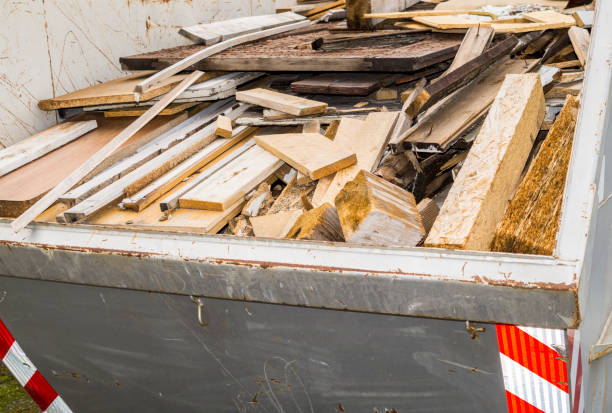
Your Donation Decision Small Actions Big Effects
At first glance, donating a single item may feel insignificant, but when households across communities adopt this habit, the environmental impact is substantial. Each piece of furniture, appliance, or clothing donated rather than discarded reduces the burden on landfills, decreases demand for raw materials, and lowers emissions associated with manufacturing new items. Collectively, these small decisions add up to meaningful environmental benefits, demonstrating the power of individual action. Small contributions also complement broader waste reduction initiatives, showing that everyone has a role to play in reducing environmental harm.
Donation also encourages behavioral change over time. Giving away one item often sparks greater awareness about consumption patterns, prompting individuals to make mindful purchasing decisions and consider reuse before disposal in the future. It fosters a habit of conscious living that extends beyond a single donation, creating a ripple effect where environmental responsibility becomes part of everyday life. By embracing this mindset, households not only reduce their carbon footprint but also help cultivate a culture of sustainability. Small actions, multiplied by communities, can lead to significant reductions in waste, proving that meaningful environmental change often begins with simple, thoughtful choices at the individual level.
Donation’s Role in Sustainable Waste Management
In today’s world, waste management isn’t just about disposal—it’s about purposefully redirecting items to where they can continue being useful. Donation becomes a vital part of that sustainable chain. Instead of items entering the waste system as soon as they’re discarded, they join reuse streams, reducing load on landfills and recycling operations.
By choosing donation, one helps shift the balance from “use‑then‑dump” to “use‑then‑pass‑on.” That’s a meaningful transformation in how we treat goods. It not only extends the lifespan of objects, but also respects the resources and labour that went into making them. Over time, less waste means a healthier environment for all.
How You Can Help the Earth by Giving Instead of Tossing
Giving away items you no longer need doesn’t just tidy your space—it helps the planet. When you donate furniture, electronics, or clothing, you divert them from landfill and give them a fresh chance in new hands. That prevents unnecessary extraction of new raw materials and reduces emissions tied to manufacturing replacement items.
Also, donation often supports local reuse initiatives, meaning fewer items need to travel long distances or be processed in energy‑intensive ways. By making a conscious choice to donate rather than discard, you’re taking an accessible, practical step toward environmental responsibility—no dramatic overhaul required, just a shift in mindset.
Reimagining Waste Donation as an Environmental Strategy
Often we regard discarded items as waste, but by reframing it—seeing them as potential resources—we change the story entirely. Donation becomes a strategy rather than a fallback. When items go to someone who can use them, you’re closing loops in resource flows, meaning fewer materials become obsolete and unwanted.
This approach encourages a culture of reuse rather than disposal, which is far kinder to the planet. You help diminish the pressure on extraction, refining, transport, and landfill infrastructure. In this way, what begins as a simple donation decision ends up functioning as part of a broader environmental strategy.
From Throw-Away Culture to Generous Gifting Culture
A throw‑away culture thrives on the idea that old equals useless, but when we embrace a gifting mindset—donating items instead—we change how value is perceived. That shift matters for the environment because it slows the cycle of consumption and disposal. When items stay in use longer, fewer resources are expended, and less waste accumulates.
Moreover, the generosity of giving away items fosters community connection and reduces the stigma around second‑hand goods. That means donation becomes easier and more frequent. The result: a cultural turn that benefits people and planet, making each donated item part of a bigger environmental solution.
Giving Items New Life and Keeping Landfills at Bay
When you donate a piece of furniture or appliance, you’re literally giving it a new life instead of consigning it to disappear under layers of waste. That means fewer items enter landfills, where they may slowly release gases or leach harmful substances. Donation helps prevent that.
At the same time, reusing means you delay or avoid manufacturing replacements—a chain of benefits including less energy use, raw-material demand, and environmental impact from production. In other words, by choosing donation you help actively keep landfills at bay while enabling the goods to continue serving someone—somewhere.
Conclusion
Donating items instead of throwing them away is a simple yet impactful way to help the environment. By reducing landfill waste, conserving resources, and giving materials a second life, we can all contribute to a more sustainable future. At Clifford’s Junk Removal, we make it easy for residents and businesses in Roseville, CA, to responsibly manage unwanted furniture, appliances, clothing, and other household items. Our team prioritizes recycling and donation whenever possible, ensuring that items are redirected in ways that benefit both the community and the planet.
Whether you have a few items or a large quantity that needs professional removal, we provide convenient, safe, and efficient services. We’re committed to handling your belongings with care and making the process as simple as possible. Reach us at 916‑232‑3588 to schedule a pickup or learn more about our services.