Running a restaurant involves more than preparing delicious meals and providing excellent service—it also requires maintaining a clean, organized, and safe environment for both staff and customers. Over time, restaurants accumulate waste in the form of broken equipment, expired inventory, cardboard boxes, packaging materials, and general clutter. While residential junk removal may focus on household waste, commercial establishments like restaurants face unique challenges because of the volume and type of materials generated. Regular junk removal helps restaurants prevent safety hazards, minimize pest infestations, and create a more efficient workspace for employees. It also contributes to a positive dining experience, as customers notice cleanliness and organization. By implementing a consistent junk removal routine, restaurants can maintain compliance with health regulations, improve operational efficiency, and protect both staff and patrons. Understanding why restaurants need professional junk removal is the first step toward building a safer, cleaner, and more profitable business.
Maintaining a Safe Kitchen Environment
A restaurant kitchen is a high-traffic, high-risk area where safety should always be a priority. Accumulated junk such as broken kitchen appliances, unused furniture, cardboard boxes, and packaging can quickly create obstacles that lead to accidents and injuries. Slips, trips, and falls are common risks when pathways are cluttered or when wet or greasy items are left on floors. Unlike residential junk removal, restaurant waste often includes large or heavy items that require specialized disposal methods to prevent injury. Regular junk removal ensures that the kitchen remains organized and accessible, allowing staff to focus on preparing food efficiently without worrying about obstacles. It also helps maintain compliance with local health and safety regulations, as inspection agencies often cite improper waste management as a violation. A clean, well-maintained kitchen minimizes the risk of contamination, enhances productivity, and promotes a professional environment. Restaurants that prioritize regular junk removal protect their employees, reduce potential liabilities, and create a foundation for smooth, safe operations while maintaining high standards for food preparation and storage.
Preventing Pest Infestations
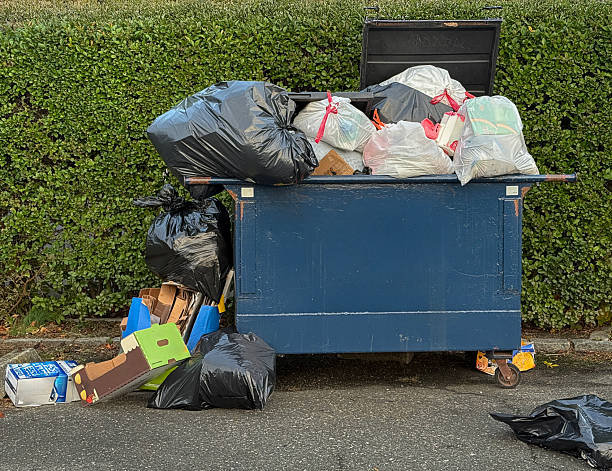
Pest control is a critical consideration for any restaurant, and accumulated waste provides the perfect breeding ground for rodents, insects, and other unwanted visitors. Old boxes, expired food, and discarded packaging can attract pests that compromise hygiene, damage property, and create health risks for both employees and customers. Unlike residential junk removal, restaurants must deal with high volumes of organic and non-organic waste that require proper segregation and timely disposal. Regular junk removal removes these potential attractants, making it more difficult for pests to thrive. It also supports routine pest control efforts by eliminating hiding spots and improving access for inspections. Maintaining a clutter-free restaurant ensures that waste does not accumulate in corners or storage areas, reducing the likelihood of infestations. By proactively managing junk, restaurants not only protect the health of staff and patrons but also avoid costly fines or shutdowns due to pest-related violations. Consistent waste management practices demonstrate a commitment to cleanliness, help maintain public trust, and support the overall reputation of the establishment.
Complying with Health Regulations
Restaurants operate under strict health codes designed to protect customers and staff from contamination and unsafe conditions. Accumulated junk and improperly disposed waste can quickly lead to violations, resulting in fines or even temporary closures. Unlike residential junk removal, commercial establishments face audits and inspections that evaluate storage, disposal, and cleanliness practices. Regular junk removal ensures that expired ingredients, packaging materials, and broken equipment do not interfere with sanitation efforts. Keeping a tidy, organized kitchen and dining area demonstrates compliance with health codes and reduces the risk of foodborne illnesses. Staff can access cleaning supplies, food storage areas, and equipment without obstruction, making daily sanitation routines more effective. Additionally, proper disposal of waste reduces the presence of bacteria and mold, which thrive in cluttered or damp environments. Restaurants that consistently maintain junk removal routines show dedication to health standards, create safer environments, and maintain customer confidence. By investing in professional junk removal services, restaurants can protect their business from legal issues, promote a culture of hygiene, and foster long-term operational efficiency.
Improving Staff Efficiency
An organized restaurant environment directly affects staff efficiency and productivity. Cluttered kitchens and storage areas can slow down food preparation, cause frustration, and increase the risk of errors. Unlike residential junk removal, restaurants must manage high volumes of inventory, equipment, and supplies, making proper disposal and organization essential. Regular junk removal clears out broken appliances, unused furniture, and excess packaging materials, providing employees with more space to work safely and effectively. Staff can access ingredients, tools, and equipment without obstruction, which reduces wasted time and improves overall workflow. A clutter-free environment also fosters better communication and coordination among team members, enhancing service quality. When employees feel safe and organized in their workspace, morale improves, leading to higher retention rates and better performance. Restaurants that prioritize junk removal create an environment where staff can focus on delivering excellent service without distraction, ultimately supporting smoother operations, higher customer satisfaction, and long-term profitability.
Enhancing Customer Experience
The cleanliness and organization of a restaurant directly impact customer perception. Guests are more likely to enjoy their dining experience and return to a well-maintained establishment. Unlike residential junk removal, commercial spaces like restaurants must manage visible and hidden waste areas, including dining rooms, kitchens, storage rooms, and parking areas. Piles of clutter, outdated menus, broken furniture, or overflowing waste bins can create negative impressions that affect reputation and revenue. Regular junk removal ensures that customers encounter clean, safe, and welcoming spaces from the moment they enter. Well-organized dining areas, tidy restrooms, and clutter-free entrances enhance the overall dining experience and demonstrate professionalism. Additionally, removing outdated or broken equipment and furniture creates a more aesthetically pleasing environment, reinforcing the restaurant’s brand image. By maintaining a consistent junk removal schedule, restaurants can elevate their customer experience, build loyalty, and stand out in a competitive market. A clean environment communicates attention to detail, care for guest safety, and a commitment to high standards.
Managing Large-Volume Waste
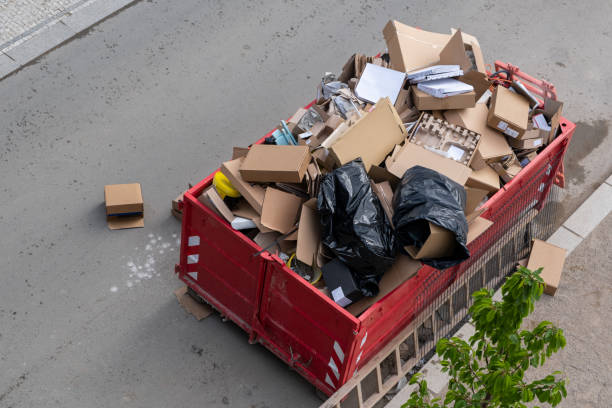
Restaurants generate large volumes of waste on a daily basis, including food scraps, packaging materials, and used disposable items. Unlike residential junk removal, this waste often requires specialized disposal methods and equipment to handle safely and efficiently. Managing large volumes without proper procedures can lead to cluttered storage areas, unpleasant odors, and potential hazards for employees and customers. Regular junk removal ensures that waste is consistently removed and properly segregated, keeping kitchens, dining areas, and storage spaces organized. Professional junk removal services provide the necessary tools and expertise to handle high volumes, including heavy or bulky items that staff may not be able to move safely. Timely disposal prevents the accumulation of hazardous materials and helps restaurants comply with local regulations. By maintaining control over large-volume waste, restaurants reduce operational disruption, maintain a hygienic environment, and protect both employees and customers. Efficient waste management also contributes to cost savings by preventing damage to equipment and minimizing the risk of fines for improper disposal.
Protecting Equipment and Inventory
Accumulated junk and clutter can pose risks to valuable equipment and inventory. Broken appliances, spilled ingredients, or improperly stored materials can lead to damage or deterioration over time. Unlike residential junk removal, restaurants deal with commercial-grade equipment, perishable food, and high-volume storage areas, making careful waste management essential. Regular junk removal prevents accidental damage, reduces fire hazards, and allows staff to maintain equipment efficiently. By clearing storage areas of unused or broken items, restaurants protect inventory from contamination, spoilage, or misplacement. Proper disposal of expired or damaged materials also frees up space for new stock and helps maintain an organized inventory system. Restaurants that invest in junk removal protect their assets, reduce repair or replacement costs, and ensure the longevity of kitchen appliances and tools. Maintaining a clean, organized environment promotes efficiency, minimizes risks, and allows staff to focus on food preparation and service without distraction.
Supporting Sustainability Efforts
Sustainability is becoming increasingly important in the restaurant industry, and proper junk removal plays a key role. By separating recyclable materials such as cardboard, plastics, metals, and glass, restaurants can reduce landfill contributions and demonstrate environmental responsibility. Unlike residential junk removal, commercial establishments generate higher volumes of waste that require structured recycling programs and professional disposal services. Implementing these practices not only benefits the environment but also enhances the restaurant’s public image, appealing to eco-conscious customers. Sustainable waste management includes proper disposal of food scraps, reusable packaging, and recycling streams, ensuring compliance with local regulations and promoting long-term environmental goals. By partnering with professional junk removal services, restaurants can adopt efficient recycling and disposal methods that minimize environmental impact while maintaining a clean, organized workspace. Supporting sustainability demonstrates corporate responsibility, improves community relations, and aligns with growing consumer expectations for eco-friendly business practices. Consistent junk removal and responsible disposal help restaurants contribute positively to environmental preservation while enhancing operational efficiency and customer trust.
Conclusion
Restaurants face unique challenges when it comes to waste and junk accumulation, from safety risks and pest infestations to regulatory compliance and operational inefficiencies. Regular junk removal is not a luxury—it is a necessity for maintaining a safe, clean, and professional environment. By partnering with experienced professionals, restaurants can manage large volumes of waste, protect inventory, support sustainability initiatives, and streamline operations. For businesses in Roseville seeking reliable and thorough junk removal services, Clifford’s Junk Removal provides expert support for both commercial and residential needs. Our team is equipped to handle all types of waste safely and efficiently, helping restaurants maintain compliance, improve workflow, and ensure customer satisfaction. Contact us today at 19162323588 to schedule a consultation or service and experience hassle-free junk removal that keeps your restaurant clean, organized, and safe.