Renovations often bring excitement and fresh possibilities for a business, but they also create a surprising amount of clutter. From torn-out drywall and old fixtures to outdated furniture and leftover construction materials, it’s easy for junk to pile up fast. Without proper management, this clutter can slow down renovation progress, compromise safety, and cause unnecessary stress.
That’s where smart planning and professional help come in. Even though the project focuses on commercial properties, lessons from Residential Junk Removal can be just as valuable—emphasizing efficiency, organization, and responsible disposal. Knowing the best ways to handle commercial junk removal during renovations ensures your property stays clean, safe, and ready for a smooth transformation without delays.
Plan Your Junk Removal Strategy Before Renovation Starts
One of the smartest steps you can take before starting a renovation is to plan your junk removal strategy early. A clear plan allows you to estimate the type and volume of debris that will accumulate throughout the process. Think about whether you’ll be dealing with large furniture, old fixtures, broken flooring, or construction debris. By identifying what needs to go and when, you can schedule pickups at the right time to avoid clutter buildup. This step also helps you stay compliant with local waste disposal regulations. Businesses that coordinate removal with renovation timelines prevent safety risks and maintain workflow efficiency.
Drawing inspiration from Residential Junk Removal, commercial property owners can organize cleanup phases—such as removing old materials before new installations begin. This structured approach keeps spaces manageable and productive. Additionally, planning ahead allows you to choose the right junk removal company, set a budget, and even separate items for donation or recycling. A well-thought-out strategy ensures a cleaner, faster, and more organized renovation experience.
Separate Recyclable and Reusable Materials
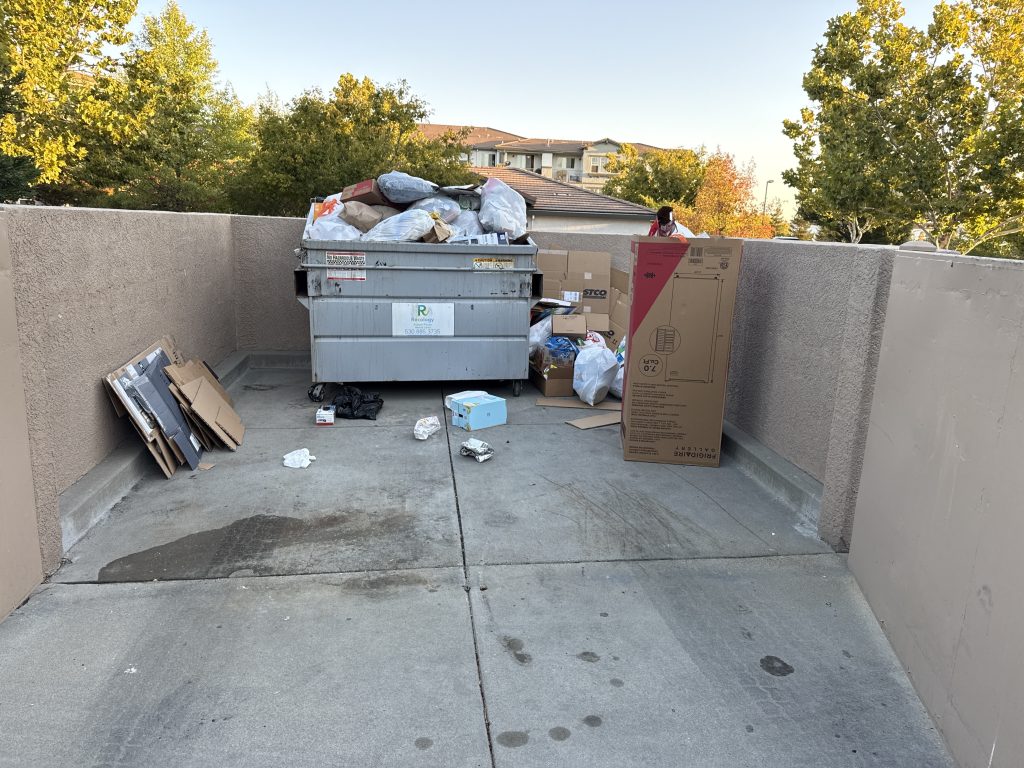
A critical step during commercial renovations is sorting materials into recyclable, reusable, and disposable categories. This not only reduces waste but also supports sustainable business practices. Many renovation projects involve materials such as metal, glass, wood, and cardboard—all of which can often be recycled. Just like Residential Junk Removal, where homeowners separate recyclables to minimize landfill waste, businesses can take a similar approach. Before hauling everything away, assess what can be repurposed or donated.
For example, old office furniture might be given to local charities or community centers. Wood and metal scraps can be sent to recycling centers for processing. Separating materials also helps streamline removal day, making the process faster and more cost-effective since recycling loads are often charged differently from mixed waste. Implementing clear labeling bins and educating your renovation team about sorting practices ensures everyone participates effectively. Not only does this promote environmental responsibility, but it also enhances your company’s reputation as a sustainable, community-focused business. A mindful separation system ultimately saves money, time, and landfill space.
Work with Licensed Junk Removal Professionals
Hiring licensed junk removal experts is one of the most efficient ways to manage renovation debris. Professional teams understand local disposal laws, handle heavy materials safely, and provide the right vehicles for large-scale hauling. While DIY efforts might seem cheaper at first, untrained handling of commercial waste can lead to injuries, property damage, or even legal issues if hazardous materials are improperly discarded. In contrast, professionals apply the same careful standards used in Residential Junk Removal, ensuring that waste is sorted, loaded, and transported responsibly.
They also have access to recycling facilities and donation partnerships that maximize the reuse of materials. A licensed junk removal company can offer flexible scheduling, handle unexpected debris loads, and ensure your renovation stays on track. By partnering with professionals, business owners can focus on the renovation itself instead of worrying about logistics. Additionally, licensed providers are insured, offering peace of mind in case of accidents or damages. Working with the right team guarantees a cleaner, safer workspace and an efficient removal process from start to finish.
Schedule Regular Cleanups Throughout the Renovation
Instead of waiting until the renovation is complete to remove all debris, scheduling regular cleanups throughout the process makes a significant difference. This approach keeps the worksite organized, reduces safety hazards, and prevents construction delays. During large renovations, debris accumulates quickly—old tiles, drywall, insulation, and furniture can create an overwhelming mess if left unattended. Taking cues from Residential Junk Removal methods, it’s wise to coordinate scheduled junk pickups every few days or weeks, depending on the project’s scale.
These periodic cleanouts keep pathways clear and create a safer environment for workers and visitors. It also prevents clutter from hiding issues like leaks or structural damage. Consistent junk removal allows contractors to focus on building and renovating instead of constantly moving debris around. Moreover, it helps maintain compliance with building codes that require safe, navigable worksites. By integrating junk removal into your renovation timeline, you minimize downtime and enhance overall project efficiency. A cleaner workspace ultimately leads to faster progress and a better final outcome.
Use Proper Storage and Containment for Debris
Keeping renovation debris properly contained is vital for maintaining a safe and professional environment. Without organization, piles of construction waste can obstruct walkways, pose fire risks, and create an unappealing appearance for clients or employees. Setting up designated storage areas or using roll-off dumpsters ensures that junk stays out of the way and is ready for scheduled pickup. Just as Residential Junk Removal experts recommend using separate bins for different materials, businesses can use labeled containers for wood, metal, plastics, and general waste.
This not only streamlines removal but also helps recycling centers process materials efficiently. Additionally, proper containment prevents dust and debris from spreading throughout the property, protecting finished areas and improving air quality. For indoor renovations, temporary partitions or tarp enclosures can help isolate the mess. Outdoor areas should be cleared daily to avoid attracting pests or violating local codes. Keeping debris contained shows professionalism, supports safety, and simplifies cleanup when renovation wraps up.
Donate or Repurpose Unwanted Items
Not everything removed during a renovation should end up in the landfill. Many businesses find that items such as office furniture, shelves, light fixtures, or doors are still in good condition and can be reused. Instead of disposing of everything, consider donating these materials to charities, schools, or nonprofits that could benefit. This is a principle often emphasized in Residential Junk Removal, where homeowners donate usable household items to reduce waste.
Repurposing materials not only helps the community but also aligns your business with environmentally responsible practices. For example, wood from old desks could be refinished into new furniture, and metal parts might be used for art or construction projects. Donations can also provide potential tax deductions for your business, adding a financial incentive to do good. Working with your junk removal provider to identify recyclable and reusable materials ensures that nothing goes to waste unnecessarily. This step not only minimizes environmental impact but also reflects your company’s commitment to sustainability and community involvement.
Ensure Proper Disposal of Hazardous Materials
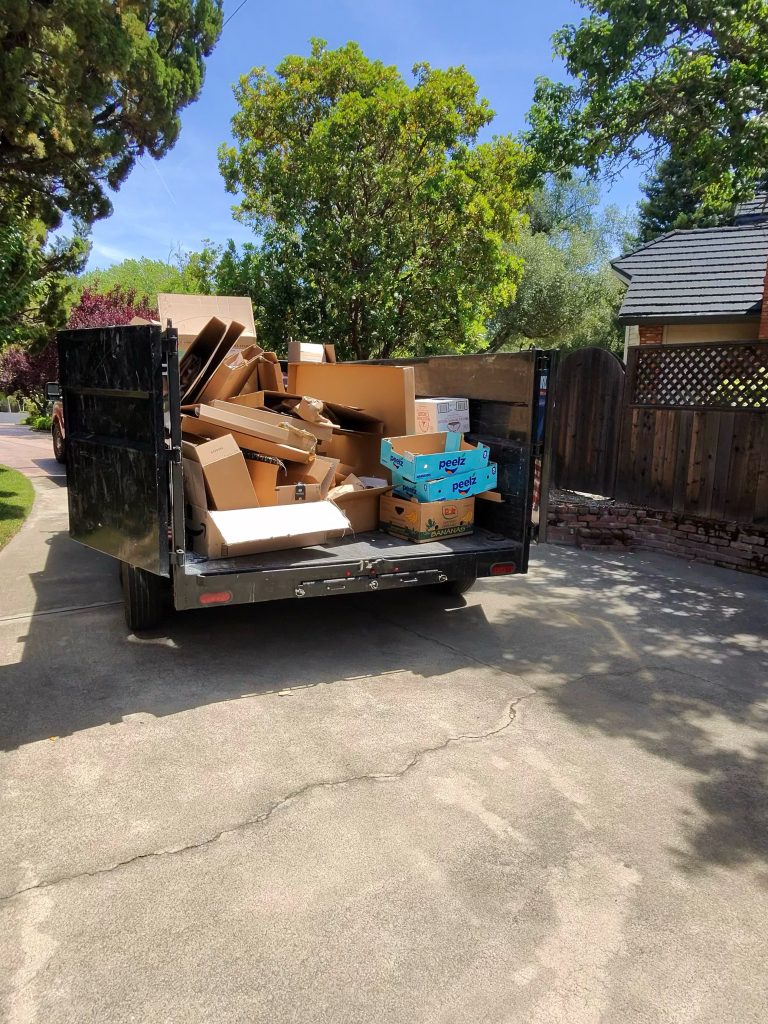
Renovations often involve materials that require careful handling—like paints, solvents, insulation, or old electronics. These items can be classified as hazardous waste and must be disposed of according to strict environmental regulations. Ignoring these rules can lead to costly fines or health hazards. Professional junk removal teams have the expertise to safely manage and dispose of such materials. They follow methods similar to those used in Residential Junk Removal, where safety and compliance are prioritized.
Business owners should never mix hazardous items with regular construction debris, as it can contaminate recyclable loads or cause accidents. Instead, maintain a separate disposal plan for chemicals, batteries, fluorescent bulbs, and old appliances. Certified disposal centers ensure these materials are neutralized or recycled safely. Proper handling also protects your employees and renovation workers from harmful exposure. By partnering with a junk removal company familiar with environmental standards, you can ensure your renovation proceeds responsibly while maintaining a clean and compliant workspace.
Maintain Open Communication Between Teams
A successful renovation requires teamwork and clear communication between contractors, renovation managers, and junk removal professionals. Miscommunication can lead to delays, missed pickups, or unsafe work conditions. To avoid this, establish a direct line of communication with your junk removal provider and include them in the renovation schedule. The same level of coordination seen in Residential Junk Removal projects—where homeowners communicate needs clearly—applies to commercial settings as well.
Regular check-ins ensure that junk removal aligns with demolition, installation, and cleanup phases. Clear communication also allows teams to adjust quickly when the scope of debris changes. For example, if a project unexpectedly expands, your junk removal team can provide additional dumpsters or extra pickups. Keeping everyone informed promotes efficiency, reduces misunderstandings, and keeps the renovation timeline on track. A strong partnership built on communication ensures that both construction and cleanup proceed smoothly, resulting in a polished final outcome.
Prioritize Safety During Junk Removal
Safety should never be overlooked during any renovation project. Commercial spaces are often filled with sharp objects, heavy debris, and unstable materials that can cause injuries if mishandled. Junk removal teams trained in safe lifting techniques, proper gear usage, and hazard identification can prevent accidents before they happen. Borrowing principles from Residential Junk Removal, businesses should establish safety zones, use appropriate signage, and require workers to wear gloves, masks, and steel-toed boots.
Keeping aisles clear and marking removal areas helps everyone stay alert. Additionally, ensure that power tools and exposed wiring are handled carefully to prevent electrical hazards. Partnering with professional junk removers ensures that waste is cleared without disrupting the workflow or endangering workers.
Conclusion
Managing commercial junk removal during renovations requires planning, organization, and the right team. By applying strategies used in Residential Junk Removal, businesses can ensure safe, eco-friendly, and efficient cleanup throughout every renovation phase.
If you’re planning a renovation in Roseville, trust Clifford’s Junk Removal to handle the mess so you can focus on transforming your space. Our expert team manages hauling, recycling, and disposal responsibly and efficiently.Contact us today at (916) 232-3588 for reliable commercial or residential junk removal services in Roseville. We’ll help keep your renovation on schedule and your property spotless from start to finish.