
Maintaining a clean and healthy yard begins with a thoughtful approach to disposal. By separating organic waste from non-recyclable debris, homeowners can significantly reduce the environmental impact of their outdoor maintenance. Grass clippings, fallen leaves, and branches can be composted to enrich soil fertility, promoting a more resilient garden without relying on chemical fertilizers. Incorporating reusable tools like rakes, tarps, and wheelbarrows helps minimize plastic use and allows for more efficient collection of yard materials.
An organized approach ensures less waste ends up in landfills, reducing methane emissions and preserving space. By dedicating small blocks of time each week to clear debris, yard management becomes less overwhelming and more environmentally responsible. Layering organic materials in compost bins or designated piles supports nutrient cycling and soil health. Establishing these habits not only enhances the aesthetic appeal of a property but fosters a stronger connection to the surrounding ecosystem, emphasizing care for both the home and the planet.
Innovative Methods for Leaf and Branch Disposal
Leaves and branches often form the bulk of yard waste, and their proper handling is crucial for ecological balance. Shredding branches before disposal speeds decomposition and creates mulch that can suppress weeds and retain soil moisture. Leaf shredders or mulching mowers convert foliage into fine material suitable for garden beds or composting systems. Collecting yard trimmings in biodegradable bags or containers ensures they are transported without generating excess plastic waste, aligning with eco-friendly practices. By considering alternatives like brush chipping or community green waste programs, homeowners can significantly reduce the environmental footprint of seasonal cleanup.
Proper disposal also reduces the risk of pests and fungal growth. Branches left on lawns may harbor insects that damage plants, while thick layers of leaves can suffocate grass. Chipped wood and shredded leaves can be used creatively as paths or natural ground cover, extending their usefulness beyond mere disposal. Understanding the potential value of yard debris transforms cleanup from a chore into an opportunity to enhance the landscape.
Composting Strategies for Yard Waste
Turning yard waste into compost is one of the most effective ways to reduce environmental impact. A compost pile transforms organic material into nutrient-rich soil amendments that can nourish plants and improve soil structure. Grass clippings, vegetable scraps, leaves, and small branches decompose when layered properly and turned regularly, generating natural fertilizer. Adding water in moderation and balancing green and brown materials prevents odor and accelerates breakdown.
Home composting also encourages mindfulness about what enters the waste stream. By segregating yard debris from non-organic trash, households reduce contamination and create a higher quality end product. Finished compost enhances soil aeration, retains moisture, and provides essential nutrients without chemical additives. This practice strengthens resilience against drought or pests and encourages a holistic understanding of environmental stewardship.
Eco-Conscious Disposal of Large Yard Items
Disposing of large yard items like tree stumps, logs, or bulky shrub trimmings requires careful planning. Renting specialized equipment or coordinating with local waste management services ensures items are handled safely and efficiently. Breaking down oversized pieces into manageable sections can facilitate transport and allow for recycling opportunities. Some municipalities offer green waste collection programs where large yard debris is converted into mulch or bioenergy, demonstrating a commitment to sustainable disposal.
Considering alternative uses for oversized yard waste can add value to the property. Logs can be repurposed into raised garden beds, benches, or decorative landscape features, extending their functional life. Stumps and large branches can provide habitat for beneficial insects or wildlife, supporting biodiversity. By approaching large item disposal thoughtfully, homeowners can combine practicality with ecological responsibility, ensuring that even the most challenging yard debris contributes positively to the environment.
Using Mulch and Wood Chips Efficiently
Mulch and wood chips are not only a means of disposing of branches and tree trimmings but also a tool for improving landscape health. Applying shredded material around trees and garden beds helps retain soil moisture, suppress weeds, and regulate temperature fluctuations. This reuse reduces the need for synthetic soil amendments and limits the volume of waste sent to landfills. Collecting yard waste for mulching is an energy-efficient method that creates long-term benefits while maintaining aesthetic appeal.
Sourcing or producing mulch locally avoids transportation emissions and ensures materials remain chemical-free. Layering wood chips along pathways or around perennial plants provides both functional and decorative value. This approach reinforces the concept of turning waste into resources, transforming the challenge of yard cleanup into an opportunity for sustainable landscaping. Ultimately, effective use of mulch strengthens the ecosystem of the property while fostering an environmentally conscious mindset.
Neighborhood Programs for Yard Waste Management
Collaborating with local programs or community initiatives can simplify yard waste disposal. Many municipalities host seasonal pickup days for leaves, branches, and garden trimmings, often converting collected material into compost or mulch for public use. Participating in these programs reduces individual effort while promoting community sustainability goals. Sharing equipment like chippers or compost bins among neighbors can also enhance efficiency, reduce costs, and strengthen communal ties. By engaging with established networks, residents can ensure yard waste is handled responsibly and creatively.
Community initiatives can also offer educational resources on innovative disposal practices. Workshops or informational campaigns highlight methods for composting, mulching, and reusing debris, inspiring more sustainable routines. These programs create a culture of environmental responsibility, turning individual cleanup efforts into collective action. By aligning personal yard maintenance with neighborhood initiatives, homeowners contribute to broader ecological goals while fostering local connections and shared pride in communal spaces.
Reducing Environmental Impact Through Smart Planning
Effective yard waste management starts with careful planning. Evaluating the types and volumes of debris before cleanup helps prioritize tasks and select the most sustainable disposal methods. Keeping a seasonal calendar of maintenance activities ensures smaller amounts of waste are generated at a time, making composting and recycling more manageable. Using durable tools reduces waste from broken equipment, and scheduling work to avoid inclement weather prevents erosion and soil compaction. Thoughtful preparation transforms yard maintenance into a more environmentally sensitive practice.
Planning also includes minimizing unnecessary chemical use. Reducing herbicides and fertilizers not only benefits soil health but prevents contaminated yard waste from entering compost or mulch systems. Establishing zones for collection and storage further streamlines disposal, making eco-conscious choices more accessible and consistent. By anticipating the needs of both the garden and the local environment, homeowners achieve a balance between efficient yard upkeep and sustainable stewardship.
Seasonal Adjustments for Yard Debris
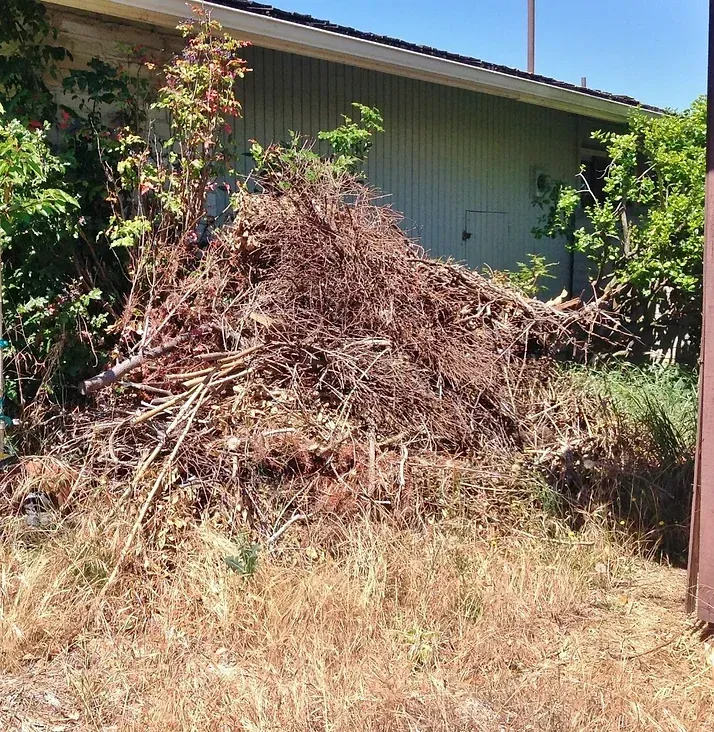
Different seasons bring unique challenges for yard waste disposal. Spring often yields an abundance of trimmings and fallen branches, while autumn produces thick layers of leaves. Adapting disposal methods to seasonal conditions ensures efficiency and environmental protection. For example, wet leaves in autumn may require shredding to prevent clumping, while dry summer trimmings can be stacked for slow decomposition. Recognizing seasonal patterns allows homeowners to plan collection, composting, and reuse in ways that reduce environmental strain and maintain garden health throughout the year.
Seasonal adjustments also consider the impact on wildlife. Avoiding disturbance during nesting or hibernation periods protects local fauna. Managing water runoff during rainy seasons prevents debris from clogging drains or causing erosion. By aligning cleanup practices with seasonal variations, yard maintenance becomes not just routine work but a responsive, mindful effort that preserves ecosystem balance. This approach creates a seamless integration of personal yard care with environmental consciousness.
Leveraging Professional Eco-Friendly Services
Sometimes, handling yard waste independently is not practical. Professional services offer efficient collection and eco-conscious disposal, ensuring debris is processed responsibly. These services often recycle organic material, convert it to mulch or compost, and minimize landfill contributions. Engaging trained personnel can also save time and prevent injury, especially when dealing with large or hazardous debris. Using professional assistance complements personal efforts, allowing homeowners to maintain beautiful outdoor spaces without compromising environmental goals.
Experts can also advise on best practices for future yard management. Guidance on composting setups, mulch usage, and seasonal planning empowers homeowners to implement long-term sustainable strategies. Partnering with professionals ensures yard waste is not merely removed but transformed into resources that benefit both gardens and local ecosystems. This collaboration bridges convenience with environmental responsibility, providing practical solutions for modern yard maintenance challenges.
Tracking and Minimizing Waste Footprint
Monitoring the types and quantities of yard waste generated provides insight into sustainability efforts. Keeping records of composting, mulch production, and green waste diversion allows homeowners to assess the effectiveness of their routines. Minimizing unnecessary waste includes strategies like pruning selectively, reusing plant material creatively, and investing in durable tools that last. Awareness of one’s ecological footprint encourages ongoing improvement and fosters a sense of accountability in maintaining a cleaner, greener yard.
Tracking waste also inspires experimentation with new methods. Exploring alternatives such as vermicomposting, rain gardens, or native plant landscaping reduces the overall waste stream while enhancing biodiversity. By reflecting on yard practices and making informed adjustments, homeowners cultivate a proactive, environmentally mindful approach. The result is a garden that thrives with minimal external input while reinforcing responsible disposal habits and long-term sustainability.
Conclusion
Efficient and eco-friendly yard waste disposal transforms routine maintenance into an opportunity for environmental stewardship. By incorporating sustainable practices like composting, mulching, and strategic planning, homeowners can significantly reduce landfill contributions and enhance soil health. Coordinating cleanup efforts with seasonal patterns and local programs further strengthens the ecological impact while maintaining beautiful outdoor spaces. Leveraging professional services ensures that large or complex debris is handled responsibly, providing convenience without compromising environmental responsibility.
Clifford’s Junk Removal in Roseville specializes in Junk Removal, providing reliable, eco-conscious solutions for yard waste of all sizes. Their professional team ensures debris is processed efficiently, recycled when possible, and disposed of with minimal environmental impact. Contact them at 19162323588 to simplify yard maintenance while embracing sustainable practices. Partnering with experts helps homeowners focus on enjoying their outdoor spaces, knowing their cleanup efforts support long-term ecological balance and responsible waste management.