Before any appliance leaves your home, it is worth understanding what you’re dealing with in terms of size and weight. A refrigerator, for example, can weigh several hundred pounds and behave differently when tilted or moved compared to a compact microwave. Misjudging these factors often leads to strained backs or damaged flooring. Study each piece with care before you start—knowing its dimensions and heft can influence the safest way to move it out.
Many homeowners rush through this first step, but an accurate assessment saves time and reduces accidents later. If the appliance is taller than your doorframe or wider than your hallway, planning alternate paths becomes necessary. Make notes of any handles or detachable parts that can lighten the load, such as shelves or removable doors. Understanding these details before you begin prevents unexpected snags halfway through the move.
Preparing the Surrounding Area Before Removal
A well-prepared space creates a safer moving environment. Clear away clutter near doorways, remove rugs that could slip, and sweep away dust that might reduce traction. Too often, people focus solely on the appliance itself and forget that an obstacle along the path can cause sudden trips or scratches on walls. By making the route as open and smooth as possible, you reduce stress for yourself and anyone helping you.
It is also helpful to map out the path from the appliance’s current spot to its exit point. Consider the sharp corners, narrow turns, or low ceilings that might complicate the journey. Taking these precautions not only avoids accidents but also preserves the integrity of your home’s interior. A simple rearrangement of furniture or removal of fragile décor can spare you from damage that would otherwise cost both time and money to repair.
Disconnecting Power and Water Safely
Many household appliances rely on both electricity and water, making their removal more than just a matter of unplugging a cord. Before any disconnection, turn off the power supply at the circuit breaker to eliminate the risk of shock. For appliances connected to water lines such as dishwashers or washing machines, shut off the valves to prevent leaks or sudden bursts. Neglecting these steps could lead to injuries or unexpected flooding.
Once the power and water have been cut, take a moment to inspect the cords, hoses, and fittings for wear or damage. Any signs of fraying or rust should be addressed carefully to avoid further complications during transport. Wrapping exposed wires in protective tape or capping water outlets ensures you won’t create new hazards while carrying the appliance through your home.
Protecting Your Floors and Walls During the Move
Even a small dent or scratch on floors and walls can leave a lasting mark, so safeguarding these surfaces before moving any appliance is critical. Lay down sturdy sheets of cardboard or thick blankets to create a buffer between heavy equipment and delicate flooring. For tiled or hardwood areas, consider using furniture sliders that allow bulky machines to glide rather than scrape.
Corners and door frames are particularly vulnerable when maneuvering large items. Wrapping these edges with foam or towels can absorb impact and prevent chips or cracks. These small steps often go unnoticed until it’s too late, but investing a few extra minutes in protection spares you from costly repairs and keeps your home’s appearance intact after the appliance is gone.
Choosing the Right Tools and Equipment
The right tools can transform a challenging removal into a manageable task. Dollies with straps, lifting harnesses, and moving blankets all serve specific purposes that make handling heavy appliances more secure and less physically taxing. Without these aids, even a short move can become dangerous or cause undue strain.
Before lifting, check that all equipment is in good working condition and suited for the appliance’s weight. A sturdy dolly can handle a bulky freezer with ease, while a flimsy one may buckle under pressure. Gathering these tools ahead of time creates a smoother workflow and reduces unnecessary interruptions once you start the moving process.
Enlisting Help for Heavy Lifting
Moving large appliances is rarely a one-person job. Enlisting the assistance of friends, family members, or neighbors adds both muscle and extra eyes to watch for hazards. Trying to manage the weight alone increases the risk of injury and often leads to rushed decisions that can harm you or your property.
When asking for help, communicate the plan clearly so everyone understands their role. Decide who guides from the front, who supports from behind, and how to coordinate steps around tricky turns. Good teamwork minimizes strain on each individual and ensures the appliance moves safely from one point to another.
Navigating Tight Doorways and Stairs
Doorways, staircases, and narrow corridors often turn what looks like a straightforward task into a logistical challenge. These areas tend to be the tightest bottlenecks in a home, and even an inch of miscalculation can result in the appliance getting stuck or walls being scraped. Before you attempt to lift a single corner, measure the height and width of the appliance against every doorway, hallway, and stairwell along its path. These measurements will give you a clear picture of what obstacles you may face and save you the frustration of having to reverse course mid-move.
If the appliance proves too bulky for a direct approach, think strategically rather than forcing it through. Tilting it diagonally or pivoting slowly can often help maneuver it through confined spaces without injury or damage. In more stubborn situations, consider temporarily removing doors from their hinges or even unscrewing banisters or railing posts to create a few extra inches of clearance. These adjustments might feel tedious at first, but they prevent dents, scratches, and potential injuries that come from trying to rush through a space not designed for such large equipment. Patience and precise coordination often make the difference between a smooth removal and a costly mishap.
Handling Old or Hazardous Appliances Responsibly
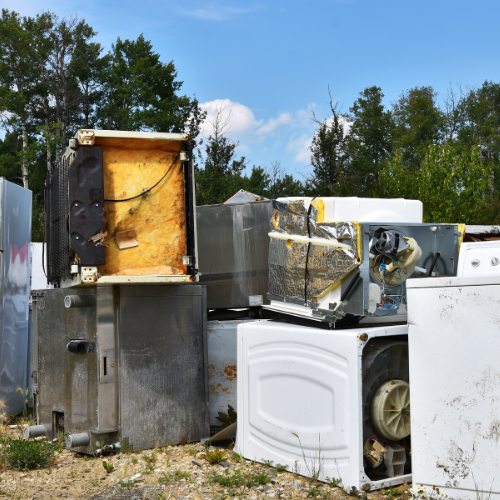
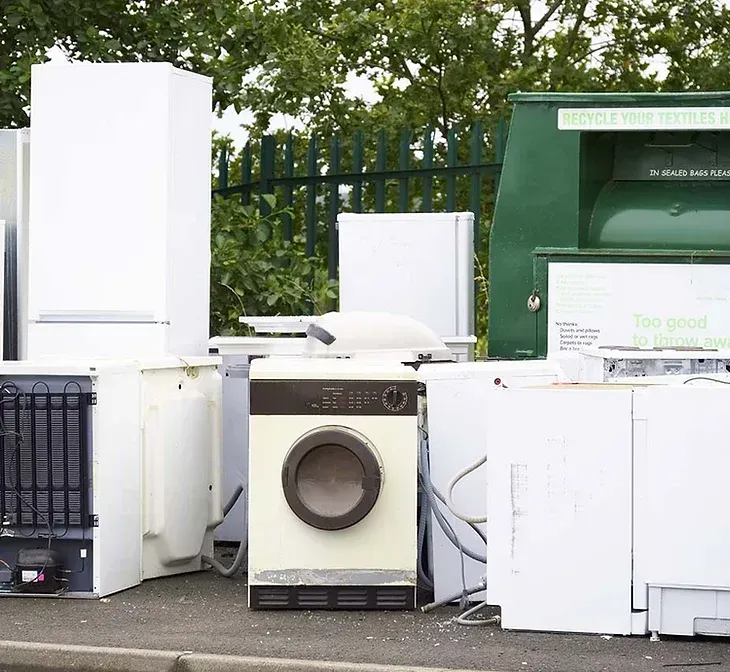
Old appliances sometimes conceal risks that aren’t obvious at first glance. For example, certain refrigerators manufactured years ago may still contain refrigerants that are harmful to the environment if released. Likewise, older washing machines or air conditioning units might house components that must be handled with care due to hazardous chemicals or outdated insulation materials. Treating them as simple household junk can lead to environmental harm and even put your health at risk if those substances are accidentally released.
To handle these items safely, consult local waste-management guidelines or speak directly with municipal recycling centers about proper disposal methods. Many regions have specific drop-off locations or pickup programs for items with refrigerants or other regulated materials. Taking the time to follow these rules ensures that these older appliances are dealt with in an eco-friendly and legally compliant manner. Acting responsibly protects not only your household but also the surrounding community, preventing contaminants from leaching into soil or water sources.
Cleaning and Preparing Appliances for Disposal
Though it may feel like an unnecessary chore, cleaning your appliances before moving them out pays off during transport and disposal. Start by removing any remaining food, liquids, or debris from the interior of refrigerators, freezers, and ovens. This small step reduces overall weight and prevents unpleasant spills or lingering odors that could develop while the appliance is being hauled away. A wiped-down surface also makes handling safer, as it eliminates sticky or greasy residues that could lead to slips.
Beyond cleaning, disassemble any removable parts such as shelves, trays, or racks and pack them separately. Not only does this make the appliance lighter and easier to move, but it also reduces the chance of these smaller pieces rattling around or breaking during transit. Preparing appliances this way ensures a smoother experience for whoever handles them next—whether that’s a professional removal team, a recycling center, or even someone who intends to refurbish or reuse them. A little preparation can help extend the life of components that are still in good condition.
Considering Professional Removal Services
Sometimes the best solution is to recognize your limits and call in experienced professionals. Large appliances like refrigerators, ovens, or stacked washer-dryer units often require specialized equipment and techniques to be moved safely. Professionals come prepared with dollies, straps, and protective gear, reducing both the physical strain on you and the likelihood of damaging your home or the appliance itself.
Professional services also add an extra layer of security regarding disposal. Reputable teams understand local regulations for recycling and responsible waste management, so you can trust that your discarded appliance won’t end up improperly dumped or handled. Their familiarity with different appliance models allows them to anticipate challenges that an untrained eye might miss. While it’s an investment, the time saved, the risks avoided, and the assurance that everything is managed responsibly often outweigh the initial cost.
Conclusion
Removing appliances from your home can be more complicated than it first appears, especially when factoring in tight spaces, heavy lifting, and the need for safe disposal. By taking careful measurements, clearing paths, and preparing each appliance before it moves, you protect both your property and the people involved in the process. Paying attention to these details transforms what might feel like an overwhelming task into a series of thoughtful steps that make the entire experience smoother and less stressful.
For those who prefer to avoid the heavy lifting altogether, Clifford’s Junk Removal in Roseville offers dependable junk removal services tailored to handle appliances with efficiency and care. Their team has the tools, skills, and expertise to ensure your unwanted items are moved out safely and disposed of responsibly. Reach out to them today at 19162323588 to schedule professional assistance and free yourself from the burden of navigating bulky appliances on your own.