
Before tackling a playset removal, preparation is essential to minimize stress and avoid accidents. Begin by assessing the size and structure of the playset, noting any detachable components and potential hazards. Clear the surrounding area of toys, garden equipment, and debris to create a safe workspace. Having the right tools at hand, including wrenches, screwdrivers, and protective gloves, can make disassembly faster and safer. Consider the ground surface too; uneven terrain may require extra caution during removal and transportation.
Scheduling the removal during favorable weather conditions is also critical. Rain or high winds can turn a simple project into a hazardous ordeal. Allocate sufficient time to dismantle the playset systematically, labeling parts if necessary to simplify disposal or future assembly. Enlisting help from friends or professional junk removal services ensures that heavy lifting is shared, reducing the risk of injury. With thoughtful planning, the removal process becomes smoother and more efficient.
Prioritizing Safety During Every Step
Safety should always be the primary consideration when removing a playset, as it protects both the individuals involved and the surrounding property. Begin by equipping yourself with appropriate protective gear, including gloves, long sleeves, sturdy shoes, and even safety glasses if cutting or dismantling requires extra caution. Inspect the playset carefully before starting, looking for weakened joints, rotted wood, rusted metal, or any areas that might unexpectedly collapse during removal. Identifying these weak points in advance allows you to plan a step-by-step approach that avoids sudden accidents. Proper lifting techniques are critical when moving heavy beams, posts, or slides, and using tools like dollies or straps can reduce the risk of strains, sprains, and back injuries. If children or pets are present, create a secure perimeter around the work area, clearly marking it and ensuring they are kept at a safe distance to avoid interruptions or accidents.
It is also essential to approach disassembly in a deliberate and methodical way. Start by removing smaller, lighter pieces first, such as swings, ropes, or ladders, before tackling heavier sections like support posts or crossbeams. Maintain organization by keeping all tools and hardware in designated containers, labeling bolts, screws, and brackets for recycling, reuse, or disposal. Effective communication with anyone helping is crucial to ensure coordinated movements and prevent mishaps. By giving careful thought to each stage of removal, you minimize hazards, protect everyone involved, and make the overall project more manageable, efficient, and safe from start to finish.
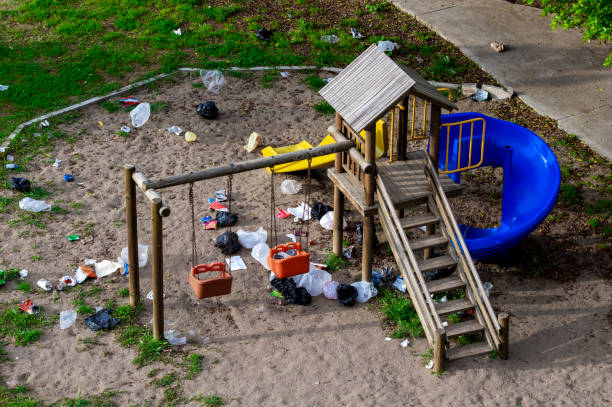
Efficiently Dismantling the Structure
Dismantling a playset efficiently requires a structured and systematic approach, as rushing the process can result in damage, injury, or unnecessary frustration. Begin by tackling movable or detachable components, such as slides, swings, ladders, and climbing ropes. Carefully remove bolts, screws, and fasteners using appropriate tools, and store them in clearly labeled containers for recycling or safe disposal. Removing panels and crossbeams in a planned order prevents sudden shifts that could destabilize the structure and ensures that each component is handled safely. Taking photos of complex assemblies before disassembly can provide a valuable reference for potential relocation, reuse, or reconstruction.
Breaking the removal into sections rather than attempting to dismantle the entire structure at once allows you to maintain control over heavy or awkward pieces. Focus on one area at a time, ensuring that every cut, unscrew, or lift is deliberate and measured. This method not only reduces the likelihood of property damage but also simplifies material sorting for donation, recycling, or disposal. Organizing debris into categories such as wood, metal, and plastic streamlines cleanup and makes the process more environmentally responsible. Maintaining a structured workflow ensures that each component is handled safely, efficiently, and with minimal risk, ultimately transforming a potentially overwhelming project into a manageable, systematic, and well-executed removal process.
Sorting Materials for Proper Disposal
After dismantling, proper material management ensures environmental responsibility and efficiency. Separate wood, metal, and plastic components, as this simplifies disposal and recycling. Inspect each piece for damage or wear; intact materials may be suitable for donation or repurposing. Hazardous materials, such as treated wood or rusted hardware, should be isolated and handled according to local disposal regulations. This organization reduces clutter and prevents last-minute scrambling when loading debris for removal.
Efficient sorting also reduces labor time during transportation. When materials are grouped appropriately, loading trucks or trailers becomes more straightforward and safer. Recycling and donation efforts not only minimize environmental impact but can also save money if fewer items require landfill disposal. Thoughtful material management transforms a chaotic cleanup into a structured, eco-conscious operation that benefits both workers and the community.
Leveraging Professional Assistance
While DIY playset removal is possible, professional junk removal services save time, energy, and stress. Experts have the right equipment, experience, and manpower to handle heavy, awkward structures safely. Their knowledge of local disposal regulations ensures that materials are managed responsibly, reducing legal or environmental complications. Hiring professionals also provides peace of mind, knowing that the project will be completed efficiently without risk to property or personal safety.
Collaborating with a trusted service streamlines the removal process. Instead of coordinating multiple helpers and tools, a team can tackle the job systematically, often completing it in a fraction of the time it would take alone. Professionals can also offer options for recycling, donation, or safe disposal, turning an otherwise messy project into a clean, stress-free experience. Choosing skilled assistance optimizes both safety and efficiency for every playset removal project.
Optimizing Space Post Removal
Once the playset is removed, the freed space can be optimized for future use. Clear any residual debris and level the ground to prepare for landscaping, new installations, or open play areas. Proper cleanup ensures the yard remains safe and functional for children, pets, and outdoor activities. Considering future use during the removal process prevents obstacles and allows for creative design options in your outdoor space.
Planning the next steps immediately after removal reduces wasted effort. Mulching, grass seeding, or adding garden features can transform the area efficiently, taking advantage of the cleared space. Efficient use of the newly opened area prevents clutter from accumulating again and enhances the yard’s aesthetic appeal. A systematic approach to post-removal organization ensures that the benefits of the project extend far beyond the immediate cleanup.
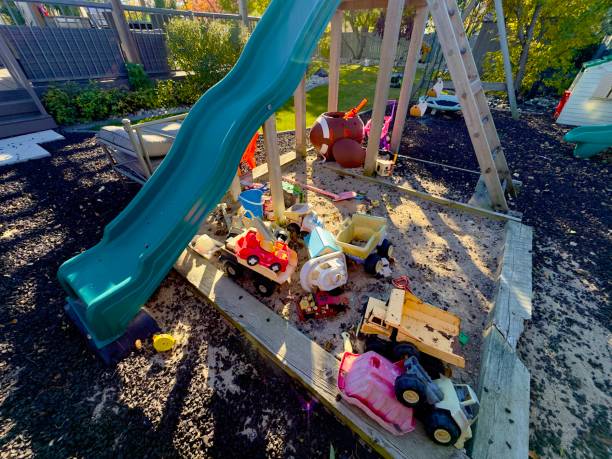
Timing the Project for Maximum Impact
Choosing the right timing for playset removal impacts both safety and efficiency. Avoid extreme weather conditions, such as heatwaves or storms, which can complicate disassembly and transportation. Weekdays or early mornings may offer more calm and fewer distractions, allowing you to work steadily without interruptions. Planning around personal schedules and available help ensures the project flows smoothly.
Additionally, consider the timing of disposal or pickup services. Coordinating with local junk hauling companies or recycling centers in advance reduces downtime and prevents materials from sitting in your yard unnecessarily. Efficient scheduling allows each phase of the project, from disassembly to cleanup, to proceed without unnecessary delays. Thoughtful timing ensures both the removal process and subsequent yard use are optimized for convenience and safety.
Using Tools and Equipment Strategically
Proper tools and equipment are crucial for a safe and efficient removal. Investing in or renting power tools such as drills, saws, and wrenches speeds up disassembly and minimizes manual labor. Basic safety equipment, including gloves, goggles, and knee pads, protects workers from common hazards during removal. Organizing tools and using them strategically reduces downtime and potential frustration.
Beyond basic tools, consider using dollies, straps, and moving equipment for heavy beams or bulky sections. These tools not only protect your back but also prevent damage to surrounding property. A well-thought-out approach to tool use ensures each component is handled efficiently, accelerating the project while maintaining safety. Strategic equipment deployment transforms a complex task into a controlled and manageable process.
Minimizing Disruption to Daily Life
Playset removal can be disruptive, especially in busy households or shared spaces. Planning the project to minimize interruptions preserves daily routines. Clear communication with family members or neighbors about the schedule ensures safety and prevents inconvenience. Establishing barriers or designated work zones keeps children and pets safely away from hazards.
Managing noise, dust, and debris during removal also contributes to a smoother experience. Covering nearby plants, using tarps for debris, and cleaning as you go reduces post-project cleanup time. By proactively mitigating disruptions, the removal process is less stressful and more efficient. Maintaining a structured workflow ensures that the project is completed quickly, with minimal impact on daily life.
Preparing for Future Playset Installations
Thinking ahead about future playset or outdoor projects improves overall efficiency. Preserve parts that are still usable, label hardware, and store instructions for potential reuse. Ensuring the area is level, clear, and safe provides a head start for new installations. Strategic foresight reduces labor and costs if a replacement structure is planned.
Additionally, documenting the removal process, including photos or notes on how components were disassembled, makes future assembly faster and more organized. Efficient planning for future installations saves time, prevents mistakes, and ensures the yard remains functional and attractive. Being proactive about potential projects transforms playset removal into a long-term improvement strategy.
Conclusion
Maximizing efficiency during playset removal involves more than just lifting and hauling; it requires careful planning, methodical disassembly, and organized management of materials. Before beginning, assessing the structure, identifying removable parts, and gathering the necessary tools ensures the process can be completed safely and efficiently. Systematic disassembly—starting with smaller, detachable components and progressing to heavier sections—prevents accidents and reduces the physical strain associated with heavy lifting. Equally important is prioritizing safety at every stage, from wearing protective gear to establishing clear boundaries that keep children, pets, and bystanders out of harm’s way.
While some homeowners may attempt playset removal on their own, professional assistance can dramatically reduce time, effort, and risk. Experienced junk hauling teams bring specialized equipment, knowledge of local disposal regulations, and the manpower necessary to handle even large or complex structures. Proper scheduling, debris management, and preparation of the cleared space for future use further streamline the process, leaving a yard that is safe, functional, and ready for new projects. For reliable, professional playset removal and comprehensive junk hauling services in Roseville, CA, Clifford’s Junk Removal can be contacted by phone at 916-232-3588.