
Bathroom demolition sets the tone for the entire renovation project. Removing old fixtures, tiles, and cabinetry creates a clean slate that allows contractors to work with precision and efficiency. However, the process requires careful planning to avoid delays or damage to adjacent areas. For homeowners, seeing walls stripped and plumbing exposed can be startling, but these steps are necessary to address underlying issues such as leaks or outdated electrical work. A thorough demolition ensures that every element of the bathroom renovation begins on a solid foundation, reducing the risk of unexpected complications and future repairs.
The ripple effects of demolition extend beyond just time management. Structural adjustments, such as reinforcing floors or updating plumbing lines, often become apparent only after walls and tiles are removed. This phase uncovers opportunities to optimize layout and storage, ultimately influencing design decisions. It also affects budgeting, as unforeseen discoveries may require additional materials or labor. By investing time in a meticulous demolition phase, homeowners set themselves up for a smoother renovation process, where design choices can be executed without being constrained by old structures or hidden damage.
How Bathroom Demolition Shapes Home Safety Measures
Bathroom demolition is not simply about aesthetics; it is a critical safety consideration for any renovation. Removing old fixtures and surfaces exposes potential hazards such as mold, weakened flooring, or corroded plumbing that may otherwise go unnoticed. Professional demolition crews follow strict safety protocols to prevent accidents, ensuring that debris is handled correctly and electrical or water systems are secured. This careful approach protects both the workers and the home’s structural integrity, preventing costly accidents that can arise from a rushed or improper demolition process.
Moreover, safety extends to hygiene and air quality. Dust, mildew, and other contaminants can easily spread during demolition, potentially affecting the rest of the home. Proper containment, ventilation, and disposal practices limit exposure and maintain a healthier environment. By addressing these concerns upfront, homeowners avoid lingering problems that could compromise future renovations or the well-being of residents. In essence, demolition acts as a preventive measure, safeguarding both the home and its inhabitants while laying the groundwork for a seamless bathroom transformation.
The Role of Demolition in Modern Bathroom Design Planning
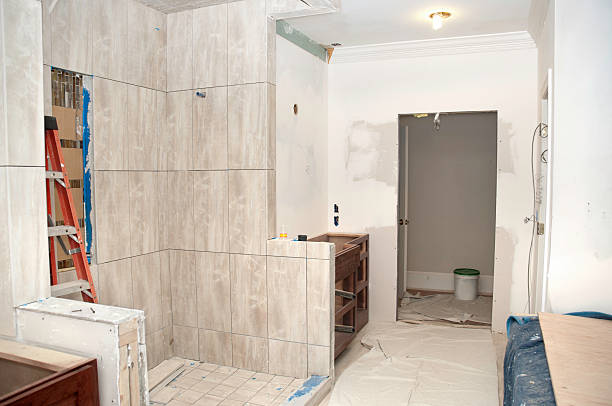
Modern bathroom designs often demand flexibility that only a complete demolition can provide. Removing outdated tiles, vanities, and tubs allows homeowners to reimagine the space with new layouts, materials, and lighting options. Demolition reveals the underlying infrastructure, enabling designers to integrate innovative features like walk-in showers, smart plumbing systems, or improved ventilation. Without this step, design ambitions may be constrained by existing structures that were never intended for contemporary upgrades, limiting the potential of the renovation.
Additionally, demolition informs cost-effective planning by identifying areas that need repair or replacement before new installations occur. Recognizing these needs early prevents expensive last-minute changes and ensures that all elements of the bathroom renovation are compatible. Homeowners gain a realistic sense of what is achievable within their space, allowing for creative but practical design solutions. Through demolition, the vision for a modern, functional, and stylish bathroom becomes feasible rather than aspirational, bridging imagination with structural reality.
Demolition’s Influence on Plumbing and Electrical Upgrades
One of the most significant aspects of bathroom demolition is the opportunity it provides for plumbing and electrical upgrades. Old piping, wiring, and fixtures may not meet current building codes, potentially leading to future leaks, short circuits, or other costly issues. By stripping the bathroom down to its core, contractors can replace outdated systems, ensuring reliability and compliance. This step prevents hidden problems that could disrupt the new design or compromise safety, making it a critical component of a long-term renovation strategy.
Beyond functionality, upgrading plumbing and electrical systems enhances efficiency. Homeowners can install low-flow fixtures, energy-saving lighting, and smart controls that reduce utility costs while modernizing the space. The demolition phase exposes the full scope of potential improvements, allowing for strategic placement and integration of new technology. Consequently, what may seem like a simple teardown transforms into a vital investment in the home’s infrastructure, with benefits that extend far beyond aesthetics.
Cost Considerations During Bathroom Demolition
Bathroom demolition directly affects the overall cost of a renovation. While it may appear as an upfront expense, the careful removal of old materials reduces the risk of expensive mistakes later. Rushed or unplanned demolition can damage structural elements, plumbing, or wiring, creating unanticipated costs that far exceed the initial savings. A professional approach ensures that demolition is thorough yet efficient, helping homeowners avoid budget overruns and maintain control over project expenditures.
In addition, demolition provides a clear view of the space, allowing for accurate cost estimation for the remaining work. Contractors can determine the quantity of materials needed, identify necessary repairs, and sequence installations effectively. Homeowners benefit from transparency and predictability, gaining confidence that their investment will be allocated wisely. By understanding the financial implications of demolition, families can make informed decisions that balance cost, safety, and design ambitions.
Environmental Benefits of Proper Bathroom Demolition
Sustainable practices in bathroom demolition contribute to a greener renovation process. Proper disposal of tiles, fixtures, and debris prevents harmful materials from ending up in landfills. Many contractors now prioritize recycling or donating salvageable materials, turning demolition waste into a resource rather than an environmental burden. This approach aligns with eco-conscious values and reduces the overall carbon footprint of a home renovation.
Additionally, environmentally responsible demolition encourages the use of non-toxic materials in the subsequent renovation phase. Removing old surfaces often uncovers hidden contaminants like lead paint or asbestos, which must be handled safely. By addressing these hazards at the start, homeowners create a healthier indoor environment and promote long-term sustainability. In essence, a careful demolition is not just a practical step but a conscious choice to minimize ecological impact while preparing the home for a modern, efficient bathroom.
How Demolition Enhances Renovation Efficiency
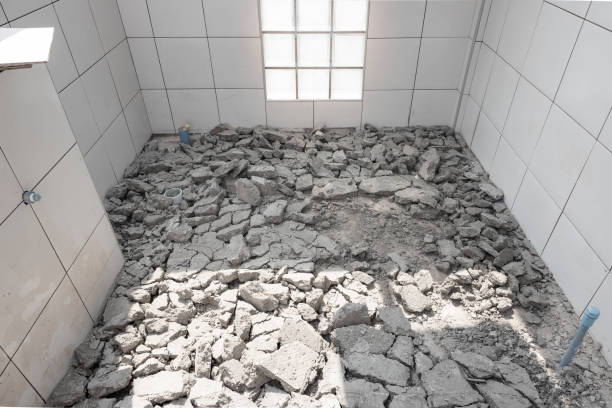
Efficiency in bathroom renovation is largely determined by the quality of demolition. Removing outdated components in a systematic and organized manner reduces downtime, allows for faster installations, and minimizes errors. A well-planned demolition ensures that contractors have unobstructed access to essential areas, streamlining the workflow and enabling concurrent tasks like plumbing, electrical, and tile work. This coordination accelerates project timelines without sacrificing precision, ultimately benefiting the homeowner.
Efficiency also extends to decision-making. By exposing the underlying structure, demolition helps homeowners and designers make informed choices about layout adjustments, material selections, and fixture placements. Knowing the true condition of walls, floors, and plumbing allows for realistic planning, preventing delays caused by surprises or incompatible components. In this way, demolition acts as the cornerstone of a renovation’s efficiency, transforming a potentially chaotic process into a structured, predictable, and satisfying project.
The Psychological Impact of Bathroom Demolition on Homeowners
Watching a bathroom stripped to its bare bones can be a jarring experience for homeowners. The familiar space suddenly disappears, leaving behind exposed pipes, debris, and dust. While this phase can evoke anxiety or hesitation, it also brings a sense of progress and potential. Demolition signals that the renovation is underway and that every visible change represents a step toward a newly envisioned bathroom.
Moreover, the demolition process helps homeowners mentally engage with their renovation choices. Seeing the actual structure beneath walls and tiles allows for practical adjustments in layout and design that may not have been apparent in blueprints or renderings. This tangible interaction with the space fosters a deeper understanding of the renovation, increasing satisfaction with final results. Demolition thus becomes more than a physical task; it’s an emotional and psychological gateway to a successful home transformation.
Addressing Hidden Challenges Through Bathroom Demolition
Many renovation challenges only reveal themselves during demolition. Water damage, mold growth, termite infestation, or outdated wiring often remain hidden behind walls and under flooring. Identifying these issues early prevents costly future repairs and ensures that the bathroom renovation proceeds safely and effectively. By confronting these challenges head-on, homeowners can make strategic decisions about material choices, structural reinforcements, and design modifications.
In addition, demolition provides insight into the home’s overall condition, revealing opportunities to improve energy efficiency, ventilation, or storage solutions. These improvements are often easier to implement before new materials are installed, saving time and effort. By embracing the uncertainties uncovered during demolition, homeowners transform potential setbacks into strategic advantages, creating a bathroom that is both aesthetically pleasing and functionally robust.
Preparing for a Seamless Transition from Demolition to Renovation
A successful bathroom renovation depends on the smooth transition from demolition to construction. Clearing debris, ensuring proper ventilation, and verifying the integrity of walls, floors, and plumbing set the stage for efficient installations. Homeowners and contractors who plan this transition carefully avoid delays and maintain a clean, safe work environment that facilitates high-quality workmanship.
Preparation also includes organizing materials and scheduling sequential tasks to reduce downtime. By coordinating deliveries, inspections, and labor in advance, the renovation process moves seamlessly from teardown to transformation. This structured approach maximizes productivity and ensures that design intentions are realized without compromise. Ultimately, meticulous preparation during demolition enables a renovation that is not only visually stunning but also structurally sound and functionally reliable.
Conclusion
Bathroom demolition is a critical first step in any renovation, providing the foundation for a successful project. It allows homeowners and contractors to uncover hidden issues such as water damage, mold, outdated wiring, or structural weaknesses that could compromise the renovation if left unaddressed. Tackling these challenges early protects the home’s integrity and gives a clear roadmap for redesigning the space, optimizing plumbing and electrical systems, and choosing fixtures and materials wisely. Proper demolition also enhances safety by reducing the risk of accidents and ensures debris and hazardous materials are removed responsibly.
Hiring a professional service ensures efficiency and peace of mind. Clifford’s Junk Removal in Roseville, CA, specializes in bathroom demolition and junk removal, handling every project with care and professionalism. Contact them at 916-232-3588 to prepare your space for a smooth renovation.