
Demolition cleanup generates an overwhelming amount of debris, ranging from concrete and metal to wood and plastic. Once a site has been cleared, the removal process begins with careful sorting. Materials are typically separated according to type to maximize recycling opportunities and reduce landfill contributions. Skilled cleanup crews focus on efficiency while maintaining safety, ensuring heavy items are handled properly to avoid accidents. This organized approach prevents clutter from piling up and transforms what once seemed like chaos into a structured workflow.
After sorting, the debris is transported to specialized facilities that handle specific material types. Concrete may be crushed for reuse in construction, metals melted down for recycling, and wood repurposed for mulch or biomass. Even seemingly non-recyclable items are often disposed of according to strict environmental guidelines, ensuring minimal impact on local ecosystems. The entire process is designed to maintain compliance with regulations while supporting sustainability, turning demolition waste into a resource rather than a burden.
Understanding the Sorting Process of Demolition Debris
When demolition crews clear a site, the first step is often detailed sorting. Debris is divided into categories such as metals, concrete, plastics, wood, and hazardous materials. This meticulous separation allows for more efficient recycling and ensures that dangerous substances are identified and handled correctly. Workers use a combination of machinery and manual labor to manage the piles of material safely. This initial step lays the groundwork for a smooth transition from waste to reusable resources, highlighting the importance of preparation in modern cleanup operations.
Once sorted, each category of debris follows a tailored path. Metals are sent to recycling plants where they can be melted down and reused in construction or manufacturing. Concrete is often crushed and repurposed for roadbeds or foundation fill. Plastics and wood undergo treatment to become reusable materials or energy sources. Hazardous items such as asbestos or chemical-laden materials are carefully contained and disposed of in compliance with environmental laws. Sorting ensures that every piece of debris has a future, rather than simply filling landfills.
How Construction Waste Is Transported and Managed
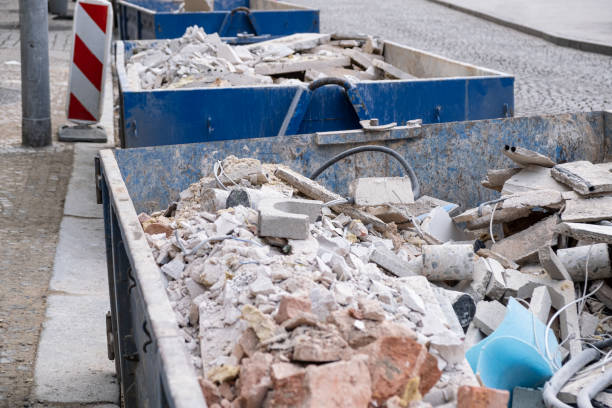
Transporting debris from a demolition site requires careful planning and execution. Specialized trucks and containers are used to move materials safely, minimizing environmental impact and traffic disruption. Heavy machinery ensures that larger debris is loaded efficiently, while smaller items are bagged or bundled for easier handling. This stage is critical, as improper transport can result in spills, damage, or regulatory penalties. Cleanup crews are trained to manage all types of demolition waste, prioritizing safety and efficiency to maintain a seamless operation.
After transportation, debris arrives at sorting or disposal facilities where it continues its journey. Recyclable materials are directed to plants that can process them into new products, while non-recyclables are sent to appropriate landfills or treatment centers. This system allows demolition projects to operate with minimal environmental footprint, transforming what appears to be waste into valuable resources. By managing debris responsibly, construction and demolition teams contribute to a more sustainable future while maintaining regulatory compliance and public safety.
Recycling Potential in Demolition Waste
Demolition debris holds surprising potential for recycling and reuse. Concrete, wood, metals, and plastics can all be diverted from landfills and reintroduced into construction or manufacturing processes. Concrete may be crushed into aggregate for roads, wood turned into mulch, and metals melted down for new products. Even materials that seem unusable at first glance often have secondary applications. This recycling potential not only conserves natural resources but also reduces the carbon footprint of demolition projects, demonstrating the hidden value of responsible waste management.
The recycling process requires careful handling to maintain quality and safety. Materials must be free of contaminants, sorted accurately, and processed in appropriate facilities. Recycling transforms debris into a resource stream rather than a burden, creating opportunities for innovation in construction and environmental management. Companies that invest in recycling initiatives reduce costs over time and promote sustainability. Ultimately, the true potential of demolition waste is realized when it is handled thoughtfully, ensuring that the materials we discard today become building blocks for the projects of tomorrow.
Environmental Impacts of Proper Debris Disposal
Proper debris disposal is crucial for minimizing the environmental impact of demolition projects. Unmanaged waste can pollute waterways, soil, and air, creating hazards for humans and wildlife. By following best practices for debris management, cleanup teams prevent contamination and promote ecological balance. Recycling and responsible disposal reduce landfill volume, lower greenhouse gas emissions, and conserve natural resources. The environmental benefits of organized debris handling demonstrate that demolition cleanup is not merely a logistical task but a significant ecological responsibility.
Beyond immediate benefits, proper debris management fosters long-term environmental resilience. Recycled materials reduce the need for virgin resources, decreasing the pressure on forests, mines, and quarries. Containing hazardous substances prevents soil and water contamination that could impact local communities for decades. By integrating sustainable practices into demolition operations, contractors and property owners play an active role in protecting the environment. Responsible disposal transforms debris from a problem into an opportunity for positive ecological impact.
The Role of Hazardous Material Handling in Demolition Cleanup
Demolition sites often contain hazardous materials such as asbestos, lead paint, or chemical residues. Proper handling of these substances is vital to protect workers, residents, and the surrounding environment. Specialized crews use protective equipment, containment strategies, and strict protocols to safely remove and transport hazardous items. Failure to manage these materials correctly can lead to serious health risks, legal consequences, and environmental damage. Thorough training and adherence to regulations ensure that hazardous debris is dealt with efficiently and safely.
Once removed, hazardous materials are transported to licensed disposal facilities equipped to manage toxic substances. These facilities neutralize or contain hazards, preventing contamination of soil, water, and air. Effective hazardous material handling ensures that demolition projects do not leave behind long-term environmental or health issues. By prioritizing safety and compliance, demolition cleanup becomes a responsible process that protects both people and the planet, turning a potentially dangerous situation into an organized and controlled operation.
The Transformation of Debris into New Materials
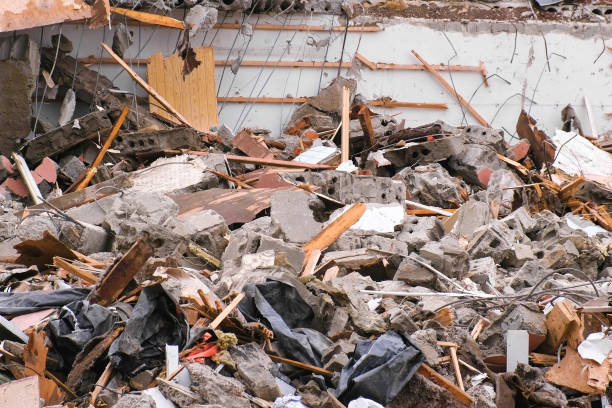
After demolition debris is collected and sorted, it often enters a transformation process. Metals can be melted and reshaped into construction beams or machinery parts. Concrete is crushed into aggregate for new foundations or roadbeds. Wood may be chipped for mulch or processed into composite boards. This transformation not only reduces landfill waste but also creates materials with tangible economic value. What was once considered garbage now contributes to building projects, demonstrating the cyclical nature of modern construction practices and the importance of responsible debris management.
The transformation process emphasizes efficiency and sustainability. Facilities that handle debris invest in machinery and processes that maximize material reuse while minimizing energy consumption. By giving debris a second life, the construction industry reduces its environmental footprint and enhances resource efficiency. This approach highlights the value of every material removed from a demolition site, proving that waste is not simply discarded but reimagined. Through careful handling and innovative thinking, debris becomes a vital part of the ongoing construction ecosystem.
The Legal and Regulatory Aspects of Debris Disposal
Demolition debris disposal is subject to a variety of local, state, and federal regulations. Laws govern how waste must be sorted, transported, and processed to prevent environmental harm and protect public health. Compliance is critical to avoid fines, legal action, or project delays. Professional cleanup services ensure that every step of the debris management process adheres to these regulations. Understanding the legal landscape allows property owners and contractors to plan demolition projects confidently, knowing that their debris will be handled responsibly.
Regulations also encourage recycling and sustainability in construction. Many jurisdictions require a minimum percentage of materials to be diverted from landfills, pushing demolition teams to explore creative reuse strategies. Proper documentation and reporting maintain transparency and accountability, ensuring that debris management aligns with legal and environmental standards. By following these guidelines, demolition projects operate smoothly while supporting broader societal goals of waste reduction, pollution prevention, and sustainable resource use.
How Debris Management Enhances Safety on Sites
Effective debris management is essential for maintaining safety on demolition sites. Piles of rubble and leftover materials can pose tripping hazards, block access routes, and obstruct emergency exits. Organized debris removal keeps work areas clear, reducing the risk of accidents. Cleanup crews implement protocols to handle sharp, heavy, or hazardous items carefully. Safe handling practices protect workers while ensuring that the project progresses efficiently. In addition, visible and systematic debris management fosters a culture of safety and awareness across the site.
Beyond physical safety, proper debris handling also supports operational efficiency. Clear pathways allow machinery and personnel to move without hindrance, reducing delays and potential equipment damage. Safety and productivity go hand in hand, making debris management a critical component of demolition planning. By prioritizing both human well-being and operational flow, cleanup teams create a structured environment where demolition tasks can be completed effectively, safely, and on schedule.
The Economic Benefits of Efficient Debris Disposal
Efficient debris disposal offers financial advantages for demolition projects. Recycling materials can reduce disposal costs, while repurposed debris may generate revenue or offset the expense of new construction materials. Streamlined cleanup operations save time, which translates to labor cost savings. Minimizing waste also reduces fees associated with landfill use. By integrating debris management into project planning, contractors can balance environmental responsibility with economic efficiency, creating a more sustainable business model for construction and demolition work.
Investing in professional debris management pays off beyond immediate cost savings. Companies that demonstrate a commitment to recycling, safety, and regulatory compliance often gain a competitive edge. Sustainable practices appeal to clients, communities, and partners, enhancing reputation and future business opportunities. When demolition debris is managed effectively, it becomes an asset rather than a liability. Thoughtful planning and execution allow projects to stay on budget while supporting environmental and social responsibility, proving that waste management and financial performance can go hand in hand.
Conclusion
Demolition debris does not simply disappear after cleanup; it embarks on a carefully managed journey that maximizes recycling, reduces environmental impact, and supports safety and efficiency on sites. From sorting to transportation, hazardous material handling, and eventual transformation into new resources, each step ensures that materials are responsibly managed and valuable opportunities are captured. Companies that specialize in these services combine expertise, equipment, and knowledge to turn what seems like waste into meaningful contributions to future projects.
By embracing sustainable practices, debris becomes a resource rather than a burden, creating a positive ripple effect throughout the construction industry. For reliable demolition cleanup services in the area, contact Clifford’s Junk Removal in Roseville, CA. Reach them at 916-232-3588 for professional assistance you can trust.