
Proper planning is the foundation of a smooth bathroom demolition. Start by clearly defining the areas to be removed, such as cabinets, tiles, or plumbing fixtures. Map out any structural elements that must remain intact and mark hazards like electrical outlets or water lines. Taking time to measure, photograph, and note the layout helps prevent costly mistakes and ensures nothing essential is damaged during the process. Even small details, like confirming water shutoff locations, play a crucial role in maintaining safety and efficiency.
Organizing your timeline is equally important. Schedule the demolition in stages, beginning with items that are easily removed and moving toward more complex structures. Consider the disposal requirements for different materials, separating recyclable items from waste. This level of preparation ensures the work flows efficiently while minimizing disruptions to the household. By approaching the project systematically, you lay the groundwork for a clean, organized, and successful demolition.
Removing Personal Items and Preparing the Space
Before demolition begins, clearing the bathroom of personal items is essential. Remove toiletries, towels, rugs, and decorative pieces, storing them elsewhere in the home or in temporary storage. Empty cabinets and drawers completely to prevent damage and make room for demolition work. This step reduces clutter and protects personal belongings from dust and debris that naturally accumulate during the process.
Protecting surfaces not scheduled for demolition is another key consideration. Lay down drop cloths or plastic sheeting over floors and remaining furniture. Seal vents to prevent dust from traveling to other areas. Taking these precautions not only safeguards your home but also streamlines cleanup afterward. A well-prepared space minimizes stress and allows demolition crews to work efficiently without unexpected interruptions.
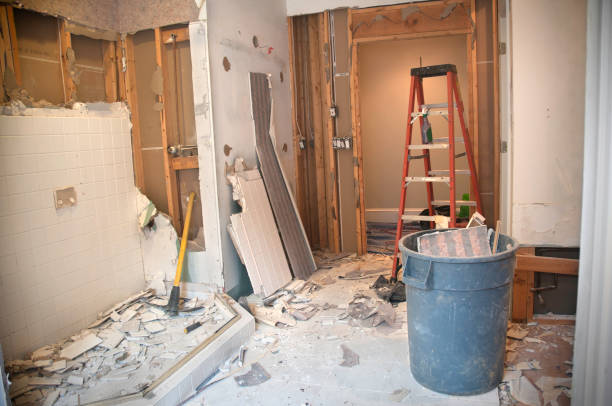
Understanding Safety Precautions and Equipment Needs
Safety is paramount during bathroom demolition. Ensure you have the proper protective gear, including gloves, goggles, dust masks, and sturdy footwear. Be mindful of potential hazards such as sharp tiles, broken glass, and exposed nails, which can cause serious injury if ignored. Understanding the risks associated with electrical and plumbing systems is critical to avoid accidents and costly repairs.
Equipping the demolition space with the right tools also improves efficiency. Hammers, pry bars, utility knives, and reciprocating saws are standard essentials, while heavy-duty wheelbarrows and bins help manage debris. Familiarizing yourself with tool operation and maintaining a tidy work area reduces the risk of injury and keeps the project on schedule. A careful approach ensures both safety and productivity throughout the demolition.
Shutting Off Utilities Before Starting Work
A crucial step often overlooked is turning off utilities before beginning demolition. Water supply, electrical circuits, and gas lines should be properly disconnected to avoid accidents. Marking the main shutoff valves and switches ensures quick access in emergencies, protecting both workers and homeowners from harm.
After utilities are secured, double-check for hidden water or electrical lines that may be embedded behind walls or under floors. Consulting a professional for verification can prevent costly mistakes. With utilities safely managed, demolition can proceed confidently, minimizing the risk of leaks, shocks, or damage to your home’s infrastructure. Proper preparation in this phase sets the stage for a controlled, efficient project.
Planning for Waste Management and Disposal
Bathroom demolition generates significant debris, including tiles, cabinets, plumbing fixtures, and old flooring. Before work begins, plan how to manage and dispose of these materials responsibly. Separating recyclable items from waste can reduce environmental impact and lower disposal costs.
Organize containers or bins for different types of debris and ensure access points for easy removal. Hiring a professional hauling service can simplify the process, particularly for bulky or hazardous materials. A well-thought-out disposal plan minimizes clutter, prevents injuries, and keeps the project area safe and organized. Effective waste management is as important as the demolition itself for a smooth, efficient renovation.
Protecting Adjacent Rooms and Surfaces
Bathroom demolition often affects neighboring rooms if precautions are not taken. Dust, debris, and moisture can travel quickly, causing damage to adjacent areas. Use plastic sheeting or temporary barriers to seal doorways, vents, and openings, preventing contamination beyond the demolition site.
Floors outside the bathroom should also be protected with drop cloths or cardboard sheets to reduce the risk of scratches or stains. Properly isolating the demolition area not only safeguards your home but also creates a more efficient workspace. Workers can focus on removing fixtures and debris without concern for collateral damage, ensuring the renovation progresses smoothly and safely.
Demolishing Fixtures and Tiling Safely
Removing bathroom fixtures and tiles requires a methodical and careful approach to prevent damage to both plumbing and structural components. Begin by tackling smaller items, such as mirrors, light fixtures, towel racks, and shelving. These elements can often be unscrewed or gently pried away without disturbing surrounding walls. Once these items are removed, focus on larger fixtures, including cabinets, sinks, bathtubs, and toilets. Use appropriate tools such as pry bars, hammers, and utility knives to loosen materials safely. When working with tiles, cutting along grout lines and applying gentle pressure helps lift tiles without cracking underlying surfaces, which is crucial if the flooring or walls are to be preserved or reused.
Handling heavy fixtures demands special attention to safety. Lift with your legs rather than your back, or enlist additional help when moving awkward pieces. Maintaining a designated area for debris is essential to prevent clutter and allow workers to move safely. Dispose of materials promptly in proper bins or containers to reduce trip hazards and maintain an organized workspace. Precision and patience during this phase are critical; rushing can lead to damage or injuries. By following these careful procedures, you protect valuable structures, reduce risks, and set the stage for a smoother renovation process. Properly managing each removal step ensures the demolition is both safe and efficient while preserving the integrity of the remaining bathroom framework.
Managing Dust, Mold, and Hazardous Materials
Bathroom demolition can inadvertently expose hidden hazards such as mold, asbestos, or lead-based materials, which pose significant health risks if not handled properly. Older homes, in particular, may contain these substances in tiles, insulation, or plumbing materials. Prior to beginning any demolition, it is crucial to identify potential hazards through professional inspection or testing. Once identified, implement proper containment strategies, including sealing off areas with plastic sheeting and using negative air pressure to prevent particles from spreading. Awareness of these risks helps protect both workers and residents from long-term health complications and ensures compliance with safety regulations.
Dust control is equally important during bathroom demolition. Dust particles, especially those carrying mold spores or fine debris, can quickly migrate to other areas of the home. Employ preventive techniques such as wetting surfaces before removal, installing temporary barriers, and using HEPA-filtered vacuums to maintain air quality. Wearing personal protective equipment, including masks and gloves, is essential for anyone working in the space. By taking these proactive measures, the demolition proceeds efficiently while minimizing exposure to harmful substances. Ensuring that the site remains controlled and safe not only protects health but also contributes to a cleaner, more organized work environment, making the subsequent renovation process safer and more manageable.
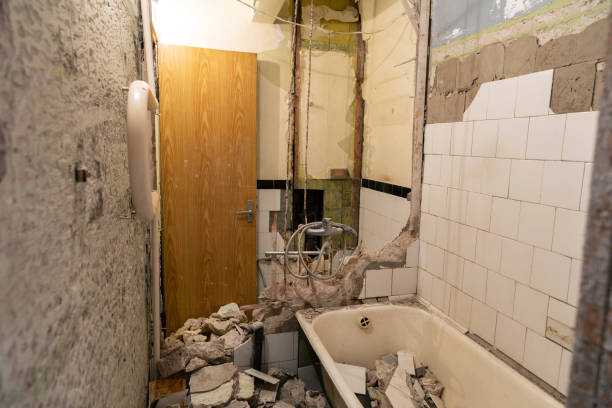
Organizing Tools and Maintaining a Clean Work Area
Maintaining an organized work area is critical to both safety and productivity during bathroom demolition. A cluttered space increases the risk of accidents, from tripping over debris to mishandling tools, which can slow progress and create unnecessary hazards. Start by arranging all tools, fasteners, and equipment in easily accessible locations. Keep debris bins or wheelbarrows nearby to collect discarded materials immediately. Regularly clearing waste prevents overcrowding, allowing workers to move freely and operate machinery safely. Establishing a systematic approach to tool storage and debris management improves workflow and minimizes interruptions.
Creating a structured workflow further enhances efficiency. As demolition progresses, assign team members to specific tasks, such as removing fixtures, collecting debris, or operating equipment. Encourage the practice of returning tools to a central location after use, reducing the likelihood of misplaced items or accidents caused by scattered equipment. A clean and organized site not only reflects professionalism but also allows the team to work more effectively. This methodical organization ultimately accelerates the project timeline, reduces stress, and ensures that every demolition step is executed smoothly. Proper site management is a small effort with a large payoff, transforming a chaotic space into a safe, productive environment ready for the next phase of renovation.
Hiring Professionals for Stress-Free Demolition
While some homeowners may attempt bathroom demolition on their own, hiring experienced professionals offers numerous advantages. Professional demolition crews possess specialized tools and technical knowledge that enable them to remove fixtures safely and efficiently. They are trained to identify potential hazards, such as hidden plumbing, electrical wiring, or structural vulnerabilities, minimizing the risk of costly damage. By relying on their expertise, homeowners can avoid common pitfalls that arise during DIY demolition, including injuries, accidental destruction of materials, and improper waste disposal.
In addition to safety, hiring professionals saves time and reduces stress. A trained team works systematically, coordinating debris removal, managing dust and hazardous materials, and ensuring the workspace remains organized throughout the process. This allows homeowners to focus on planning their renovation rather than handling labor-intensive cleanup. Furthermore, professional demolition services often include responsible disposal and recycling of materials, supporting eco-friendly practices and compliance with local regulations. Engaging experts not only streamlines the demolition process but also creates a smoother transition to remodeling. Investing in professional services guarantees a more controlled, efficient, and stress-free experience while ensuring safety, quality, and proper handling of all materials.
Evaluating the Space and Planning Renovation Next Steps
After completing demolition, the newly cleared space offers a valuable opportunity to evaluate the bathroom and prepare for renovation. Inspect walls, flooring, and plumbing systems carefully for damage that may have been hidden beneath fixtures or tiles. Identifying potential issues early allows for repairs before installing new elements, preventing delays and ensuring a stable foundation for the renovation. Accurate measurements of the space are essential for proper placement of cabinets, sinks, tubs, and other fixtures. Marking layouts in advance helps guide installation and maintains symmetry and functionality.
Planning ahead also involves considering lighting, ventilation, and storage solutions to optimize both aesthetics and functionality. This stage allows homeowners to integrate innovative design choices, such as energy-efficient fixtures, modern cabinetry, or customized layouts, without the constraint of leftover debris or poorly evaluated structures. A thorough post-demolition assessment ensures that the renovation process proceeds smoothly, minimizing surprises and supporting a more efficient construction schedule. By thoughtfully evaluating the cleared space and planning next steps, homeowners transform the bathroom into a well-prepared canvas, paving the way for a stylish, functional, and successful renovation outcome.
Conclusion
Preparing for a bathroom demolition requires careful planning, safety awareness, and thoughtful organization. Clearing personal items, shutting off utilities, protecting surrounding areas, and managing debris are all essential steps to ensure the project runs smoothly and efficiently. Taking the time to plan properly can reduce stress and minimize the risk of accidents. For those who prefer professional assistance, hiring experts can make the process faster and safer while ensuring proper handling of materials.
For reliable and efficient junk removal services, Clifford’s Junk Removal is ready to help with bathroom demolition cleanup of any scale. Conveniently serving the Roseville, CA area, they can be reached at 916-232-3588 for prompt, professional service.