Before embarking on a demolition cleanup, preparation is critical to ensure the process is smooth, safe, and efficient. Clearing out personal belongings, separating hazardous materials, and organizing work areas can drastically reduce potential risks during debris removal. By identifying areas prone to damage or requiring special attention, you create a foundation for a more organized cleanup. Mapping out where each category of debris will go—wood, metal, drywall, or concrete—prevents confusion and reduces time spent sorting. This careful planning also helps you adhere to local disposal regulations, keeping the project legally compliant while maintaining a safe environment for workers and occupants.
Once preparation is complete, establishing safety protocols is key. Personal protective equipment, including gloves, masks, and eye protection, safeguards against dust, sharp materials, and chemicals often present after renovations. Creating designated walkways and clearly marking zones for heavy debris or hazardous waste keeps the workspace organized and minimizes accidents. By setting these standards from the beginning, cleanup becomes systematic rather than chaotic. The end result is not just a cleaner area but a safer environment, making the post-renovation space ready for either further construction or immediate use, saving time and energy in the long run.
Organizing Debris for Efficient Disposal
Effective demolition cleanup requires an organized approach to debris disposal. Large-scale renovations often produce a mix of materials, from scrap wood to broken tiles and drywall. Sorting debris into categories ensures recyclable items are separated from general waste, reducing environmental impact while streamlining disposal. Creating temporary storage areas, such as bins or covered sections, prevents clutter and makes it easier to transport materials off-site. Taking inventory of debris types also helps estimate disposal needs, allowing you to arrange for appropriate hauling equipment or services in advance. This methodical strategy minimizes confusion and accelerates cleanup, making the project more manageable for property owners or contractors.
Additionally, labeling debris clearly and grouping it based on material type or disposal requirements increases efficiency. Certain items, like metals and electronics, may require special handling due to toxicity or recycling protocols. Keeping these materials apart from general waste avoids potential fines and facilitates environmentally responsible disposal. For businesses or residential projects, this attention to detail not only promotes safety but also ensures the cleanup aligns with sustainability goals. Organized debris management transforms a chaotic site into a structured workflow, reducing time, labor costs, and stress while preserving the value and integrity of the property.
Choosing the Right Tools for Post-Renovation Cleanup
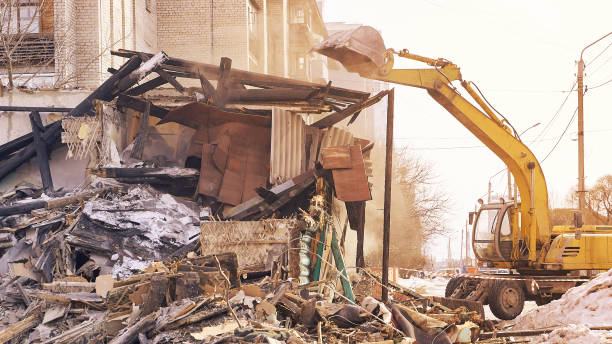
Selecting the proper tools is fundamental when handling demolition cleanup. The right equipment reduces labor intensity and speeds up the process, making even large projects manageable. Essential tools often include wheelbarrows, heavy-duty trash bins, shovels, brooms, and industrial vacuums. Each tool serves a specific purpose, whether moving heavy debris, sweeping fine dust, or collecting hazardous materials safely. Investing in durable, high-quality tools ensures they withstand the rigors of post-renovation cleanup, avoiding frequent replacements and minimizing downtime. Using appropriate equipment also supports worker safety, as makeshift solutions often result in injuries or inefficiencies that could have been avoided.
Beyond standard tools, specialized equipment such as debris chutes, dumpsters, and pallet jacks may be necessary for larger demolition projects. Incorporating mechanized options, like power washers or compact loaders, can significantly reduce manual labor. This is particularly important when cleaning extensive areas where time constraints are tight or debris is dense. By combining standard and specialized tools, cleanup crews can address every corner efficiently, ensuring no hazardous or unwanted material is left behind. Ultimately, choosing the right equipment directly impacts the speed, cost-effectiveness, and safety of the demolition cleanup process.
Hiring Professional Services for Demolition Waste Removal
Professional junk removal services offer unmatched efficiency and expertise when tackling post-renovation debris. For homeowners and businesses, outsourcing cleanup reduces physical strain and ensures proper disposal of hazardous materials. Trained professionals have access to specialized equipment and vehicles designed to handle large volumes of debris safely. By relying on experts, property owners can avoid common pitfalls such as improper waste segregation, violations of local disposal laws, or accidental damage to property. These services often include labor, transportation, and recycling solutions, creating a comprehensive approach to cleanup that is both convenient and cost-effective.
Working with professional services also saves significant time. Instead of dedicating days or weeks to sorting, lifting, and hauling, property owners can focus on other critical tasks. Professionals understand how to navigate complex materials, like asbestos, lead, or heavy construction rubble, minimizing liability. Additionally, they often have established partnerships with recycling facilities and disposal centers, ensuring materials are processed responsibly. Choosing a reputable company for demolition cleanup provides peace of mind, guarantees compliance with environmental regulations, and accelerates the transition from renovation to a usable, organized space.
Prioritizing Safety During Cleanup Operations
Safety should be the foremost concern during any demolition cleanup project. Post-renovation sites often contain sharp edges, broken glass, and unstable structures, creating hazards for anyone present. Implementing proper safety measures, such as cordoning off dangerous areas and wearing protective gear, helps prevent injuries. Employees or homeowners should also be trained to handle heavy lifting and repetitive tasks safely. Adequate lighting, ventilation, and clear pathways further reduce risks, making the cleanup process smoother and more controlled. Prioritizing safety not only protects individuals but also maintains the integrity of the property during post-renovation activities.
Another aspect of safety involves handling toxic or hazardous waste responsibly. Materials like paints, solvents, and certain types of insulation can pose health risks if not managed correctly. Establishing strict disposal protocols and ensuring workers understand chemical hazards is essential. Additionally, first aid kits and emergency procedures should be readily accessible. By maintaining a safety-focused mindset throughout the cleanup process, property owners and contractors can prevent accidents, minimize liability, and ensure that the renovation site transitions to a safe, livable environment without incident.
Reducing Environmental Impact of Demolition Waste
Sustainable demolition cleanup practices are increasingly important for both residential and commercial projects. Recycling and repurposing materials, such as metals, wood, and concrete, significantly reduces landfill contributions. Segregating items for reuse or donation not only supports environmental responsibility but also provides cost-saving opportunities. Employing eco-friendly disposal methods aligns with local regulations and sustainability initiatives, demonstrating a commitment to minimizing negative environmental impacts. Thoughtful planning in waste management ensures that every piece of debris is considered for its potential reuse, creating a more conscious cleanup process that benefits both the property owner and the community.
Moreover, partnering with recycling centers or professional hauling companies ensures that hazardous materials are handled correctly. Items like electronics, batteries, and certain construction chemicals require specialized treatment to prevent pollution. By incorporating sustainable practices into demolition cleanup, projects become more than just about clearing space—they contribute to broader environmental goals. Reducing the ecological footprint not only protects natural resources but also enhances the reputation of the property owner or contractor as a responsible entity. Environmentally conscious cleanup practices combine efficiency, safety, and sustainability into a single, well-rounded approach.
Managing Time Effectively During Cleanup
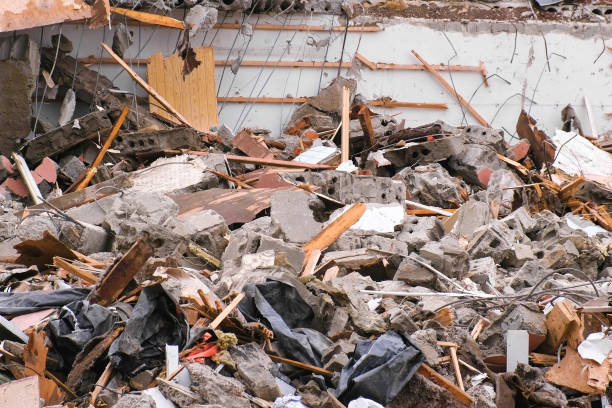
Time management is a critical factor in demolition cleanup projects. Efficient scheduling and workflow organization ensure that tasks are completed promptly without compromising safety or quality. Breaking down cleanup into manageable phases, such as debris removal, surface cleaning, and hazardous waste disposal, allows for structured progress tracking. Setting realistic timelines for each stage prevents bottlenecks and avoids prolonged disruption of the surrounding environment. Effective time management also improves coordination with subcontractors, waste haulers, and recycling facilities, reducing idle periods and ensuring a smoother project flow. Proper planning ultimately saves labor costs while maintaining a clean and safe site.
In addition to structured scheduling, allocating appropriate personnel for each task enhances efficiency. Assigning workers based on skill sets ensures that specialized duties, like handling hazardous materials or operating machinery, are performed correctly. Implementing daily or weekly check-ins to assess progress keeps the team accountable and allows for adjustments in strategy if needed. By focusing on both scheduling and resource allocation, demolition cleanup becomes a well-orchestrated process that minimizes stress, maximizes productivity, and ensures timely completion without compromising safety or quality standards.
Dealing With Hazardous Materials Safely
Post-renovation sites frequently contain hazardous materials that require careful handling. Asbestos, lead paint, chemicals, and sharp debris pose serious risks to anyone on site. Identifying these materials before beginning cleanup is essential for worker safety and regulatory compliance. Proper containment, labeling, and disposal methods reduce exposure and prevent environmental contamination. Following local and federal guidelines ensures that hazardous materials are removed safely and responsibly, avoiding legal penalties and health risks. Additionally, educating workers about potential dangers and correct handling techniques further mitigates hazards, creating a safer work environment during demolition cleanup.
Streamlining Cleanup With Efficient Logistics
Logistics planning is crucial for seamless demolition cleanup. Coordinating the removal, transport, and disposal of debris requires strategic scheduling and equipment allocation. Efficient logistics reduce project downtime, prevent bottlenecks, and ensure that waste is moved quickly and safely. Planning access routes, staging areas, and disposal points allows for smooth material flow throughout the cleanup process. By mapping out these logistical considerations in advance, property owners and contractors minimize disruptions, improve team efficiency, and maintain a well-organized site. Strong logistical planning directly contributes to faster, more controlled post-renovation cleanup outcomes.
Incorporating professional hauling services into the logistical plan further enhances efficiency. Hauling companies provide vehicles, labor, and disposal expertise, reducing the need for multiple trips or manual handling. Scheduling pickups to align with cleanup phases prevents debris accumulation and keeps the site manageable. Additionally, integrating recycling and donation logistics ensures environmentally responsible disposal of salvageable materials. By focusing on streamlined logistics, demolition cleanup transitions from a complex, labor-intensive task into a well-coordinated, productive operation that saves time, labor, and costs while delivering a clean, organized space.
Restoring Your Space to Move-In Ready Condition
The final stage of demolition cleanup is restoring the property to a usable, move-in ready condition. This involves removing remaining debris, sweeping dust, and ensuring all surfaces are clean and safe. Attention to detail, such as checking corners, windows, and hard-to-reach areas, guarantees a thorough cleanup. This stage also provides an opportunity to inspect for any damage that may have occurred during demolition, allowing prompt repairs. A fully restored space creates a welcoming environment, whether the property is intended for personal use, rental, or resale. Clean, organized spaces also enhance property value and overall usability.
Conclusion
Handling demolition cleanup after a major renovation requires careful planning, organization, and professional support. By prioritizing debris sorting, safety protocols, sustainable disposal practices, and efficient logistics, property owners can turn post-renovation disorder into a clean, safe, and functional space. Partnering with expert junk removal services ensures the cleanup is thorough, timely, and compliant with local regulations, while also minimizing physical strain and environmental impact.
For those seeking reliable assistance with demolition debris removal in Roseville, CA, Clifford’s Junk Removal provides professional, dependable services. Their team can handle any size project efficiently, making the post-renovation process stress-free. Clifford’s Junk Removal can be reached at 916-232-3588 for quotes and scheduling.