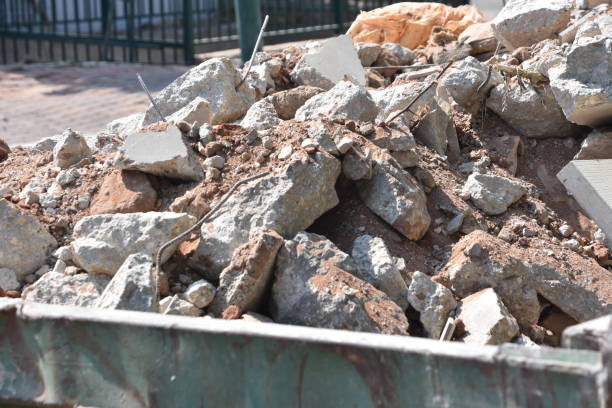
Removing concrete requires careful planning to avoid damage to adjacent areas. Start by assessing the location and identifying any nearby structures, landscaping, or utilities. Use protective coverings for plants and flooring to minimize accidental chipping or staining. Choosing the right tools, such as a jackhammer with adjustable settings, ensures precision and control. Small sections of concrete can be broken with hand tools like sledgehammers or pry bars, allowing gradual removal while preserving the integrity of surrounding areas.
Patience is key when tackling stubborn sections. Avoid rushing the process, which can lead to cracks spreading to nearby surfaces. Keeping a consistent rhythm and alternating between heavy and light impacts helps maintain safety and efficiency. Using barriers and safety equipment also reduces the risk of property damage while working through the project methodically.
Preparing Your Property for Efficient Concrete Demolition
Before beginning any concrete demolition project, careful preparation is essential to protect both your property and your workflow. Start by thoroughly clearing the surrounding area of loose debris, fragile items, and any objects that could obstruct movement or become damaged during the process. Removing obstacles not only reduces the risk of accidental impacts but also makes post-demolition cleanup faster and more efficient. Covering valuable surfaces such as patios, driveways, or nearby flooring with protective tarps or boards adds another layer of security, while trimming overhanging branches or clearing landscaping buffers ensures that plants and structures are shielded from flying fragments.
Proper planning should also include marking the exact sections of concrete to be removed and determining the disposal route for debris. This approach reduces confusion during demolition and helps prevent accidental damage to property. Installing temporary fencing or protective barriers around the work zone keeps bystanders and surrounding structures safe. Additionally, considering noise levels, vibrations, and accessibility for heavy equipment is critical, especially near sensitive buildings or structures. By taking these preparatory steps, you create a controlled, efficient work environment that minimizes risks, prevents costly mistakes, and ultimately saves both time and resources while ensuring a smoother and safer concrete removal process.
Choosing the Right Tools for Safe Concrete Extraction
Selecting the appropriate tools for concrete removal is crucial for protecting your property and ensuring a safe, efficient process. Lightweight jackhammers, concrete saws, and chisels are ideal for controlled, precision work, particularly in areas close to walls, landscaping, or other sensitive structures. Heavier equipment, while effective for large, thick slabs, should be used only when necessary to avoid excessive vibrations that could compromise nearby surfaces. For delicate projects, handheld or electric-powered tools provide the control needed to break concrete in smaller, manageable sections without risking collateral damage.
Equally important is the use of proper safety gear and attachments. Goggles, gloves, reinforced footwear, and protective clothing shield the operator from flying debris, while adjustable saw blades, chisels, and other specialized attachments improve precision and efficiency. Properly maintained tools also reduce the likelihood of accidents or uneven breaks, preserving both the concrete’s removal path and surrounding property. By carefully selecting the right equipment and protective measures, you ensure the process is not only faster and more effective but also significantly safer, keeping your property intact and your project on track without unexpected setbacks or costly repairs.
Breaking Concrete Strategically to Protect Surroundings
Concrete removal should follow a calculated plan rather than haphazard demolition. Start by cutting manageable sections and scoring the surface to guide your breaks. This reduces the likelihood of uncontrolled cracks spreading and damaging surrounding structures. Gradually removing layers of concrete keeps the process predictable and manageable.
Assess the weight and stability of sections as you work, ensuring they do not fall unexpectedly. Strategic placement of wedges or pry bars can help lift pieces safely. By approaching the task in phases, you preserve nearby surfaces and maintain control over debris, ensuring the removal is both efficient and property-friendly.
Minimizing Vibration Impact on Nearby Structures
Excessive vibrations during concrete removal can cause unexpected cracks in walls, driveways, or foundations. To prevent this, use lighter equipment, reduce hammering intensity, and work in smaller sections. Padding sensitive areas or using vibration-dampening tools further limits the impact, keeping structures intact.
Carefully monitoring each strike and pausing between impacts allows vibrations to dissipate naturally. Combining manual and powered tools ensures control without sacrificing speed. This deliberate approach protects your property while still enabling efficient removal, making it safer to handle large or complex concrete surfaces without collateral damage.
Safe Disposal Practices After Concrete Removal
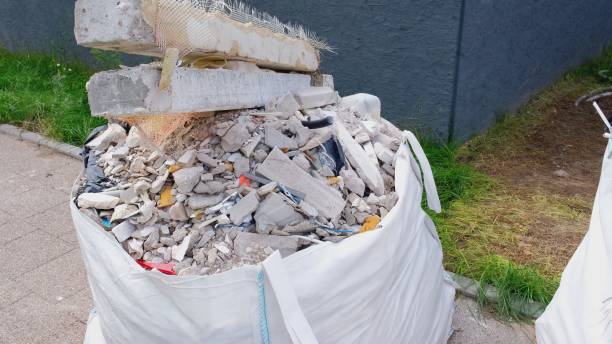
Removing concrete is only part of the project; proper disposal prevents property damage and clutter. Sort debris into manageable sizes and use durable containers to avoid spills or scratches on driveways. Plan the transport route to minimize contact with structures and landscaping, keeping the site clean and organized.
Recycling concrete whenever possible reduces environmental impact and ensures safer handling. Avoid dragging heavy slabs across sensitive surfaces; lifting them carefully with equipment or team coordination preserves surrounding areas. By implementing responsible disposal practices, the process becomes smoother, more efficient, and property-friendly.
Protecting Landscaping During Concrete Extraction
Concrete projects can be tough on surrounding landscaping if precautions are not taken. Plants, shrubs, flowers, and grass are highly vulnerable to dust, flying debris, and the impact of heavy equipment. Before starting any demolition, carefully assess the area and identify all elements that need protection. Covering plants and flower beds with thick tarps or plywood sheets creates a protective barrier, while trimming overhanging branches and removing loose soil reduces the risk of accidental damage. These simple preparations preserve both the appearance and health of your outdoor space.
Strategic placement of drop cloths and temporary fencing can also serve as a protective boundary, preventing equipment from encroaching on sensitive areas. Heavy tools and machinery should be maneuvered carefully to avoid compressing soil or damaging roots. In addition, watering plants before starting the project can help reduce dust accumulation, which can otherwise harm leaves and stems. By prioritizing landscaping protection, you not only maintain the beauty of your property but also reduce the effort required for post-project restoration. Taking the time to safeguard greenery ensures a cleaner work environment, lowers the likelihood of unexpected damage, and protects your investment in both landscaping and overall property aesthetics.
Techniques for Cutting Concrete Safely Near Structures
Working near walls, fences, or foundations presents unique challenges when removing concrete. A single miscalculated strike can cause cracks or structural damage, making careful planning essential. One effective approach is to score the concrete using a saw before attempting removal. Scoring establishes controlled break lines and guides the process, significantly reducing the likelihood of unintended fractures spreading into nearby structures. Using small, precise tools, like handheld saws or chisels, allows for greater control and accuracy in confined areas.
Gradual, incremental cutting is the key to balancing efficiency with safety. Rather than attempting to remove an entire slab at once, deepen scores layer by layer while monitoring the surrounding surfaces for any signs of stress. In addition, employing vibration-dampening attachments or tools minimizes stress on adjacent structures, reducing the risk of hairline cracks. Protective measures such as temporary barriers or cushioning between the tool and sensitive surfaces further prevent accidental damage. By adopting these techniques, concrete removal near structures becomes a controlled, methodical operation. This approach ensures that both the work is completed efficiently and the property remains intact, safeguarding investment and reducing the need for costly repairs.
Avoiding Common Mistakes in Concrete Demolition
Concrete demolition might seem straightforward, but rushing through the process often results in property damage, wasted time, and increased costs. One frequent mistake is using oversized tools for small or delicate areas, which can easily chip or crack surrounding surfaces. Another is neglecting protective coverings for nearby plants, walls, or flooring, leaving these surfaces exposed to debris and vibration. Underestimating the weight and instability of slabs can also lead to accidents, putting both workers and property at risk. Awareness of these common pitfalls is the first step toward avoiding them and ensuring smoother, safer progress.
Planning each stage carefully is essential to successful demolition. Gradual, controlled strikes and consistent monitoring help prevent uncontrolled impacts and structural damage. Equipping the team with the right tools and safety gear, and clearly marking areas to avoid, further reduces the likelihood of mishaps. By focusing on methodical work and risk mitigation, you maintain better control over the project and preserve surrounding structures and landscaping. Avoiding these errors not only keeps the property intact but also improves efficiency, minimizes cleanup efforts, and ensures that the concrete removal process proceeds safely, predictably, and without unnecessary complications.
Planning for Post-Removal Cleanup and Restoration
Once the concrete is removed, cleanup becomes a critical phase in safeguarding property and preparing the site for its next use. Debris must be swept or removed carefully to avoid scratches or marks on remaining surfaces, and protective coverings should be taken off only after ensuring that all fragments are cleared. Inspection of surrounding areas is important to detect any incidental cracks, chips, or scuffs that might have occurred during removal, allowing for timely repairs. Attention to detail during cleanup prevents lingering damage and ensures the site is functional, safe, and visually appealing.
Minor repairs may include patching small chips or sanding rough edges, and using appropriate cleaning solutions helps remove dust and residue without harming flooring, pavement, or landscaping. Organizing tools and equipment also contributes to a cleaner workspace and reduces the risk of future accidents. Thorough post-removal cleanup not only protects the property but also makes any subsequent restoration or construction more efficient. A well-planned approach ensures the area is safe, orderly, and ready for the next phase, whether that involves new concrete installation, landscaping, or general use, preserving both the integrity and appearance of the property.
Conclusion
Concrete removal requires precision, patience, and careful planning to avoid damage to your property. By selecting the right tools, employing strategic demolition techniques, and protecting the surrounding areas, you can complete the project efficiently while maintaining your property’s integrity. Every step, from initial preparation to final cleanup, is essential for minimizing risks and ensuring safety throughout the process.
For reliable assistance and professional concrete removal services, contact Clifford’s Junk Removal in Roseville, CA. Their experienced team can help manage your project smoothly and safely, whether it’s a small repair or a large demolition. Reach out today at 916-232-3588 to schedule your service or get a free consultation. Proper planning and expert support make all the difference in achieving a clean, safe, and hassle-free concrete removal project.