Before any demolition cleanup begins, careful planning is essential to ensure safety and efficiency. Surveying the site thoroughly can help identify potential hazards such as sharp debris, unstable structures, or exposed wiring. Marking off dangerous zones with tape or barriers reduces the risk of accidents while providing clear guidance for workers and visitors. Ensuring that appropriate personal protective equipment is available, including gloves, goggles, and heavy-duty footwear, is a critical step that cannot be overlooked. Clear communication among team members regarding roles and responsibilities creates a coordinated approach that minimizes errors during cleanup operations. Preparation lays the foundation for a smooth process.
Another key factor is organizing waste management systems before demolition begins. Sorting debris by material type, such as wood, metal, and concrete, streamlines recycling efforts and prevents unnecessary contamination. Establishing temporary storage areas for reusable materials reduces clutter and ensures efficient transportation when hauling is necessary. Having proper disposal methods for hazardous materials like asbestos or chemical residues is also vital. A well-prepared site not only enhances safety but also boosts overall efficiency, saving time and reducing costs. Thoughtful planning ensures that demolition cleanup proceeds smoothly, without compromising safety or environmental standards.
Understanding the Risks Associated with Demolition Waste
Demolition cleanup presents numerous hazards, from airborne dust to hidden sharp objects, making risk awareness essential. Debris can include nails, broken glass, jagged metal, and splintered wood, which pose direct physical threats. Inhaling dust or chemical residues can lead to respiratory issues, particularly when asbestos or lead-based materials are present. Proper identification of these risks before beginning cleanup allows teams to implement protective measures effectively. Training workers in safe handling techniques and emergency response procedures further reduces the chance of accidents, ensuring that every cleanup step is carried out responsibly.
Another concern is structural instability that may persist after partial demolition. Unsecured walls, beams, or floors can collapse unexpectedly if not carefully managed. Recognizing environmental hazards such as slippery surfaces or uneven terrain helps prevent slips and falls. By evaluating these risks early, teams can adopt strategies like shoring up unstable sections, using dust suppression methods, and providing clear pathways for movement. Awareness of potential dangers not only protects workers but also ensures compliance with safety regulations, fostering a professional, reliable approach to demolition cleanup that safeguards both people and property.
Essential Equipment for Demolition Cleanup
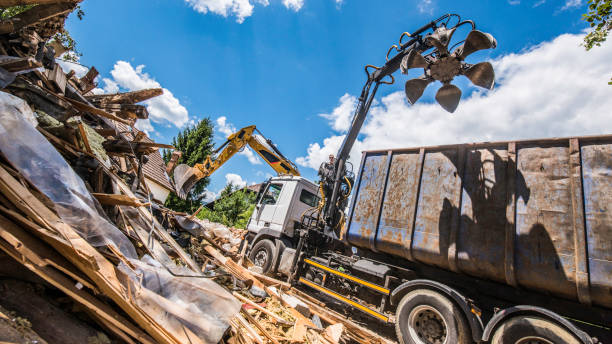
Successful demolition cleanup relies on using the right tools and equipment to handle waste safely. Heavy-duty gloves, reinforced boots, and protective eyewear form the baseline for personal safety, while helmets and high-visibility clothing are recommended for larger sites. For removing debris, wheelbarrows, industrial brooms, and shovels facilitate efficient transport of materials. Power tools, including demolition saws and grinders, may be necessary for breaking down larger items but require skilled handling to avoid injuries. Having all equipment prepared and in good working condition ensures that cleanup progresses efficiently and safely, without unnecessary delays or hazards.
Proper equipment also includes safety aids like dust masks or respirators, especially when dealing with fine particles or hazardous materials. Tarps, containers, and labeling systems help sort debris and prevent contamination, streamlining disposal or recycling processes. Heavy machinery, such as skid steers or mini-excavators, may be used on larger demolition sites but must be operated by trained personnel. Regular maintenance checks and adherence to manufacturer guidelines prevent accidents caused by malfunctioning equipment. With a well-equipped cleanup team, the demolition process becomes more organized, safer, and environmentally responsible, ensuring each step meets both practical and regulatory requirements.
Sorting Debris to Improve Safety and Efficiency
Organizing demolition waste into categories improves cleanup speed and enhances safety by reducing clutter. Separate piles for wood, metal, concrete, and hazardous materials allow teams to handle items appropriately, preventing cross-contamination or accidental exposure to toxins. Clearly labeled containers and storage areas help maintain order, ensuring everyone on site knows where each type of debris belongs. By implementing a structured sorting system, teams can also maximize recycling potential and minimize landfill contributions, making demolition cleanup both safer and more environmentally conscious.
Efficient sorting also prevents workplace accidents by eliminating tripping hazards and ensuring heavy or sharp items are handled with caution. Designated areas for reusable or salvageable materials streamline recovery and transportation, reducing the need for repeated handling that increases injury risk. Team members can work more confidently, knowing that debris is organized and safely contained. Sorting not only enhances operational efficiency but also promotes compliance with environmental regulations, creating a demolition cleanup process that is safe, effective, and mindful of sustainability goals.
Handling Hazardous Materials During Cleanup
Demolition often uncovers hazardous materials that require specialized handling to prevent injury and environmental contamination. Asbestos, lead paint, and certain chemicals pose significant health risks if disturbed without proper precautions. Identifying and isolating these substances before beginning general cleanup is critical. Workers must wear appropriate protective gear and follow local safety guidelines for containment and removal. Ensuring that hazardous waste is transported and disposed of according to legal requirements minimizes environmental impact and protects the health of both workers and the surrounding community.
Proper containment methods include sealed containers, warning signage, and restricted access to hazardous areas. Air filtration systems or dampening agents can reduce airborne particles during removal. Training cleanup teams in correct procedures for hazardous material handling prevents accidental exposure and ensures compliance with environmental regulations. By prioritizing safety and awareness, demolition cleanup can proceed responsibly without compromising human health or the environment. Establishing a clear protocol for hazardous materials fosters a professional and safe work environment, reducing risk while maintaining operational efficiency.
Dust Control Strategies for Demolition Sites
Dust generated during demolition cleanup can pose respiratory risks and reduce visibility, making dust control essential. Wetting down debris with water or using industrial misting systems helps suppress airborne particles. Barriers such as tarps or temporary walls can prevent dust from spreading to adjacent areas, protecting workers and nearby structures. Ensuring that team members wear respirators or dust masks adds a crucial layer of protection, reducing inhalation of potentially harmful particles. Implementing dust control measures early in the process maintains a safer, healthier environment for everyone on site.
Proper dust management also aids in keeping work areas organized and visible, reducing the likelihood of accidents caused by obstructed sightlines or clutter. Collecting fine particles promptly using industrial vacuums or sweeping systems ensures they do not accumulate, preserving air quality and cleanliness. Strategic planning of debris removal paths can minimize dust dispersion while maintaining workflow efficiency. Overall, proactive dust control enhances both safety and productivity during demolition cleanup, allowing the team to work more effectively without compromising health standards or operational goals.
Team Safety Protocols and Communication
Maintaining clear communication among demolition cleanup teams is vital to preventing accidents. Establishing standard safety protocols, including emergency procedures, evacuation routes, and reporting methods for injuries or hazards, creates a structured environment where every worker knows what is expected. Daily briefings before work begins ensure that everyone understands tasks, potential risks, and safety precautions. Consistent communication reduces misunderstandings and allows the team to respond quickly if unexpected situations arise, promoting a safer and more efficient cleanup process.
Collaborative teamwork is equally important. Assigning specific roles and responsibilities ensures that debris removal, sorting, and disposal are carried out systematically. Supervisors can monitor adherence to safety protocols while providing guidance on handling dangerous materials or unstable structures. Encouraging an open dialogue where workers can report hazards without hesitation fosters a proactive safety culture. A well-coordinated, communicative team not only reduces the risk of injury but also enhances overall productivity, making demolition cleanup a controlled and professional operation.
Safe Transportation and Disposal of Debris
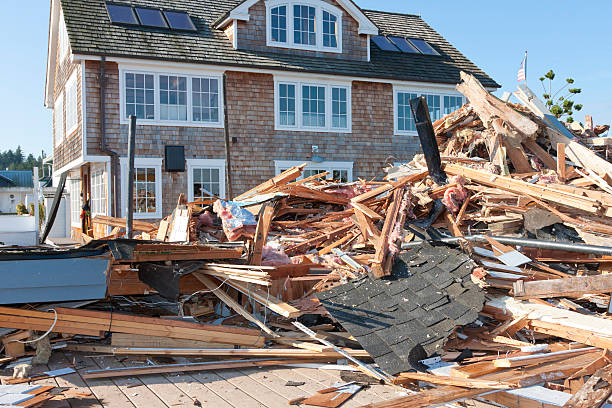
After sorting and collecting debris, safe transportation is critical to prevent injuries and environmental damage. Using proper lifting techniques, securing loads in containers, and avoiding overloading trucks reduces the risk of accidents during transport. Hazardous materials must be clearly labeled and handled according to regulations to prevent contamination or exposure. Choosing appropriate disposal facilities or recycling centers ensures that waste is managed responsibly, keeping both workers and the surrounding community safe.
Proper planning of transportation routes also minimizes exposure to public areas, reducing the chance of accidents or debris falling in transit. Loading equipment such as forklifts or dollies can assist in moving heavy items safely, while team members coordinate to maintain balance and stability. By prioritizing careful handling, organized transport, and responsible disposal, demolition cleanup extends beyond the site itself, reflecting a commitment to safety, efficiency, and environmental stewardship throughout the entire process.
Post-Cleanup Site Inspection and Maintenance
Once debris has been removed, conducting a thorough post-cleanup inspection ensures that the site is safe and ready for future use. Checking for remaining hazards, such as sharp fragments, loose nails, or unstable surfaces, prevents post-demolition injuries. Cleaning equipment and properly storing unused tools maintains operational readiness for future projects. Documentation of cleanup processes can help verify compliance with safety and environmental regulations, providing reassurance that the site meets all necessary standards.
Ongoing maintenance after cleanup includes monitoring for erosion, drainage issues, or structural weaknesses that may arise. Installing signage or barriers around areas that are still unstable prevents accidental access. Ensuring that all recyclable or hazardous materials have been properly handled reinforces responsible environmental practices. Post-cleanup inspection and maintenance complete the demolition process, providing a secure, organized space while safeguarding both workers and the surrounding community from potential risks.
Implementing Eco-Friendly Practices in Demolition Cleanup
Incorporating environmentally conscious methods into demolition cleanup benefits both the planet and your project. Recycling metal, wood, and concrete reduces landfill waste while conserving natural resources. Properly disposing of hazardous materials ensures that toxic substances do not contaminate soil or water. Eco-friendly cleanup practices may include using water-efficient dust control methods, sourcing biodegradable cleaning agents, and donating reusable materials to local organizations, fostering a sustainable approach to demolition.
Sustainability also enhances the reputation of your cleanup operation, demonstrating responsibility and foresight. Careful planning of debris transport, sorting, and disposal minimizes environmental impact while maximizing efficiency. Educating cleanup teams on eco-friendly procedures ensures adherence to best practices and encourages innovation in waste management. By combining safety, efficiency, and sustainability, demolition cleanup can achieve professional excellence while reducing harm to the environment and creating a positive, responsible example for the industry.
Conclusion
Handling demolition cleanup safely requires careful planning, awareness, and the proper equipment. By preparing the site, sorting debris, managing hazards, controlling dust, maintaining clear team communication, and adopting eco-friendly practices, cleanup operations can be carried out efficiently without compromising worker safety or environmental responsibility. Each step, from initial preparation to post-cleanup inspection, ensures a secure, organized, and sustainable site.
For those seeking professional assistance, Clifford’s Junk Removal offers reliable demolition cleanup services in Roseville, CA. Their team provides comprehensive solutions for projects of all sizes, helping you manage debris safely and efficiently. You can contact them by phone at 916-232-3588 to discuss your cleanup needs and schedule services.