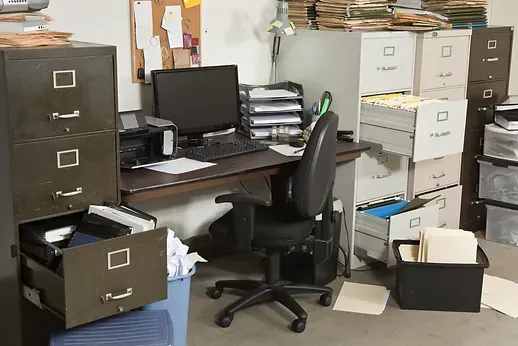
Managing office cleanouts can feel like navigating a labyrinth, but with careful planning, disruption can be kept to a minimum. The first step is to assess the workspace and identify areas that require the most attention. From outdated furniture to stacks of unused paperwork, knowing what must go makes the process faster and more organized. Prioritizing items according to necessity ensures that daily operations remain uninterrupted. Employees can continue their work with minimal interference when designated areas are tackled systematically. Creating a clear plan also helps in estimating timeframes, determining team involvement, and selecting tools or services needed for the cleanout.
Partnering with a professional junk removal service elevates efficiency by providing experience and equipment tailored for office environments. Instead of staff handling heavy lifting or sorting through obsolete materials, experts manage these tasks while maintaining safety standards. This approach reduces stress on employees and decreases the risk of workplace accidents. Additionally, incorporating recycling strategies during cleanouts minimizes environmental impact while disposing of electronics and furniture responsibly. Office managers can focus on maintaining productivity as the professional team handles logistics, transportation, and proper disposal. Ultimately, streamlined office cleanouts create a more organized workspace while preserving morale and operational flow.
Organizing Office Spaces Without Interrupting Workflows
Decluttering an office requires more than just removing old items; it demands a structured strategy that keeps workflows intact. Begin by segmenting the office into zones and tackling them individually, ensuring that operations in other areas continue uninterrupted. A detailed checklist can help employees identify items for removal, donation, or recycling. Clear labeling of materials to be discarded prevents confusion and reduces the chance of essential items being misplaced. Additionally, scheduling cleanouts during off-peak hours or weekends can minimize the impact on productivity. This careful approach allows the office to remain functional while gradually transforming cluttered spaces into organized, visually appealing environments.
Engaging professional junk removal teams offers another layer of convenience, especially for larger office projects. Experts not only remove unwanted furniture, electronics, and paperwork efficiently but also maintain discretion to avoid distracting employees or visitors. Their experience in handling various office materials ensures that sensitive information is securely managed, and hazardous items are disposed of according to regulations. By relying on a dedicated team, office staff can focus on core responsibilities rather than spending valuable time sorting and transporting materials. As a result, office spaces can be rejuvenated quickly, leaving behind a safer, more efficient environment conducive to productivity.

Minimizing Disruption During Office Cleanouts
The key to successful office cleanouts lies in minimizing disruption while maximizing results. Start by communicating the plan clearly to all employees, explaining the schedule, expected tasks, and areas involved. Transparency reduces stress and prevents accidental interference with the cleanout process. Next, implement a phased approach, addressing one department or section at a time. This strategy avoids overwhelming staff and allows critical functions to continue uninterrupted. Equipping employees with temporary storage solutions, like bins or carts, can also streamline the sorting process and prevent clutter from spilling into active workspaces. Such careful planning creates a smooth transition from cluttered to organized.
Professional services play a crucial role in reducing interruptions during cleanouts. Trained teams arrive with the right equipment and expertise to remove bulky items quickly and safely, often completing tasks in hours rather than days. They understand office dynamics and can operate around schedules, ensuring that meetings, deadlines, and daily operations remain unaffected. Moreover, outsourcing these tasks to experts reduces physical strain on employees, minimizes liability risks, and guarantees proper disposal or recycling of materials. The combination of meticulous planning and professional assistance transforms the daunting prospect of office cleanouts into a manageable, stress-free project.
Efficient Strategies for Office Junk Removal
Effective office junk removal requires both foresight and strategy to prevent workflow disruption. Begin with a comprehensive inventory of the items to be removed, separating essentials from disposable materials. Categorizing objects into furniture, electronics, paper, and miscellaneous waste ensures smooth handling and reduces decision fatigue during the cleanout. Establish a timetable that aligns with office hours, avoiding critical periods such as client meetings or reporting deadlines. Incorporating employee input in the planning stage helps prioritize high-traffic areas that require minimal interference. This level of organization allows cleanouts to proceed quickly while the office continues functioning efficiently without noticeable interruptions.
Partnering with a professional junk removal company streamlines this process further. Experts bring specialized tools and techniques to manage large volumes of materials with minimal effort. They understand the importance of maintaining office aesthetics and employee morale while executing their work. By delegating physical labor and logistics, staff can focus on core tasks without distraction. Furthermore, trained teams ensure compliance with environmental regulations, particularly when disposing of electronics or sensitive documents. Implementing these strategies creates a seamless balance between cleaning and continuity, leaving a revitalized workspace that supports both efficiency and employee well-being.
Maintaining Productivity During Office Cleanouts
Preserving productivity during an office cleanout begins with careful planning and communication. Managers should outline the cleanout objectives, timelines, and responsibilities to staff well in advance. Providing designated spaces for temporary storage ensures that active work areas remain functional. Employing staggered schedules for departments allows ongoing projects to continue without major interruptions. Employees can continue their daily tasks while small-scale cleanouts occur in separate zones. Additionally, documenting items for disposal or donation reduces confusion and prevents accidental loss of important materials. This level of preparation guarantees that office cleanouts are structured, efficient, and respectful of ongoing work responsibilities.
Professional junk removal services enhance productivity by taking over the physically demanding aspects of the process. These teams arrive equipped to handle bulky furniture, outdated electronics, and accumulated trash without requiring staff intervention. Their expertise ensures that hazardous items are managed safely and recycled appropriately, reducing environmental impact. By outsourcing heavy lifting and disposal, employees remain focused on core business activities, preserving deadlines and project flow. This partnership between professional services and internal teams provides a dual benefit: a clutter-free office and uninterrupted productivity. Ultimately, the office emerges organized, safe, and conducive to both efficiency and employee satisfaction.
Creating a Minimal Disruption Plan for Office Cleanouts
Designing a minimal disruption plan for office cleanouts begins with assessing which areas are most heavily used. Mapping out high-traffic zones and identifying low-usage spaces allows managers to schedule cleanouts strategically, avoiding interference with daily operations. Communicating the plan clearly to employees ensures that everyone understands expectations and timelines. Providing temporary storage solutions, such as mobile bins, simplifies the sorting process and prevents clutter from spreading into active areas. Implementing a phased approach to removal ensures that each section is tackled efficiently, allowing normal work to continue uninterrupted while gradually reclaiming organized spaces for optimal functionality.
Scheduling Office Cleanouts Around Daily Operations
Scheduling office cleanouts effectively requires alignment with the natural rhythm of daily operations. Managers should identify periods of lower activity, such as early mornings, lunch breaks, or weekends, to perform the most disruptive tasks. Breaking the cleanout into phases ensures that ongoing work is not hindered while certain areas are addressed. Communicating the schedule to employees in advance reduces confusion and allows them to plan accordingly. Temporary storage solutions, such as carts and bins, help contain materials efficiently, minimizing the spread of clutter. Thoughtful scheduling balances productivity with cleanup, making the process less intrusive and more predictable for all staff members.
Utilizing professional junk removal services complements careful scheduling. Experienced teams understand office dynamics and can work efficiently around employees and visitors, removing furniture, electronics, and general waste with minimal interference. Their expertise in handling bulky or hazardous items ensures safety while streamlining the process. Delegating these responsibilities to professionals allows internal staff to focus on core business functions without distraction. The combination of careful scheduling and expert assistance produces a clean, functional office space that preserves workflow and morale. Employees benefit from an organized environment without experiencing interruptions in their daily routines.
Implementing a Phased Approach to Office Cleanouts
A phased approach to office cleanouts is critical for minimizing disruption and maintaining productivity. Dividing the office into sections allows teams to address one area at a time, reducing the chance of interference with ongoing operations. Employees can continue working in unaffected zones while cleanouts occur elsewhere. Categorizing items for disposal, donation, or recycling ensures clarity and speeds up the process. This methodical approach prevents clutter from spreading and ensures that each section receives focused attention. Additionally, communicating the phased schedule to staff sets clear expectations and reduces workplace stress, creating a smooth transition from cluttered to organized spaces.
Maximizing Efficiency During Office Cleanouts
Efficiency during office cleanouts begins with meticulous planning and prioritization. Creating a detailed inventory of items to remove, coupled with a clear timetable, ensures that tasks are completed systematically. Assigning responsibilities to staff for sorting or packing allows for shared accountability without overburdening anyone. Designating temporary storage areas and scheduling cleanouts in phases preserves normal office functions. By balancing preparation with flexibility, office managers can adapt to unexpected challenges while maintaining productivity. Attention to detail and proactive communication prevent unnecessary delays and create a smoother, more predictable cleanout process, minimizing both physical and operational disruption.
Bringing in professional junk removal services further boosts efficiency by handling labor-intensive tasks with expertise. Teams remove bulky furniture, electronics, and general debris swiftly, reducing strain on employees. Their knowledge of recycling and disposal protocols ensures responsible handling of waste materials. Outsourcing these duties allows staff to focus on core responsibilities while maintaining office operations. The combination of careful internal planning and external professional support results in a clean, organized environment that enhances workflow, safety, and overall office functionality. This approach transforms office cleanouts from a disruptive chore into a well-orchestrated, manageable project.
Turning Office Cleanouts Into Seamless Projects
Turning office cleanouts into seamless projects requires planning, communication, and execution in harmony. Identifying problem areas, categorizing items, and scheduling cleanouts in phases allows employees to maintain focus on core tasks. Clear instructions and temporary storage solutions streamline the process and prevent clutter from spreading. Integrating staff into the process by gathering input on priorities encourages cooperation and reduces stress. A well-organized cleanout plan ensures that the office remains operational, while systematic removal transforms chaotic areas into orderly, functional spaces. This approach fosters productivity and satisfaction, creating a refreshed environment conducive to efficient work.
Conclusion
Effective office cleanouts are entirely achievable with careful planning, phased execution, and the support of professional services. Minimizing disruption while maximizing efficiency relies on strategic scheduling, clear employee communication, and the use of temporary storage solutions. Partnering with experienced junk removal teams allows offices to reclaim organized, functional spaces without compromising productivity or safety. Professionals handle heavy lifting, logistics, and responsible disposal, enabling staff to focus on core responsibilities. This collaboration ensures that office cleanouts are not only manageable but also transformative, creating environments that promote efficiency and employee satisfaction.
For reliable office cleanout services, contact Clifford’s Junk Removal in Roseville, CA. Call 916-232-3588 to schedule service or get a consultation.