
Construction sites generate large volumes of debris, from broken concrete to discarded wood and metal scraps. Mishandling this waste can lead to environmental contamination, workplace injuries, and regulatory penalties. Each type of debris requires careful consideration to prevent hazardous exposure and ensure safe transport to disposal sites. Proper planning and the right disposal methods not only protect workers but also help businesses stay compliant with local ordinances and sustainability standards.
Using designated disposal services for construction debris allows companies to minimize risk while maximizing operational efficiency. Experts can sort materials, recycle whenever possible, and ensure that hazardous components such as asbestos or chemical residues are handled correctly. A systematic approach prevents costly mistakes and safeguards both the property and personnel.
Choosing the Right Disposal Service for Construction Projects
Selecting a reliable disposal service is essential for efficient construction site management. Many businesses underestimate the complexity of handling mixed debris, which can include heavy metals, concrete, wood, and electronic waste. Choosing a service provider experienced with commercial construction debris ensures adherence to local regulations and reduces the risk of environmental violations.
Professional debris removal teams provide structured pick-up schedules and tailored solutions based on the project’s scale. Their knowledge of recycling protocols, landfill restrictions, and hazardous waste handling helps companies avoid fines and delays. Leveraging expert services allows construction teams to focus on project execution without being burdened by the intricacies of debris management.
Segregating Debris to Streamline Disposal Efforts
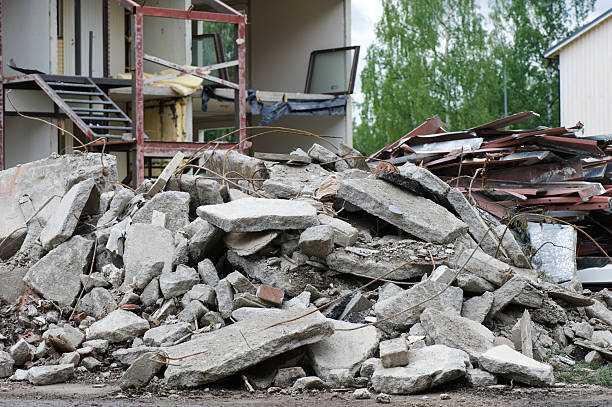
Effective disposal begins with proper segregation of construction materials. Separating metal, wood, concrete, and hazardous materials prevents contamination, simplifies recycling, and accelerates disposal operations. Without segregation, projects risk delays and increased costs as mixed debris can be difficult or even illegal to transport.
A clear system for sorting debris also improves safety on-site. Workers can handle materials using appropriate protective equipment, and recycling options become more viable. This organized approach ensures compliance with environmental laws, optimizes disposal costs, and promotes sustainable construction practices that benefit both businesses and surrounding communities.
Safely Handling Hazardous Materials from Construction Sites
Construction debris often includes hazardous items such as asbestos, lead paint, or chemicals from adhesives and sealants. Mishandling these substances can create severe health risks, environmental damage, and legal repercussions. Identifying and isolating hazardous materials early in the disposal process is critical.
Specialized removal teams are trained to safely manage these materials, employing protective equipment, containment procedures, and approved disposal methods. Proper documentation and compliance with federal and state regulations are essential for minimizing exposure risks. Safe handling practices protect workers, the public, and the environment, ensuring the project maintains high safety and compliance standards.
Recycling and Repurposing Construction Debris
Recycling and repurposing debris reduces landfill waste and can even create cost-saving opportunities. Materials such as metals, wood, concrete, and certain plastics can often be recycled into new construction products or sold to specialty recycling centers. This approach supports sustainable construction practices and aligns with increasing regulatory emphasis on waste diversion.
By working with a disposal service experienced in recycling, construction businesses can efficiently sort and channel materials to appropriate facilities. This not only reduces environmental impact but also enhances the project’s public perception. Prioritizing recycling demonstrates a company’s commitment to sustainability while maintaining streamlined, compliant operations throughout the construction lifecycle.
Planning Disposal Around Project Timelines
Construction projects operate on strict schedules, and debris disposal must be integrated seamlessly to avoid delays. Coordinating disposal activities with construction milestones ensures that debris removal does not interfere with ongoing work, deliveries, or inspections.
Establishing a clear disposal plan with professionals allows for scheduled pickups and contingency planning in case of unexpected debris accumulation. Timely disposal prevents cluttered workspaces, reduces safety hazards, and supports uninterrupted project progress. Businesses that incorporate debris management into their project timelines maintain operational efficiency and minimize the risk of costly interruptions.
Reducing Liability Through Professional Debris Removal
Improper disposal of construction debris carries significant risks for businesses, ranging from financial penalties and legal liabilities to workplace accidents and environmental damage claims. Construction sites produce a variety of materials, including concrete, metals, wood, plastics, and hazardous substances, each of which requires careful handling. Mishandling or improper disposal can result in contamination, injury, or regulatory violations, exposing companies to costly fines and potential lawsuits. To mitigate these risks, engaging professional debris removal services is essential. These experts bring knowledge of local, state, and federal regulations and ensure that all waste materials are disposed of in compliance with environmental and safety standards.
Professional services provide structured and documented removal processes that protect businesses from legal exposure. They offer trained personnel, appropriate equipment, and insurance coverage for debris handling, which reduces liability in the event of accidents or damage during disposal. By outsourcing these tasks, construction teams can focus on their core responsibilities without being burdened by the complexities of debris management. Additionally, documented compliance and safe handling protocols create transparency and accountability, making it easier to demonstrate adherence to regulations during inspections or audits. Ultimately, professional debris removal reduces the overall risk profile of construction projects, creating a safer, more efficient, and legally compliant work environment while protecting both workers and the surrounding community from potential hazards.
Leveraging Technology for Efficient Debris Management
In modern construction projects, technology has become an integral part of debris management, transforming what was once a cumbersome logistical task into a streamlined, efficient process. Construction sites generate massive amounts of debris that need to be tracked, categorized, and removed efficiently to prevent delays, reduce costs, and ensure regulatory compliance. Advanced tools such as GPS tracking, scheduling software, and inventory management systems allow companies to monitor debris volumes in real time, coordinate pickups, and optimize transportation routes. This level of oversight improves operational transparency and ensures that managers can make data-driven decisions regarding debris disposal.
Technology also enhances compliance and reporting by documenting the type, weight, and destination of debris materials. Automated systems record each step of the disposal process, creating a paper trail that supports regulatory inspections and sustainability reporting. Construction teams benefit from reduced operational costs due to optimized routing, fewer redundant trips, and better coordination with disposal services. Additionally, technology supports planning for future projects by providing insights into material waste trends, helping companies implement preventive strategies and recycling initiatives. When combined with professional debris removal services, technology transforms the management of construction waste from a complex, time-consuming challenge into a reliable, systematic process that improves safety, efficiency, and environmental responsibility across every stage of a project.
Minimizing Environmental Impact Through Responsible Practices
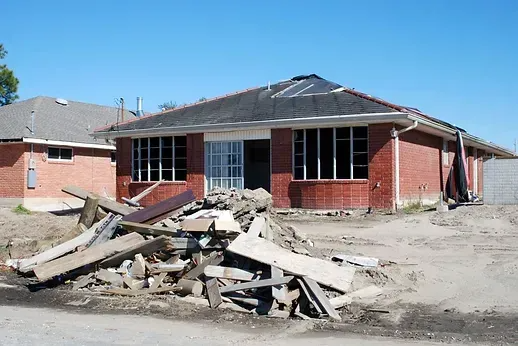
Construction debris, if mishandled, can pose serious environmental risks, including soil contamination, water pollution, and excessive landfill use. Materials such as treated wood, concrete, metals, plastics, and chemical residues can disrupt local ecosystems and contribute to long-term environmental degradation if not disposed of responsibly. Businesses have a responsibility to adopt proper disposal methods that minimize ecological impact while maintaining compliance with environmental regulations. Implementing sustainable practices not only preserves natural resources but also enhances a company’s reputation and operational efficiency by promoting responsible, eco-conscious construction practices.
Professional debris removal services play a critical role in reducing environmental impact by sorting and managing materials for recycling or repurposing. Metals, concrete, and wood can often be redirected to manufacturing or construction supply chains, while hazardous materials are safely isolated and treated according to strict regulatory standards. Companies that prioritize environmental stewardship benefit from improved relationships with local communities and regulatory authorities while fostering sustainable operations. Integrating these practices into construction projects demonstrates a commitment to corporate social responsibility and long-term ecological preservation. Moreover, adopting environmentally responsible debris management strategies can create operational advantages, including reduced disposal costs, streamlined workflows, and safer, cleaner work sites, contributing to both immediate project success and sustainable growth for the business over time.
Preparing Sites for Safe Post-Construction Operations
Once debris has been removed from a construction site, proper post-construction preparation is essential to ensure safety, efficiency, and compliance with regulations. Debris left behind can create hazards such as sharp objects, chemical residues, or unstable materials, which may pose risks to workers, visitors, or tenants. Thorough inspection and cleanup following debris removal allow construction teams to identify hidden dangers and ensure that the property is ready for subsequent construction phases, handovers, or occupancy. A well-prepared site minimizes the likelihood of accidents and improves overall operational efficiency.
Professional debris removal services not only remove visible waste but also implement detailed post-construction checks to address any lingering hazards. They organize the workspace, ensuring that materials are properly sorted, equipment is safely stored, and all areas are free from obstacles. This careful preparation reduces potential liability while facilitating smoother transitions between project phases. Additionally, post-construction site readiness supports regulatory compliance by confirming that hazardous materials have been managed appropriately and that environmental safety standards are met. Ultimately, sites that are properly cleaned and prepared after debris removal enhance productivity, protect workers, and uphold the integrity of the construction project, creating a safe and organized environment ready for the next stage of development or commercial use.
Conclusion
Proper disposal of commercial construction debris is crucial for maintaining safety on work sites, complying with regulations, and protecting the environment. Construction projects generate significant waste, including concrete, wood, metal, plastics, and hazardous materials such as asbestos or chemical residues. Mishandling these materials can create safety hazards, legal liabilities, and environmental harm.
Integrating professional debris removal services into operations helps businesses manage waste efficiently, reduce risks, and implement sustainable disposal practices. Experts guide the sorting of materials, safe handling of hazardous waste, and identification of recycling or repurposing opportunities, helping divert debris from landfills. Timely and organized removal also keeps sites clear, reducing delays and accidents while improving project efficiency.
Clifford’s Junk Removal offers comprehensive commercial construction debris solutions tailored to businesses of all sizes. By prioritizing professional debris management, companies protect their workers and the environment while enhancing their reputation for responsibility. Clifford’s Junk Removal, located in Roseville, CA, can be reached at 916-232-3588.