Managing office junk is an ongoing challenge for businesses that aim to maintain a clean, productive, and professional workspace. From outdated office furniture and unused electronics to piles of old documents and packaging materials, clutter can easily accumulate in commercial environments. A cluttered space not only affects the appearance of an office but also impacts employee productivity, safety, and morale. To handle this efficiently, many businesses rely on Commercial Junk Removal services that specialize in clearing and disposing of unwanted materials responsibly. Whether you’re relocating, renovating, or simply decluttering, proper junk management is essential for maintaining order and ensuring compliance with disposal regulations. Understanding how to manage office junk effectively helps businesses save time, reduce costs, and create a more functional and organized workspace.
Identifying Common Types of Office Junk
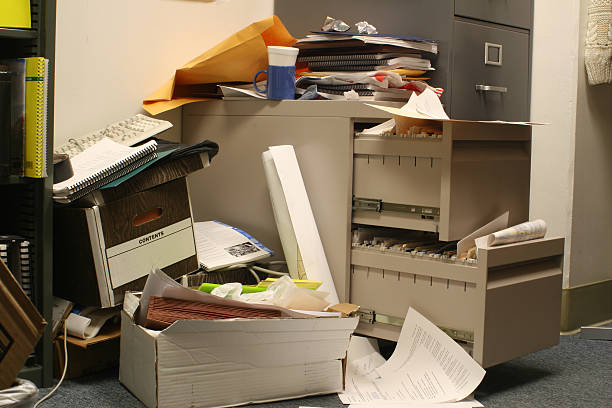
Every office generates a variety of waste, and understanding what qualifies as junk is the first step toward proper disposal. Common types of office junk include broken furniture, outdated computers, old files, office equipment, and packaging materials. Items like chairs, desks, and filing cabinets can take up valuable space when left unused, while obsolete electronics can become safety hazards if not handled properly. Businesses must assess which items can be repaired, recycled, or need to be discarded entirely.
Unlike residential clutter, office junk often contains sensitive materials such as paperwork or hard drives that require secure disposal. Partnering with Commercial Junk Removal experts ensures these items are handled responsibly and confidentially. By identifying common waste sources early, offices can develop efficient disposal plans and avoid unnecessary clutter buildup. Regular audits and employee participation in identifying unused items also help maintain a neat and organized environment.
Creating a Junk Management Plan
A structured junk management plan is essential for businesses that want to maintain cleanliness and organization. The plan should outline what items are considered junk, how often junk should be removed, and who is responsible for the process. Without a proper system, unwanted items can pile up quickly and disrupt workflow. Unlike residential spaces, offices generate larger quantities of waste that may include electronics, paper waste, and furniture. Collaborating with Commercial Junk Removal professionals allows businesses to set regular pickup schedules and follow safe disposal practices. The plan should also include recycling guidelines, storage protocols, and methods for handling hazardous or confidential materials. By creating a clear junk management plan, businesses can reduce waste-related stress, improve productivity, and foster a culture of responsibility. When everyone understands their role, the workplace stays cleaner, more efficient, and compliant with environmental regulations.
Organizing Storage Areas
Storage areas often become the most cluttered parts of an office. Old files, unused chairs, or obsolete equipment tend to pile up in corners and closets, taking up space that could be used more efficiently. Organizing storage spaces involves categorizing items, labeling shelves, and setting up designated sections for reusable and disposable materials. A well-organized storage area not only prevents junk accumulation but also makes it easier to locate essential supplies. Unlike residential cleanup, offices may need to manage larger volumes of materials that require careful sorting. Hiring Commercial Junk Removal experts can help clear out unnecessary items while providing advice on optimizing storage space. Businesses should also establish a routine for reviewing storage contents to ensure outdated items are regularly removed. Maintaining an orderly storage system saves time, reduces safety hazards, and enhances the professional image of the company.
Promoting Recycling and Reuse
Recycling and reuse play a crucial role in managing office junk responsibly. Many materials commonly found in offices—such as paper, plastic, electronics, and metal—can be recycled rather than discarded. Encouraging employees to reuse office supplies and furniture helps minimize waste production and supports sustainability efforts. Unlike home waste, office junk often includes bulk items that can be refurbished or donated to charitable organizations. Partnering with Commercial Junk Removal services that prioritize recycling ensures materials are processed in an eco-friendly way. Companies can place labeled recycling bins throughout the workspace to make participation easy for employees. By promoting recycling and reuse, businesses not only contribute to environmental preservation but also save on disposal costs. Sustainable waste practices reflect positively on a company’s brand and demonstrate its commitment to corporate responsibility.
Scheduling Regular Junk Removal
A consistent junk removal schedule is one of the most effective ways to prevent clutter accumulation in office spaces. Without routine cleanouts, junk can pile up and create disorganized, unsafe environments. Setting monthly or quarterly pickups ensures waste is handled efficiently and the office remains neat. Unlike residential junk removal, commercial cleanups may require larger trucks and specialized handling for electronics or bulky furniture. Working with a trusted Commercial Junk Removal company allows businesses to customize their schedule based on operational needs. Regular pickups reduce stress on employees, prevent potential health hazards, and maintain a professional atmosphere. Establishing this consistency also allows for smoother operations during office relocations or renovations. Over time, a structured junk removal schedule contributes to a cleaner workspace, higher employee satisfaction, and improved business efficiency.
Handling Electronic Waste Responsibly
Electronic waste, or e-waste, is one of the most challenging types of office junk to manage. Computers, monitors, printers, and cables often become obsolete quickly, but they contain materials that can be harmful to the environment if not disposed of correctly. Unlike general waste, e-waste cannot simply be thrown away—it must be processed by certified facilities. Partnering with Commercial Junk Removal specialists ensures that electronics are collected, sorted, and recycled according to environmental standards. These experts can also handle data destruction securely to protect sensitive information. Offices should designate a specific area for collecting outdated electronics and schedule regular pickups for e-waste disposal. Responsible handling of e-waste not only prevents pollution but also allows valuable components to be reused. By making e-waste management a priority, businesses uphold environmental responsibility and safeguard their reputation for sustainability.
Ensuring Employee Participation
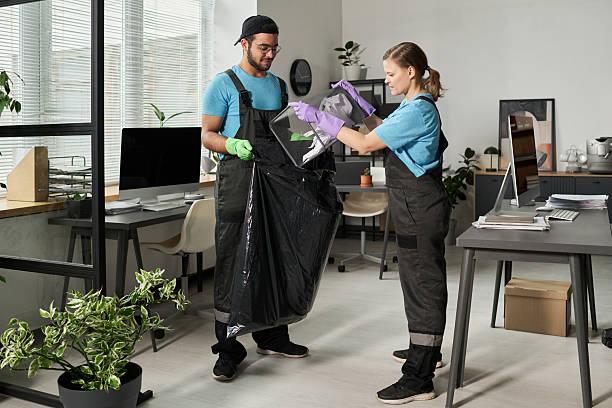
A successful junk management system depends on employee participation. Every team member should be aware of proper disposal practices and understand how their actions impact the cleanliness of the office. Encouraging staff involvement through regular communication, signage, and training ensures consistency. Unlike residential cleanouts, commercial spaces rely on teamwork to maintain organization across departments. Managers can assign responsibilities such as monitoring recycling bins or identifying items for removal. Partnering with a Commercial Junk Removal service helps reinforce this structure by providing scheduled cleanouts and educational resources. Employee participation also fosters accountability, as everyone contributes to maintaining a tidy environment. When employees take pride in a clean workspace, it boosts morale and productivity. A collaborative approach to junk management ensures that the office remains organized, efficient, and environmentally conscious throughout the year.
Maintaining Safety During Junk Removal
Safety should always be a top priority when managing office junk. Improper handling of heavy furniture, broken equipment, or sharp materials can lead to workplace injuries. Unlike home environments, offices often have tight spaces and multiple employees working simultaneously, increasing the risk of accidents during cleanup. To minimize hazards, businesses should rely on Commercial Junk Removal professionals trained in safe lifting, disposal, and transport practices. These experts use specialized equipment to handle bulky or hazardous materials safely. It’s also important for employees to wear appropriate protective gear and avoid moving large items without assistance. Conducting safety briefings before major cleanouts can help prevent accidents. A safe junk removal process not only protects staff but also demonstrates the company’s commitment to maintaining a responsible and secure workplace environment.
Reducing Office Waste Generation
Preventing waste before it starts is one of the best ways to keep an office organized. Businesses can reduce junk generation by adopting paperless systems, using refillable supplies, and purchasing durable office furniture. Evaluating procurement practices also helps eliminate unnecessary purchases that contribute to clutter. Unlike residential settings, offices can generate large amounts of waste from packaging, outdated technology, and promotional materials. Partnering with Commercial Junk Removal companies allows businesses to implement waste-reduction strategies that align with sustainability goals. Encouraging employees to use digital storage instead of printing documents and reusing packaging materials further supports these efforts. Over time, reducing waste at the source lowers disposal costs, improves efficiency, and creates a cleaner, more organized workplace. This proactive approach not only benefits the business financially but also enhances its reputation for environmental responsibility.
Choosing the Right Junk Removal Partner
Selecting the right partner for junk removal can make a significant difference in maintaining a clean and efficient office environment. Businesses should look for Commercial Junk Removal companies with experience, proper licensing, and a strong commitment to environmental responsibility. A reliable partner provides flexible scheduling, transparent pricing, and responsible disposal practices. Unlike residential junk removal, commercial projects may involve complex logistics that require coordination with building management or compliance with local regulations. Professional removal companies handle these details efficiently, ensuring minimal disruption to daily operations. Before hiring a service, businesses should verify credentials and inquire about recycling or donation options. A trustworthy junk removal partner not only helps maintain cleanliness but also becomes a long-term ally in sustainability. By choosing the right team, businesses can focus on productivity while leaving junk management in expert hands.
Conclusion
Managing office junk is an ongoing responsibility that impacts workplace safety, efficiency, and appearance. Implementing strategies such as recycling, employee participation, regular cleanouts, and responsible e-waste handling ensures a clutter-free environment that supports productivity. Businesses that prioritize junk management demonstrate professionalism and commitment to sustainability. For companies in Roseville looking for dependable, eco-conscious services, Clifford’s Junk Removal is your trusted partner. We specialize in Commercial Junk Removal, offering efficient, affordable, and environmentally responsible disposal solutions. Whether it’s office furniture, electronics, or general clutter, our team is ready to help you maintain a clean workspace. Contact Clifford’s Junk Removal today at 19162323588 to schedule your next service and experience stress-free junk removal tailored to your business needs.