A warehouse cleanout can be a major task for any business, especially when dealing with years of accumulated materials, equipment, or inventory. It’s a process that requires organization, time, and professional assistance to ensure everything is handled safely and efficiently. Whether you’re relocating, upgrading, or simply trying to reclaim space, knowing what to expect can make the process smoother. Many businesses turn to Commercial Junk Removal specialists to manage the heavy lifting, sorting, and disposal of unwanted items. These professionals handle everything from outdated machinery and scrap metal to office furniture and packaging materials. By understanding the process of a warehouse cleanout, business owners can plan ahead, minimize downtime, and ensure compliance with disposal regulations—all while creating a safer, more productive workspace.
Assessing the Warehouse Space
Before beginning any warehouse cleanout, it’s essential to conduct a thorough assessment of the entire space. This evaluation helps determine the amount and type of materials that need to be removed. In many cases, years of storage can lead to forgotten inventory, obsolete equipment, or damaged materials that take up valuable space. A proper assessment identifies hazardous items, recyclable materials, and reusable goods. Partnering with a Commercial Junk Removal company ensures that professionals can evaluate your space efficiently and recommend the best disposal strategy. The team will inspect areas such as storage racks, offices, and loading docks to determine what needs clearing. A detailed assessment also helps plan manpower, equipment, and the time required for the cleanout. This initial step lays the groundwork for an organized, efficient process that reduces stress and maximizes productivity during the cleanout operation.
Sorting and Categorizing Items
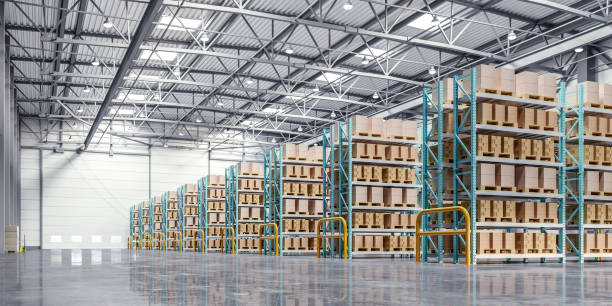
Once the warehouse has been assessed, the next step is sorting and categorizing everything inside. This stage can be time-consuming but is crucial for ensuring a smooth cleanout. Items should be grouped into categories such as keep, donate, recycle, and discard. Professionals offering Commercial Junk Removal services excel at sorting large volumes of materials quickly and safely. Sorting also helps identify which items can be resold or repurposed, allowing businesses to recover some costs. Recyclable items, such as metals, cardboard, and plastics, are separated to minimize landfill waste. This organized approach ensures that nothing of value is accidentally discarded and that hazardous materials are handled properly. Proper categorization also streamlines the disposal process, ensuring that every item goes to the correct destination, whether it’s a recycling center, donation facility, or disposal site.
Planning the Cleanout Schedule
After sorting, creating a structured cleanout schedule is the next essential step. A warehouse cleanout can disrupt operations, so careful planning ensures minimal downtime. The schedule should consider peak business hours, loading dock availability, and staff availability. Working with a Commercial Junk Removal service helps streamline this process since professionals are experienced in handling large-scale projects efficiently. The plan should outline which sections will be cleaned first and establish a timeline for completion. Staggering the process allows employees to continue their regular tasks while the cleanout progresses smoothly. Additionally, safety checks should be incorporated into the schedule to prevent accidents. Clear communication between management and the junk removal team guarantees that every stage runs on time. An organized schedule helps businesses stay productive during the cleanout while ensuring that every area of the warehouse is addressed systematically.
Removing Large Equipment and Machinery
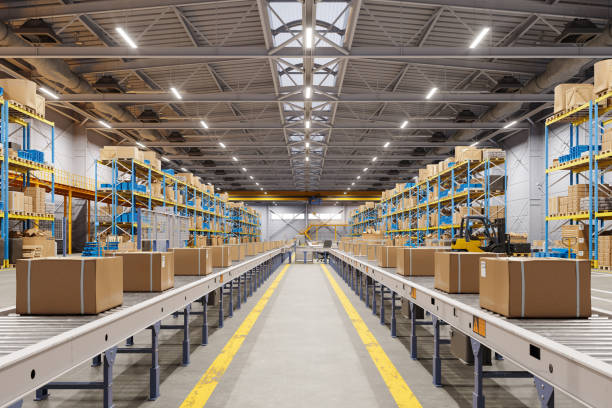
Warehouses often contain bulky machinery, shelving, and equipment that require specialized handling. Removing these large items safely is one of the most challenging aspects of a cleanout. Professional Commercial Junk Removal teams are trained to handle industrial-sized items using proper lifting techniques and equipment. They ensure that heavy materials are dismantled or disconnected safely to prevent injury or property damage. Machinery such as forklifts, conveyor belts, or industrial racks may need to be disassembled before removal. A professional team will also handle the transportation of these items to appropriate recycling or disposal centers. Safety is a priority during this stage, and experienced crews follow strict protocols to ensure smooth execution. By trusting experts to manage large equipment removal, business owners can focus on preparing their facility for its next phase without worrying about logistics or compliance.
Handling Hazardous or Restricted Materials
Many warehouses store materials that require special handling, such as paints, chemicals, or batteries. These substances can’t be disposed of in standard waste systems due to environmental and safety regulations. Commercial Junk Removal professionals are equipped to identify, contain, and remove hazardous materials properly. They understand the local disposal laws and ensure that these substances are transported to approved facilities. Proper labeling and containment during removal are crucial to prevent spills or contamination. Handling hazardous materials safely also protects employees and prevents costly regulatory fines. By working with certified disposal experts, businesses can rest assured that all materials are managed responsibly. This approach not only ensures compliance but also supports a company’s environmental commitments. Safe handling of restricted materials is an important part of maintaining a responsible and sustainable operation.
Recycling and Donation Processes
A significant portion of warehouse waste can often be recycled or donated instead of going to landfills. Items such as metal shelving, pallets, cardboard, and electronic components can be processed for reuse. Many Commercial Junk Removal companies have established relationships with recycling centers and donation organizations, ensuring materials find new life wherever possible. Recycling reduces waste, conserves resources, and supports environmental sustainability. Donation programs allow businesses to give usable items—like furniture or supplies—to charities, schools, or non-profits. This practice not only clears space but also supports community initiatives. Professional junk removal teams sort recyclable and donatable items separately, ensuring proper handling. The goal is to minimize environmental impact while maximizing value from what might otherwise be discarded. By integrating recycling and donation into the cleanout process, businesses can demonstrate environmental responsibility and community engagement.
Transporting and Disposing of Waste
Transporting and disposing of waste is one of the most labor-intensive stages of a warehouse cleanout. Depending on the size of the facility, it may involve multiple truckloads of materials. Commercial Junk Removal specialists use the right vehicles and equipment to handle heavy loads safely. They ensure that waste is transported to appropriate recycling centers, landfills, or donation sites based on its classification. All disposal is performed in compliance with local regulations to prevent environmental harm. By outsourcing this task, businesses eliminate the need for employees to manage risky lifting or transportation work. Professional crews take care of everything from loading to final disposal, saving time and effort. This ensures that waste is removed efficiently and that the warehouse is left clean and ready for its next use. Proper waste transportation also demonstrates commitment to environmental stewardship and operational safety.
Deep Cleaning and Final Inspection
After the major debris and waste have been removed, the next step is deep cleaning. Dust, dirt, and residue can accumulate in corners, storage racks, and floors over time. Deep cleaning restores the warehouse to a safe, functional condition. Professional Commercial Junk Removal services often include sweeping, power washing, and sanitizing the space after waste removal. This step prepares the facility for new operations, renovations, or a change in ownership. Once the cleaning is complete, a final inspection ensures that no waste or hazardous material remains. Inspections also verify that the warehouse meets health and safety standards. A clean and organized facility enhances workflow, reduces risks, and creates a positive impression for future use. Completing this step signifies the official end of the cleanout process, leaving the business ready to move forward efficiently.
Evaluating Cleanout Results
Evaluating the results of a warehouse cleanout helps measure success and identify areas for improvement. Business owners should review the process, from assessment to final inspection, to ensure goals were achieved. This evaluation can include tracking how much waste was recycled, how much time the cleanout took, and whether the project stayed within budget. Commercial Junk Removal companies often provide documentation or reports detailing the volume and type of waste processed. This transparency helps businesses maintain compliance and demonstrate environmental responsibility. Reviewing the cleanout also helps plan for future waste management strategies, reducing clutter buildup over time. Conducting a final walkthrough ensures that the warehouse meets operational standards and is ready for use. A well-executed evaluation promotes accountability and provides valuable insights for improving future cleanouts and ongoing maintenance.
Maintaining an Organized Warehouse After Cleanout
Once the cleanout is complete, maintaining an organized warehouse is key to long-term efficiency. Regular maintenance prevents clutter from returning and ensures the space remains functional. Businesses should establish a routine for waste disposal, recycling, and periodic inspections. Partnering with a Commercial Junk Removal company for ongoing services helps maintain order and compliance. Implementing clear labeling systems, storage zones, and disposal schedules can significantly improve workflow. Encouraging staff to follow organization policies ensures everyone contributes to a cleaner, safer workspace. A well-maintained warehouse enhances productivity, reduces safety hazards, and makes future cleanouts easier. Consistent organization not only protects the investment made during the cleanout but also sets a positive example of responsibility and professionalism. Maintaining a clutter-free environment ensures long-term operational success and supports a sustainable business model.
Conclusion
A warehouse cleanout can seem overwhelming, but with the right plan and professional help, the process becomes smooth and efficient. Partnering with a trusted Commercial Junk Removal company ensures every step—from assessment to disposal—is handled safely and responsibly. Clifford’s Junk Removal specializes in large-scale cleanouts, helping businesses reclaim valuable space and maintain compliance with environmental regulations. Our experienced team in Roseville is dedicated to providing reliable, timely, and affordable junk removal services tailored to your needs. Whether you’re relocating or simply clearing old inventory, we’re here to help. Contact Clifford’s Junk Removal today at 19162323588 to schedule your warehouse cleanout and experience a cleaner, safer, and more productive workspace.