Renovating a commercial space can breathe new life into your business, but it also creates a significant amount of debris, discarded materials, and unwanted furniture. Managing all this clutter can quickly become overwhelming without a solid plan in place. That’s where proper commercial junk removal comes in. Efficient waste management ensures that your renovation project stays organized, safe, and on schedule. Whether you’re updating office interiors, remodeling a retail space, or overhauling an industrial facility, dealing with the waste generated during renovations requires coordination and expertise. By understanding how to manage junk removal efficiently, businesses can prevent safety hazards, maintain productivity, and keep their work environment clean. With the right approach, commercial junk removal not only simplifies cleanup but also promotes sustainability through recycling and responsible disposal.
Understanding the Scope of Commercial Junk Removal
Every renovation project generates different types of waste, so understanding the full scope of commercial junk removal is the first step toward managing it effectively. Commercial projects often involve large-scale materials such as drywall, metal scraps, wood, furniture, and old fixtures that require proper disposal. Unlike residential cleanup, commercial junk often needs specialized handling and transportation. Businesses should begin by assessing how much junk will be produced during the renovation, identifying recyclable materials, and determining which items may need hazardous waste disposal. This assessment helps plan logistics and avoid last-minute chaos. Partnering with a professional junk removal company ensures the waste is collected safely and disposed of according to local regulations. It also helps maintain workflow efficiency, as professionals can handle heavy or bulky materials without disrupting ongoing operations. Understanding the size, type, and frequency of waste production gives your business the control needed to keep the renovation site organized, compliant, and environmentally responsible.
Planning Waste Management Before Renovations Begin
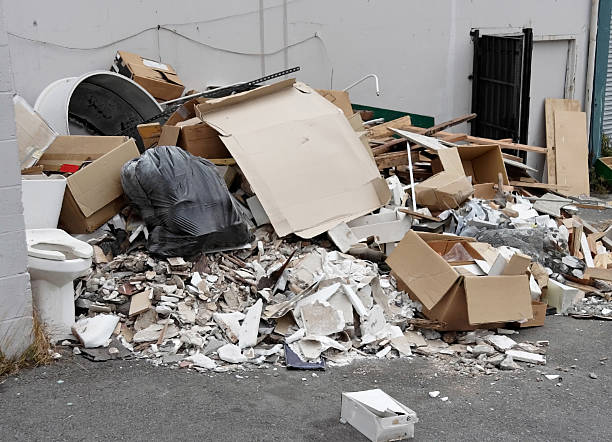
Planning ahead is essential for smooth commercial junk removal during renovations. Before the project starts, outline a waste management strategy detailing what materials will be removed, where dumpsters or collection points will be placed, and how frequently pickups will occur. Without this structure, debris can pile up quickly, making the workspace unsafe and slowing construction progress. Businesses should coordinate with their contractors and junk removal partners to ensure clear communication about timelines and disposal needs. Setting up recycling stations for reusable materials can help reduce overall waste. Planning also allows you to estimate costs and allocate the right budget for junk removal services. When a solid waste management plan is in place, businesses avoid unnecessary delays, improve efficiency, and ensure all waste is handled responsibly from the very beginning of the renovation process. This proactive approach minimizes stress and keeps your renovation running smoothly from start to finish.
Choosing the Right Junk Removal Service
Selecting the right commercial junk removal company can make or break your renovation project. A reliable provider will not only remove waste efficiently but also understand how to handle specific materials according to local disposal laws. Businesses should look for companies with proper licenses, insurance, and a proven track record in commercial projects. Since renovations can produce large or hazardous waste, it’s important to choose a provider with the right equipment and vehicles to handle bulk pickups. Flexibility is also key; a good company should accommodate your project schedule and offer same-day or scheduled pickups as needed. Reading reviews or requesting references from previous commercial clients can help ensure you partner with professionals who deliver dependable results. The best junk removal companies also prioritize eco-friendly disposal, recycling whenever possible to reduce landfill waste. Choosing a trustworthy provider means peace of mind, ensuring your renovation cleanup stays timely, safe, and environmentally sound.
Separating Recyclable and Non-Recyclable Materials
Renovations often create a mix of materials—some recyclable, some not. Properly sorting these items is a crucial part of commercial junk removal. Materials like metal, wood, cardboard, glass, and certain plastics can often be recycled or repurposed. Separating them early prevents contamination and makes recycling easier. Businesses should set up labeled bins or designated collection zones to streamline the process. Non-recyclable items, such as insulation, old carpeting, or certain types of treated wood, should be clearly identified to ensure proper disposal. Separating waste not only promotes environmental responsibility but can also save money since recycling centers often charge less than landfills. Many professional junk removal services assist in sorting and transporting materials to the appropriate facilities, reducing the workload for your renovation team. By prioritizing separation, businesses contribute to sustainability while maintaining a cleaner, more efficient renovation environment that aligns with eco-conscious business practices.
Scheduling Timely Pickups Throughout the Project
One of the most overlooked aspects of commercial junk removal is scheduling consistent waste pickups during the renovation. Debris can build up quickly, especially in high-traffic commercial areas, making the workspace cluttered and potentially dangerous. Establishing a regular pickup schedule prevents waste from accumulating and ensures workers can move freely and safely. Professional junk removal companies often offer flexible pickup options to fit project timelines, whether you need daily, weekly, or milestone-based removal. Scheduling pickups in advance also helps prevent costly downtime caused by overflowing dumpsters or blocked work areas. Keeping a routine ensures that waste management stays on track and aligns with construction progress. Regular pickups also allow the removal team to monitor the site and suggest adjustments if waste output changes throughout the project. Consistency is key—by staying proactive, businesses can maintain a tidy workspace and keep renovation operations running smoothly from start to finish.
Maintaining a Safe and Clean Work Environment
Renovations can quickly turn chaotic without proper commercial junk removal practices in place. Construction materials, tools, and debris can create hazards if left scattered across the site. Maintaining a clean environment is not only about appearance—it’s about protecting employees, contractors, and clients from potential accidents. Keeping walkways clear and disposing of waste promptly prevents slips, falls, and other injuries. Safety regulations also require commercial spaces to manage waste responsibly during renovations to avoid fines or shutdowns. Working with professional junk removal experts ensures that waste is cleared efficiently, using the right equipment and safety protocols. Regular site cleanups boost productivity, as workers can operate in an organized space without interference. A clean workspace also leaves a positive impression on visitors or inspectors who may visit during renovations. Prioritizing cleanliness and safety throughout the project demonstrates professionalism and care, reflecting well on your business’s reputation.
Handling Hazardous or Specialty Materials
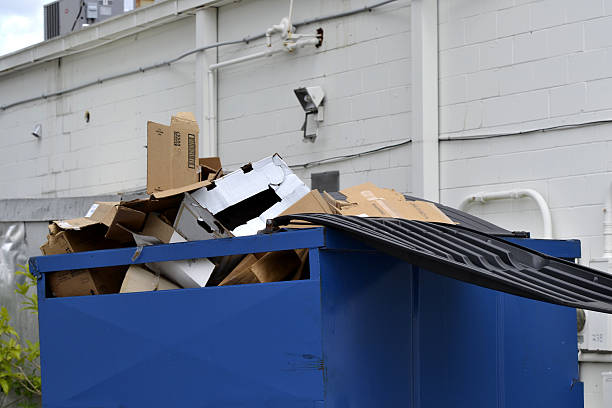
Some renovation projects produce hazardous materials that require special handling. Items such as paint, solvents, old wiring, fluorescent bulbs, and certain construction materials fall into this category. Properly managing these items is essential for compliance and safety. Professional commercial junk removal services have the expertise and equipment to handle hazardous materials according to environmental regulations. These materials can’t be mixed with general waste or disposed of in standard dumpsters. Businesses should identify and label hazardous items early in the renovation process to prevent contamination. Partnering with certified disposal services ensures these materials are transported safely to approved facilities. Mishandling hazardous waste can lead to environmental harm, health risks, and legal consequences. By delegating this responsibility to trained professionals, businesses ensure safety, regulatory compliance, and environmental protection while keeping renovation progress uninterrupted.
Coordinating with Contractors and Staff
Successful commercial junk removal during renovations requires teamwork. Contractors, staff, and junk removal professionals should all be on the same page regarding waste disposal protocols. Clear communication helps ensure everyone knows where disposal zones are located, which materials need special handling, and when pickups will occur. Regular coordination meetings or quick site check-ins can prevent confusion and delays. Encouraging contractors to keep their work areas tidy and dispose of debris promptly improves efficiency and reduces safety risks. Collaboration also ensures that recyclable materials are properly sorted and hazardous items are flagged for safe removal. By fostering communication between all parties involved, businesses can maintain an orderly workflow, reduce downtime, and ensure compliance with regulations. A coordinated effort between staff and contractors ultimately streamlines the renovation process, keeps costs under control, and ensures the workspace remains safe and organized throughout the project.
Reducing Waste Generation During Renovation
One of the smartest approaches to commercial junk removal is minimizing waste from the start. Businesses can reduce junk by planning efficiently, reusing materials, and choosing sustainable renovation practices. For example, repurposing old furniture or fixtures can save money and reduce waste volume. Ordering materials in precise quantities also prevents excess from piling up. Encouraging contractors to recycle scrap materials or return unused supplies to suppliers supports sustainability efforts. Waste reduction not only lowers disposal costs but also reduces the environmental footprint of your renovation. Businesses should also consider donating reusable items like shelving, doors, or office equipment to local organizations. By focusing on waste prevention rather than just cleanup, companies can improve efficiency, save resources,
Conclusion
Renovating a commercial property is an exciting step toward improving your business space, but managing the resulting waste requires thoughtful planning. Proper commercial junk removal ensures that your renovation runs smoothly, safely, and in compliance with local regulations. From organizing pickups and separating recyclables to handling hazardous materials responsibly, every step matters in maintaining efficiency and safety. For businesses in Roseville seeking dependable junk removal services, Clifford’s Junk Removal is here to help. Our experienced team handles commercial cleanups of all sizes with professionalism and care. We provide timely service, eco-friendly disposal, and transparent pricing to make your renovation process stress-free. Keep your workspace clean, safe, and ready for business—call us today at 19162323588 to schedule your commercial junk removal service. Let Clifford’s Junk Removal make your renovation cleanup simple, compliant, and hassle-free.