Running a retail store means constantly managing inventory, packaging materials, promotional displays, and other items that can pile up over time. When excess junk starts taking up valuable space, it can affect how your store looks and operates. Cluttered aisles, crowded storage rooms, and disorganized back areas not only disrupt daily business but also create safety hazards for staff and customers. Learning how to handle excess junk efficiently helps maintain a clean, attractive, and productive retail space. Many business owners look to professional services that specialize in residential junk removal to manage unwanted items quickly and responsibly. With the right approach, you can transform your store back into an organized and welcoming environment that promotes better operations and customer satisfaction.
Identifying Common Sources of Retail Junk
Retail stores accumulate junk from various sources, and identifying where it comes from is the first step toward managing it properly. Overstocked inventory, outdated promotional materials, broken fixtures, and damaged packaging are some of the most common contributors. Seasonal sales and product transitions can also lead to a buildup of unwanted items that no longer serve a purpose. In many cases, store owners overlook how fast these materials accumulate until storage spaces become cramped. Unlike typical residential junk removal, retail junk often involves bulk quantities that require professional hauling and sorting. Conducting a regular audit of your inventory and backroom areas can help pinpoint unnecessary clutter before it gets out of hand. Once you understand where the junk is coming from, you can create a schedule for removal or recycling. This not only keeps your workspace organized but also reduces stress for employees and makes your store safer and more visually appealing to customers.
Assessing the Impact of Excess Junk on Business
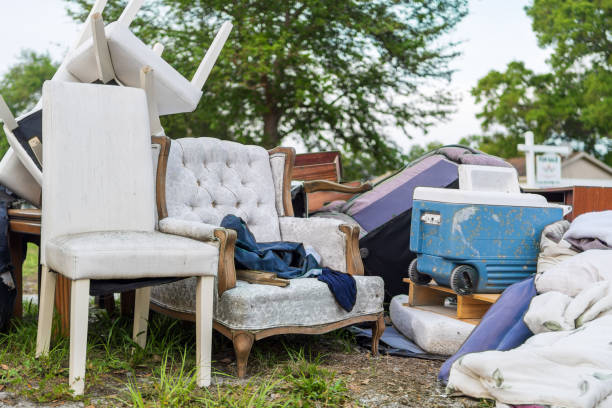
Excess junk in a retail setting can have a surprising impact on business operations, employee morale, and customer perception. Cluttered sales floors and storage areas make it difficult for staff to locate products efficiently, slowing down service and decreasing productivity. It can also create safety risks, especially when boxes or unused items block pathways or emergency exits. Customers are more likely to view a messy store as unprofessional, which can discourage repeat visits. Managing clutter isn’t just about appearance—it directly affects revenue and workplace efficiency. While residential junk removal services focus on clearing homes, similar methods can be applied in retail environments to restore order and functionality. When junk is regularly removed, staff have more room to work, displays look cleaner, and customers feel more comfortable shopping. Ultimately, keeping your retail space free from excess junk promotes a positive image, supports better workflow, and ensures a safer environment for both employees and customers.
Organizing Storage Areas Efficiently
A well-organized storage area is the backbone of any successful retail operation. When storage rooms become cluttered with unused displays, outdated inventory, or packaging waste, it creates chaos that affects your team’s ability to work efficiently. Unlike residential junk removal, which focuses on personal spaces, retail storage management requires a structured approach that supports business needs. Start by categorizing items based on priority—active inventory should be easily accessible, while seasonal or slow-moving items can be stored in designated areas. Regularly review storage areas to identify materials that can be donated, recycled, or discarded. Labeling shelves and maintaining a consistent organization system can prevent clutter from returning. Additionally, using shelving units and vertical storage solutions helps maximize space, making the area more functional. When storage is organized, staff can work faster, locate items easily, and maintain a clean, professional environment. A tidy storage area not only improves workflow but also creates a sense of order that extends to the entire retail space.
Recycling and Donating Unwanted Items
Recycling and donating are two practical ways to manage excess junk while supporting your community and protecting the environment. Many retail stores accumulate items that are still in usable condition, such as lightly damaged packaging, outdated décor, or unsold merchandise. Rather than throwing everything away, consider working with local charities, shelters, or community organizations that accept donations. Items that can’t be donated—like paper, cardboard, plastic, and metal—can often be recycled instead. Partnering with waste management companies or residential junk removal experts who handle recycling ensures that materials are processed responsibly. Recycling not only keeps waste out of landfills but can also help reduce your disposal costs over time. When customers see that your business takes sustainability seriously, it enhances your reputation and strengthens customer loyalty. Donating and recycling excess junk turns a clutter problem into an opportunity to give back, making your retail store both cleaner and more environmentally responsible.
Scheduling Regular Junk Removal Services
Regular junk removal is essential for maintaining a clean and functional retail environment. Over time, discarded displays, unused equipment, and packaging materials can build up faster than you expect. Instead of waiting for the clutter to become overwhelming, establish a routine schedule for junk removal. Partnering with professionals who specialize in residential junk removal ensures that all unwanted items are cleared out efficiently and disposed of properly. These experts can help with hauling large or bulky items that can’t be managed by store staff. A consistent removal schedule keeps storage areas open and prevents fire or tripping hazards caused by excess materials. It also allows your team to focus on sales and customer service rather than waste management. Regular cleanups promote better organization, make your retail space look more professional, and improve the overall shopping experience. By maintaining a steady junk removal routine, you create a cleaner, safer, and more productive work environment that benefits both your employees and your customers.
Maintaining a Clean Sales Floor
Your sales floor is the face of your retail business, and maintaining its cleanliness directly affects how customers perceive your brand. Cluttered aisles, dusty shelves, or scattered merchandise can create a negative impression, no matter how good your products are. Regular cleaning and decluttering should be part of your store’s routine operations. Just as residential junk removal keeps homes tidy and livable, professional junk removal for retail environments ensures that unnecessary items are quickly removed before they accumulate. Excess display materials, broken racks, and outdated promotional signs should be cleared out to maintain visual appeal. Encourage staff to clean as they go, organizing displays and returning misplaced items promptly. Investing in consistent cleaning and junk removal not only improves aesthetics but also boosts sales, as customers tend to stay longer in well-organized spaces. A clean sales floor helps your store stand out and provides a more enjoyable shopping experience that encourages repeat business.
Managing Seasonal Inventory Changes
Retail stores often experience seasonal changes in inventory that can lead to excess clutter. After holidays, promotions, or end-of-season sales, leftover merchandise and decorations can pile up quickly. Planning ahead for these transitions is key to keeping your store organized. Unlike residential junk removal, which focuses on home clutter, retail cleanup requires precise coordination to handle bulk materials efficiently. Before a new season begins, evaluate which items can be stored, donated, or discarded. Work with professional junk removal services to clear out large items that take up valuable space. Recycling old displays and responsibly disposing of damaged products prevent unnecessary buildup. Seasonal organization ensures that your store remains visually appealing, efficient, and ready for the next wave of inventory. Managing these changes consistently helps reduce waste, keeps storage manageable, and ensures your store remains flexible and responsive to new product lines throughout the year.
Improving Workplace Safety and Efficiency
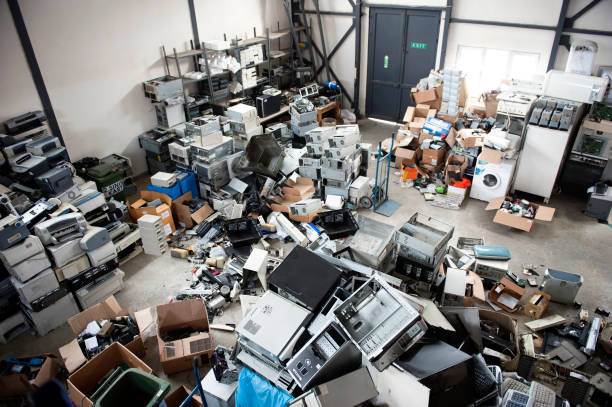
Excess junk in your retail store can pose serious safety hazards for employees and customers. Boxes left in walkways, unstable shelving, or piles of unused materials increase the risk of accidents and injuries. A cluttered workspace also slows down employees, making it harder for them to move around or access supplies. Hiring professionals experienced in residential junk removal can make the cleanup process faster and safer. By removing unnecessary items, you create a workspace that’s easier to navigate and maintain. Safety improves when employees have clear pathways and organized areas to work in. Regularly assessing the store layout and storage spaces helps identify hazards before they become problems. Clean, organized environments also contribute to higher employee morale, as staff feel more comfortable and motivated in tidy spaces. Investing time in proper junk management isn’t just about appearance—it’s about maintaining safety, efficiency, and professionalism within your business.
Creating a Long-Term Waste Management Plan
A long-term waste management plan is essential for preventing junk from accumulating again in the future. This plan should outline how waste is collected, stored, and disposed of on a regular basis. Unlike residential junk removal, retail waste management involves ongoing coordination between staff and disposal services. Start by assigning specific responsibilities to team members, such as monitoring storage areas or scheduling pickups. Keep track of how often junk accumulates and adjust your removal frequency as needed. Incorporating recycling programs, donation partnerships, and responsible disposal methods ensures sustainability over time. Establishing clear waste management protocols keeps everyone accountable and helps maintain a clean environment year-round. When your business has a plan in place, it becomes easier to stay organized, comply with local regulations, and avoid the stress of periodic deep cleanouts. A structured approach ensures your store continues operating efficiently and remains a pleasant place for customers and employees alike.
Conclusion
Managing excess junk in your retail store is about more than keeping things tidy—it’s about ensuring safety, improving efficiency, and creating a better experience for your customers and staff. By identifying the sources of clutter, organizing storage, recycling, and working with professional junk removal services, you can maintain a clean and efficient business environment. A well-maintained store not only boosts sales but also reflects professionalism and care for both your customers and employees. If your retail store in Roseville needs help with junk removal, contact Clifford’s Junk Removal. Our team provides fast, reliable, and eco-friendly services for both commercial and residential junk removal needs. We’ll help you reclaim your space and keep your business running smoothly. Call us today at 19162323588 to schedule your junk removal service and experience a cleaner, more organized retail space.