Running a restaurant or café involves more than just preparing great food and serving happy customers—it also requires maintaining a clean and organized workspace. Over time, kitchens, storage areas, and dining spaces accumulate clutter such as old appliances, damaged furniture, broken equipment, and leftover packaging materials. Without proper junk management, this buildup can affect operations, create safety hazards, and reduce available space. While many people associate residential junk removal with home cleanup, businesses in the food industry can benefit greatly from professional waste management services. Efficient junk removal keeps your establishment sanitary, improves workflow, and helps maintain compliance with health and safety regulations. Understanding how to handle restaurant and café waste efficiently can save time, lower costs, and ensure your space remains inviting for both employees and guests.
Understanding the Importance of Junk Management in Food Businesses
For restaurants and cafés, managing waste is not just a matter of cleanliness—it’s about ensuring operational efficiency and maintaining compliance with local health codes. The food industry generates a wide variety of waste, including organic materials, paper products, packaging, broken utensils, and old furniture. Unlike residential junk removal, which typically involves smaller volumes, commercial establishments deal with continuous waste generation that requires structured management. Proper junk removal prevents clutter from disrupting kitchen operations and helps staff move freely and safely. It also minimizes pest infestations that can result from accumulated garbage. A clean and organized environment boosts staff morale, enhances customer experience, and reflects positively on your brand. When junk is removed regularly, equipment maintenance becomes easier, and safety risks such as slips or fire hazards are reduced. Partnering with professional junk removal services ensures that all discarded materials are handled responsibly, whether they’re recycled, donated, or properly disposed of. Prioritizing junk management isn’t just about cleanliness—it’s a smart investment in efficiency, hygiene, and your restaurant’s long-term success.

Identifying Common Junk in Restaurants and Cafes
Restaurants and cafés produce diverse types of junk that accumulate quickly if not managed properly. Common items include broken chairs, outdated menus, packaging boxes, damaged cooking utensils, and worn-out décor. In storage areas, old inventory, expired supplies, or unused kitchen equipment often take up valuable space. Unlike residential junk removal, where most items are household-based, commercial junk in the food industry tends to be bulkier and heavier, requiring proper handling. Organic waste such as spoiled food and leftover ingredients also contribute significantly to daily clutter and can lead to unpleasant odors if not removed promptly. Identifying junk early helps prevent buildup and makes regular cleanouts more manageable. Creating a checklist of commonly discarded items can help staff stay organized and aware of when replacements or removals are needed. Separating recyclable materials, like glass bottles, aluminum cans, and cardboard boxes, from non-recyclables promotes environmental sustainability. By staying proactive in identifying and removing unnecessary items, restaurant owners can create a cleaner, safer, and more productive working environment for their staff and guests.
Setting Up a Regular Junk Removal Schedule
Consistency is key to maintaining a clean and organized restaurant or café. Setting up a regular junk removal schedule ensures that waste doesn’t accumulate to unmanageable levels. Unlike residential junk removal, which may happen occasionally, food businesses need routine pickups due to the fast-paced environment and continuous waste production. Establishing a fixed schedule helps staff stay on track and keeps kitchens and dining areas clear of clutter. For example, organic waste should be removed daily to prevent odor and pest problems, while bulky items like broken furniture or old appliances can be removed weekly or monthly. Partnering with a professional junk removal company allows for flexible scheduling that fits your business hours, minimizing disruption to operations. Additionally, assigning specific staff to monitor waste disposal ensures accountability and consistency. Regular junk removal promotes better hygiene, meets health inspection standards, and gives your establishment a cleaner, more appealing look. When you incorporate junk removal into your routine operations, it becomes a seamless part of maintaining your restaurant’s professionalism and efficiency.
Separating Recyclable and Non-Recyclable Waste
Proper waste segregation is an essential practice for restaurants and cafés aiming to manage junk efficiently. By separating recyclable materials from non-recyclables, you reduce landfill waste and contribute to a healthier environment. Common recyclable items in food establishments include glass bottles, aluminum cans, cardboard, and some plastic containers. Non-recyclable waste, such as contaminated packaging, used napkins, or certain food scraps, must be disposed of responsibly. Unlike residential junk removal, commercial waste segregation involves higher volumes and a faster turnover of materials, making organization crucial. Clearly labeled bins in strategic locations—such as kitchen areas, staff rooms, and near exits—help employees dispose of waste correctly. Regular staff training reinforces recycling habits and ensures compliance with local environmental regulations. Additionally, many junk removal companies provide separate collection options for recyclables, making it easier to manage both streams of waste efficiently. By implementing a simple yet structured waste segregation system, restaurants and cafés can minimize environmental impact, maintain cleaner premises, and improve waste management operations without adding extra workload for their staff.
Proper Disposal of Hazardous Materials
Hazardous materials are often overlooked in food establishments, but they require special handling to ensure safety. Items such as cleaning chemicals, cooking oil, grease traps, and broken glass fall under this category and must be disposed of correctly. Improper handling can result in serious health risks, environmental damage, or even fines from regulatory authorities. Unlike residential junk removal, which rarely involves hazardous substances, restaurants and cafés generate waste that may require specialized disposal services. Used cooking oil, for instance, should never be poured down drains as it can clog plumbing and damage municipal systems. Instead, it should be collected and recycled properly. Broken glass and sharp metal objects must be securely wrapped or placed in designated containers to prevent injuries. Additionally, cleaning agents and chemicals should be stored separately from food areas and disposed of following local safety guidelines. Partnering with a professional junk removal service familiar with commercial waste ensures all hazardous materials are handled responsibly. Taking the extra step to manage these substances safely helps protect your employees, customers, and the environment while maintaining your restaurant’s compliance with health and safety laws.
Managing Bulk Waste and Old Equipment
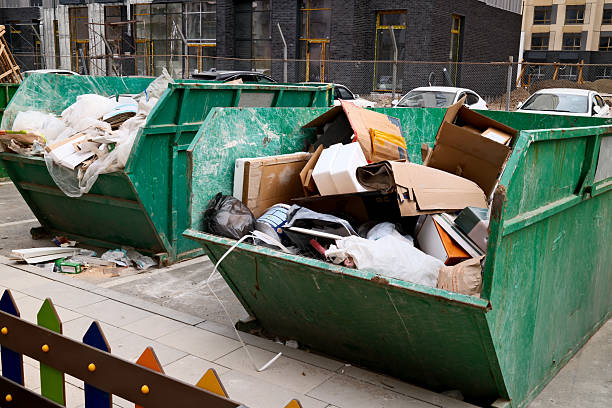
Restaurants and cafés often replace large items like refrigerators, ovens, or coffee machines as they upgrade their operations. These bulky items can quickly pile up in storage areas or behind buildings if not disposed of properly. Managing bulk waste efficiently prevents clutter and safety hazards while freeing up valuable space. Unlike residential junk removal, handling commercial equipment often requires special tools, trucks, and experienced personnel to move heavy or oversized objects safely. Don’t allow unused items to gather dust—schedule regular removal or donation to ensure your space stays functional. Many junk removal companies can recycle metal parts or repurpose working components, minimizing waste. If you’re replacing old furniture or fixtures, consider donating usable items to community centers or charities instead of sending everything to landfills. Proper disposal of bulk waste not only enhances the restaurant’s appearance but also improves workflow by removing obstacles that slow down staff movement. Keeping storage areas organized and clutter-free supports smoother operations and reinforces a culture of efficiency and cleanliness throughout your establishment.
Training Staff on Waste Management
Your employees play a vital role in keeping your restaurant or café clean and organized. Training them on proper waste management procedures is essential to maintaining consistency and safety. Unlike residential junk removal, where individuals handle their own household waste, commercial settings involve teamwork and coordination. Staff should be trained on how to identify, segregate, and properly dispose of different types of junk. This includes understanding recycling symbols, handling hazardous materials, and using designated disposal areas effectively. Providing clear instructions and periodic training sessions helps prevent mistakes that could lead to contamination or safety risks. Encourage employees to report broken equipment or cluttered areas immediately so they can be addressed promptly. Involving your staff in junk removal practices not only improves efficiency but also fosters a sense of responsibility and teamwork. When everyone understands their role in maintaining a clean space, the entire operation runs more smoothly. A well-trained team keeps your restaurant compliant with regulations and ensures that customers always enjoy a pleasant and hygienic dining experience.
Partnering with Professional Junk Removal Services
For busy restaurant owners, handling junk removal in-house can be time-consuming and labor-intensive. Partnering with a professional junk removal company offers convenience, efficiency, and peace of mind. Unlike residential junk removal, commercial services are equipped to handle large volumes, heavy items, and hazardous materials. Professional teams come prepared with the right vehicles, safety gear, and disposal methods to manage your waste responsibly. They can customize pickup schedules to fit your operating hours, minimizing disruption to your business. Additionally, professional services ensure compliance with environmental regulations by properly recycling, donating, or disposing of materials. Working with experts also saves costs in the long run by reducing the need for extra staff or unexpected repairs caused by improper disposal. A reliable junk removal partner keeps your kitchen, dining, and storage areas clutter-free, allowing you to focus on customer satisfaction. With trained professionals managing your waste efficiently, you can maintain a clean, compliant, and inviting environment that enhances your restaurant’s reputation.part of operating a successful and trusted dining establishment.
Conclusion
Efficient junk removal in restaurants and cafés is vital for maintaining cleanliness, safety, and operational excellence. From setting up regular removal schedules to training staff and partnering with professionals, each step contributes to smoother operations and a healthier environment. Incorporating responsible waste management also demonstrates your commitment to sustainability and customer satisfaction. For restaurant owners in Roseville, Clifford’s Junk Removal provides reliable, affordable, and professional services tailored to your business needs. Our team handles everything from bulk waste and kitchen equipment to recyclable materials, ensuring your establishment remains clutter-free and compliant with local regulations. Keep your restaurant running smoothly and your space spotless with expert help you can trust. Contact Clifford’s Junk Removal today at 19162323588 for fast and dependable service in Roseville. Let us take care of the mess while you focus on what matters most—delivering exceptional dining experiences.